MCP Just Went Stateless: The Biggest Spec Change Yet — and Why Your AI Tools Just Got Easier to Run

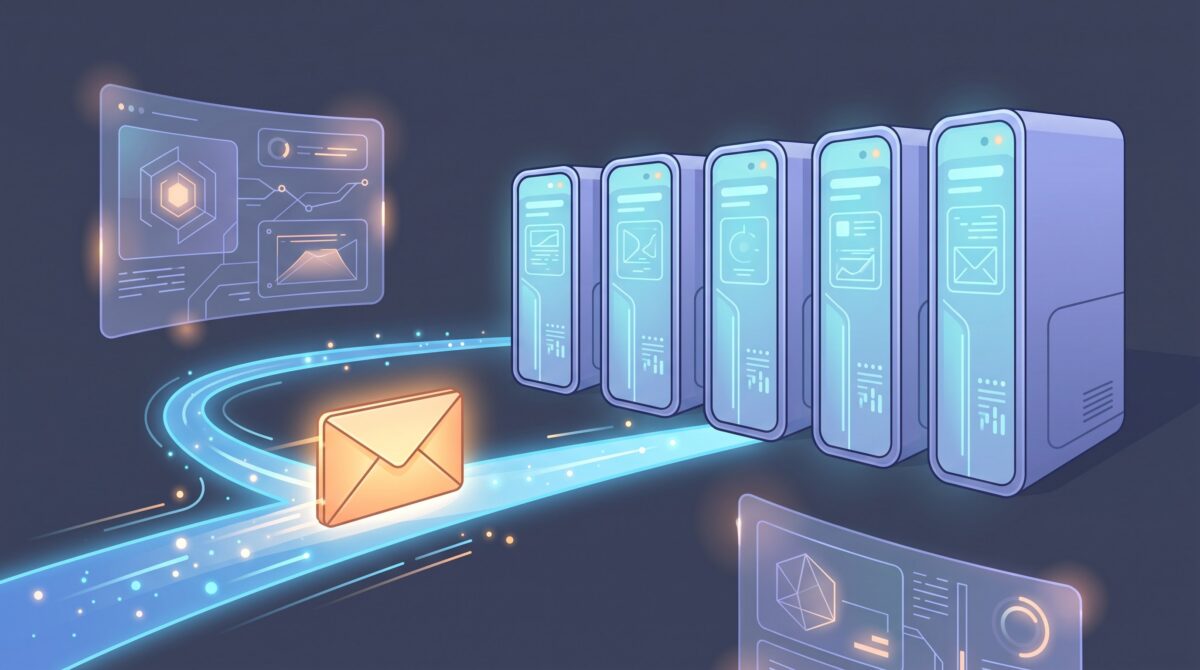
If you’ve used an AI assistant that can actually do things — search your files, hit an API, run a tool — there’s a good chance the Model Context Protocol was the plumbing underneath. MCP is the common standard that lets an AI model and an outside tool talk to each other. And it just got its biggest rewrite since it launched.
The headline change sounds almost backwards: the new spec removed sessions. The official release calls the result “a stateless protocol core.” If you’re not steeped in protocol design, that phrase does a poor job of explaining why anyone should care. So let’s translate it into plain terms — and into what it actually changes for you.
First, a one-line refresher on MCP
If this is new to you, start here: MCP is a simple, shared standard that lets AI assistants connect to tools and data without a custom integration for every single pairing. We walked through the basics in what MCP is and why it matters. The short version: instead of every app inventing its own way to expose a tool to an AI, they all speak one protocol. Build a tool once, and any MCP-aware assistant can use it.
That standardization is exactly why a change to the spec is worth paying attention to. When the shared language shifts, everything built on top of it eventually shifts too.
What “sessions” were — and why they hurt
In the older design, when your AI client connected to an MCP server over HTTP, the two sides did a little handshake first — an initialize exchange — and the server handed back a session ID (the Mcp-Session-Id header). Every follow-up request carried that ID so the server knew “oh, this is the same conversation from before.”
That sounds tidy, but it creates a quiet headache: the server now has to remember you. It’s holding state about your connection. And stateful servers are a pain to scale. If you want to run ten copies of a server behind a load balancer to handle traffic, every one of your requests has to keep landing on the same copy that remembers your session — so-called “sticky sessions.” Lose that server, lose your session.
What changed: each request now stands on its own
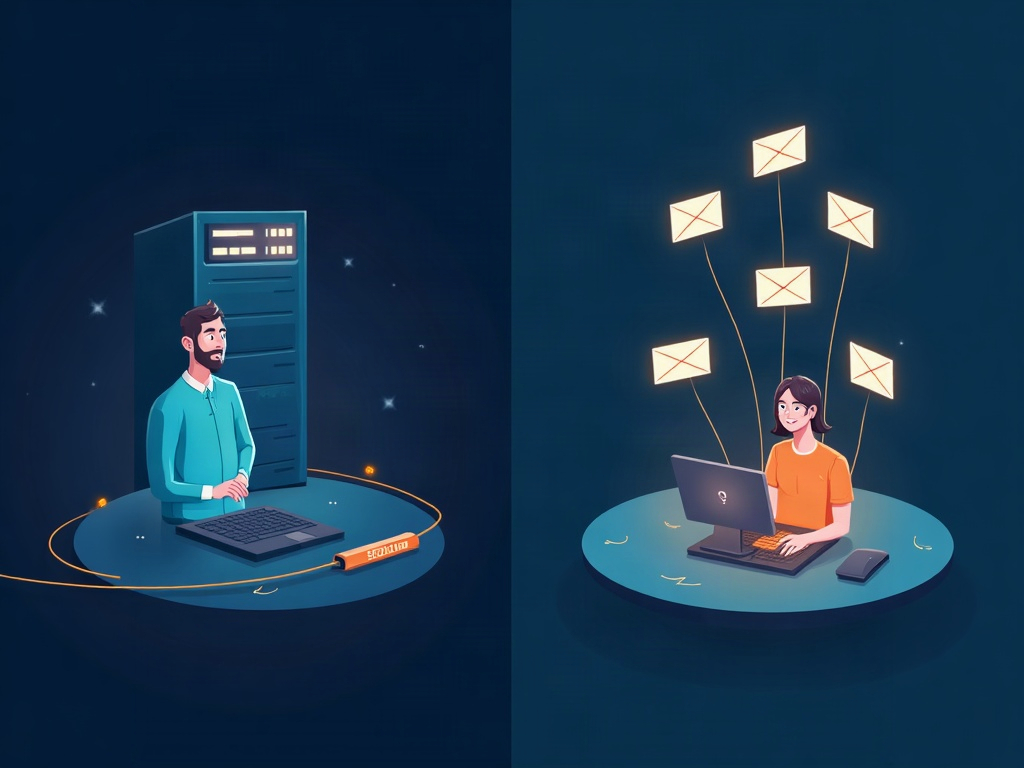
The 2026-07-28 spec threw that out. It retired the initialize handshake and removed the Mcp-Session-Id header from the Streamable HTTP transport. In the words of the spec team, “each request now travels on its own, carrying its protocol version, client identity,” and everything else it needs.
In other words, a request is now self-contained. It no longer assumes the server remembers anything from a previous call. The listing endpoints that tell an assistant what’s available — tools/list, resources/list, prompts/list — no longer vary per connection either. Ask any server instance, get the same answer.
That’s the whole meaning of “stateless”: no stored session, no memory of your last call, no sticky anything. Every message is complete in itself.
Why this is a genuinely big deal for scaling
Here’s the payoff, and it’s the real reason this matters. When requests are self-contained, any server instance can answer any request. You can put a plain, ordinary HTTP load balancer in front of a fleet of identical MCP servers and let it spread traffic however it likes. No sticky sessions, no coordination layer, no shared session store.
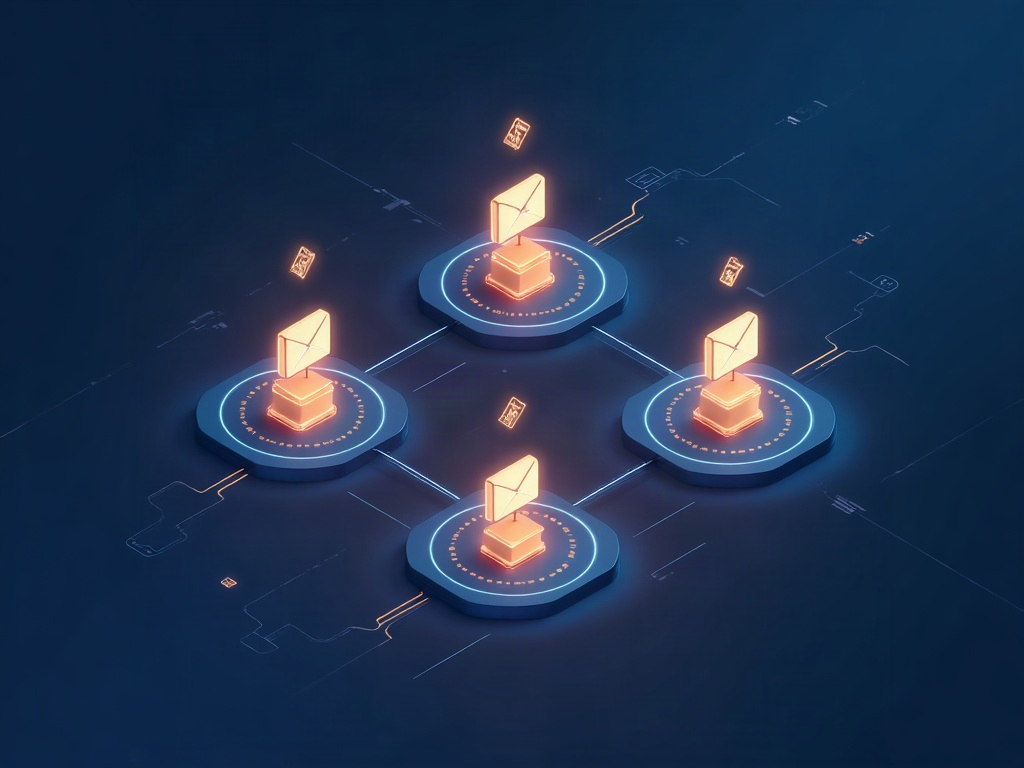
This is the same architectural move that made ordinary web backends easy to scale years ago: keep the servers stateless, and you can add or remove copies freely. For MCP, it means a popular tool server can handle real load without exotic infrastructure — which matters a lot as AI assistants start making tool calls by the thousand. If you’ve ever worried about the headaches of self-hosting your own AI tools, this removes one of the gnarlier ones: you no longer have to engineer around session affinity.
The catch: you won’t feel it until your tools update
Now the honest part. A spec is just a document. The change only reaches you when the software development kits (SDKs) and tools you actually use adopt it — and that’s a gradual rollout, not a flip of a switch.
That adoption is happening right now, which is why this is suddenly in the news again months after the spec was published. The SDKs are catching up: the Ruby SDK, for example, only recently shipped full support for the 2026-07-28 spec, and sensibly serves the new stateless lifecycle alongside the classic session handshake for backward compatibility. Expect most mature SDKs to do the same — support both, so older servers and clients keep working while the ecosystem migrates.
So if you’re just a user of AI tools, you don’t need to do anything. Your assistant’s tool connections will quietly get more robust as the tools behind them update. If you’re building or running MCP servers, this is your cue to check your SDK version and plan to move to the stateless model — ideally while still accepting the old one during the transition.
What to actually do about it
Depending on where you sit, here’s the practical takeaway:
- If you just use AI tools: nothing to do. Know that “stateless MCP” is a reliability upgrade happening under the hood, and that flaky tool connections should get a little less flaky over time.
- If you build MCP servers: update to an SDK that supports the 2026-07-28 spec, design your request handlers to be self-contained, and keep backward compatibility with the session handshake until your clients have moved.
- If you self-host AI infrastructure: this is the green light to run MCP servers behind a normal load balancer without session affinity. Simpler ops, cleaner scaling.
- If you’re choosing tools: don’t over-index on any single vendor’s implementation. A flexible, multi-tool AI stack rides out protocol churn like this far better than an all-eggs-one-basket setup.
The takeaway
It’s a little ironic that the biggest MCP upgrade yet is defined by something it removed. But that’s often how good infrastructure evolves: the best change is the one that deletes a source of complexity. By dropping sessions and making every request self-contained, MCP traded a small convenience for a large payoff — tool servers that are dramatically easier to scale, run, and keep alive. You probably won’t notice the day it lands in your tools. You’ll just notice, over time, that the AI tools worth using got a bit sturdier. That’s exactly the kind of plumbing upgrade that earns its keep.
Sources & further reading:
- Key Changes — Model Context Protocol (2026-07-28 changelog)
- The 2026-07-28 Specification — Model Context Protocol Blog
- MCP Specification Version Timeline — hidekazu-konishi.com
Related Reading
- What Is MCP? The Simple Standard Letting Your AI Assistant Actually Do Things
- Model Fatigue Is Real: How to Stop Chasing Every AI Release and Just Get Work Done
- OpenAI Dots: What These New Always-On AI Agents Actually Do for You