Cursor 3: The AI Coding Revolution That Puts All Your Agents in One Place

The coding world just got a massive upgrade. Cursor 3 dropped on April 2nd, and it’s completely redefining how we work with AI to build software. If you’ve been struggling to keep track of multiple AI coding assistants or jumping between different tools, this release changes everything.
What Makes Cursor 3 Different
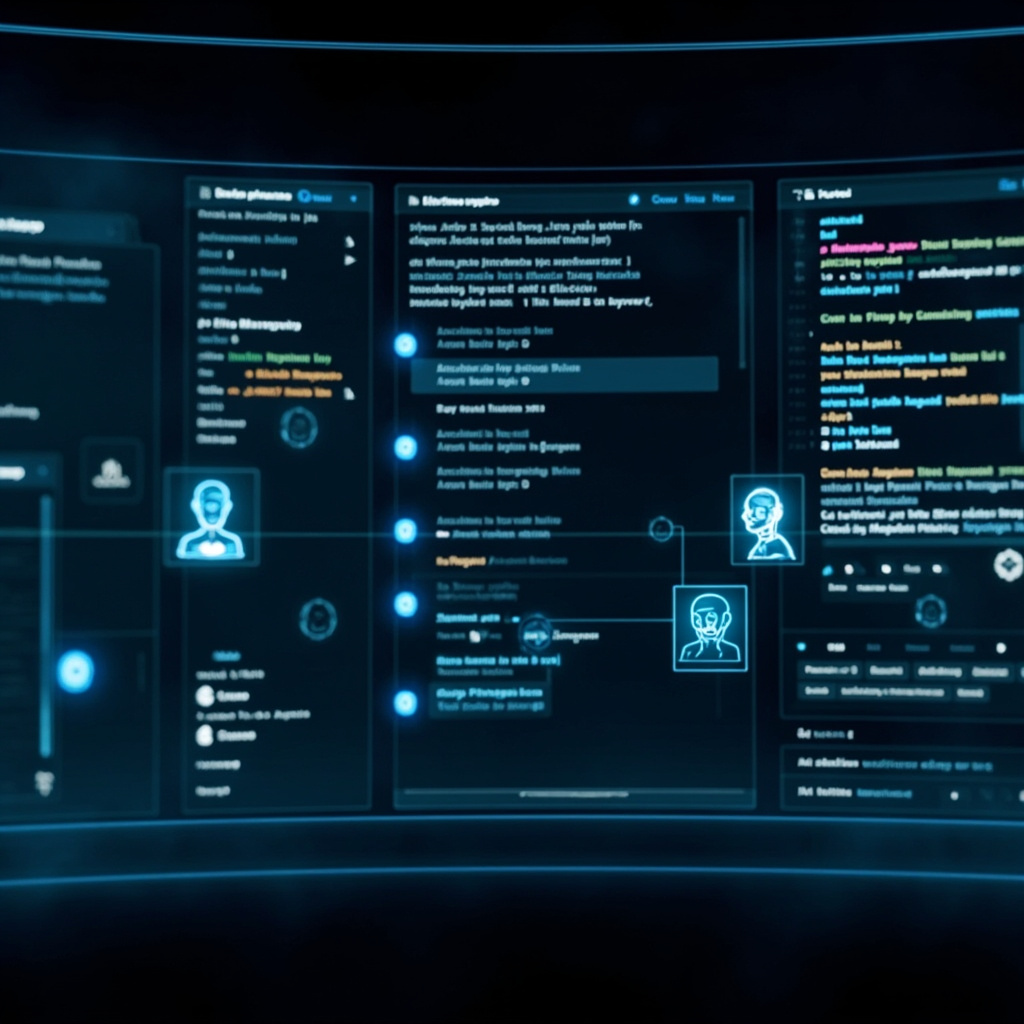
Unlike other AI coding tools that bolt features onto existing editors, Cursor 3 was built from scratch around one core idea: agents should work together, not in isolation. The new interface creates a unified workspace where all your AI assistants live in one place.
Here’s what that looks like in practice. Instead of opening multiple tabs, terminals, and windows to manage different AI tasks, you get a single sidebar showing every agent you’re running—whether they’re working locally on your machine or in the cloud. It’s like having a mission control center for your AI coding team.
Run Multiple Agents Without Going Crazy

The biggest game-changer is parallel agent execution. You can now run multiple AI coding agents simultaneously without losing track of what each one is doing. One agent might be writing unit tests while another refactors your API endpoints and a third handles documentation updates.
Cloud agents even produce real-time demos and screenshots of their work, so you can verify progress without interrupting the process. It’s the same experience you get on cursor.com/agents, but now integrated directly into your desktop workflow.
Seamless Cloud and Local Handoffs
Here’s where Cursor 3 gets really smart about resource management. Start an agent in the cloud for heavy lifting, then instantly move that session to your local machine when you want hands-on control. The handoff is immediate—no context lost, no starting over.
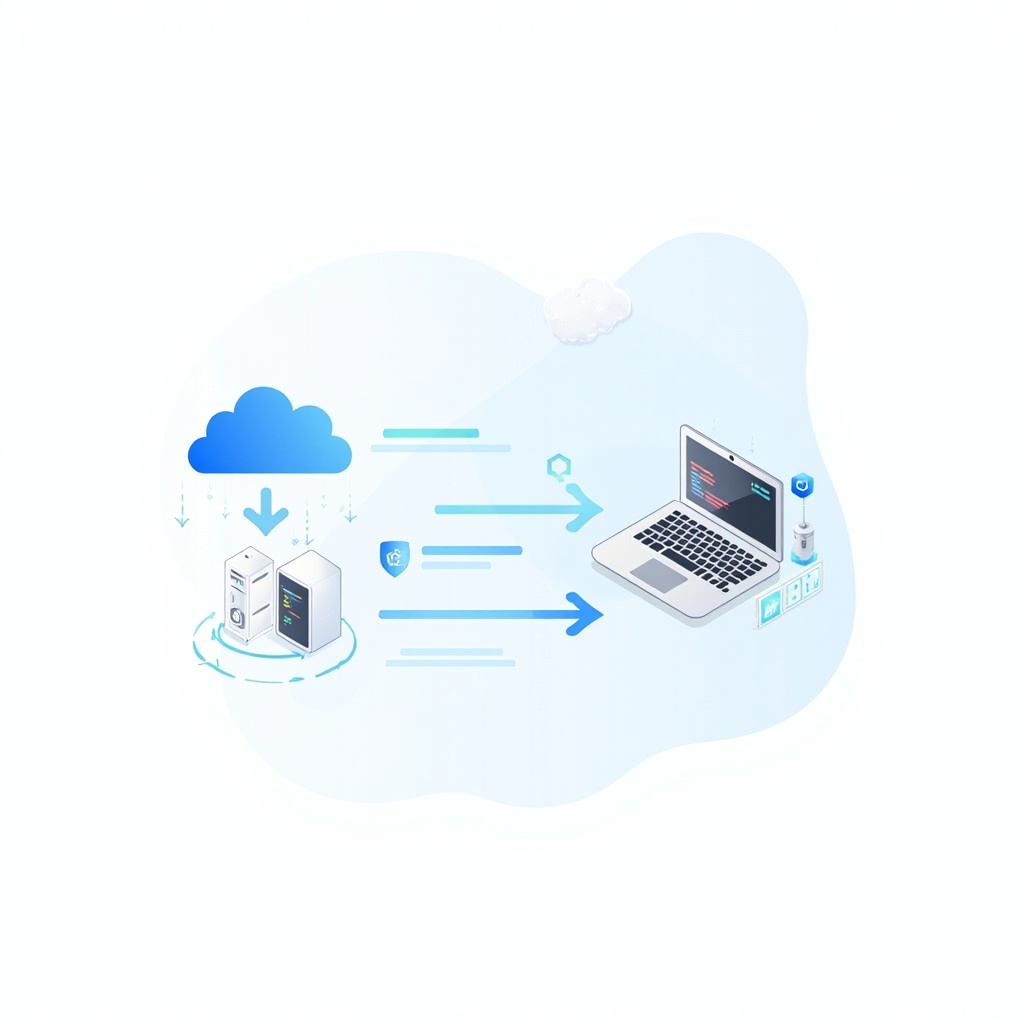
Going the other direction works just as well. Kick off a long-running task locally, then push it to the cloud so it keeps working while you step away or move to another project. It’s like having the best of both worlds without the usual friction.
Multi-Repo Support That Actually Works
If you work across multiple codebases (and who doesn’t these days?), Cursor 3’s multi-repo layout is a revelation. Agents can work across different repositories simultaneously, understanding dependencies and connections between projects that would normally require manual coordination.
This isn’t just convenient—it opens up entirely new workflows. Imagine an agent updating your API while another automatically adjusts the client code in a separate repo. That’s the kind of cross-project intelligence that wasn’t practical before.
The Bigger Picture: Software Development’s Third Era
Cursor’s team frames this as entering the “third era” of software development. First, we coded everything by hand. Then, we got tools and frameworks that accelerated manual coding. Now, we’re moving into an era where fleets of autonomous agents handle most of the heavy lifting.
Cursor 3 is designed for this future. While current AI coding tools still require constant micromanagement, this interface pulls you up to a higher level of abstraction. You’re orchestrating agents rather than babysitting individual tasks.
Should You Make the Switch?
If you’re already using AI for coding, Cursor 3 addresses the biggest pain points: agent management, context switching, and resource coordination. The learning curve is minimal if you’re familiar with modern IDEs, but the productivity gains are substantial.
For teams, the multi-repo and cloud/local flexibility make coordination much smoother. Individual developers benefit from the parallel execution and unified interface, especially on complex projects where multiple AI tasks need to run simultaneously.
The tool is free for individual use with usage limits, or you can upgrade for higher limits and team features. Given the productivity boost most users report, it’s worth testing on a side project to see how it fits your workflow.
Cursor 3 represents a significant step toward truly collaborative human-AI development. If you’ve been waiting for AI coding tools to mature beyond simple autocomplete, this is that moment.