Even Daily AI Users Are Worried: What the Numbers Say — and How to Use AI Without the Dread


Here’s a number that should make the whole “AI adoption is soaring, so everyone must love it” narrative wobble: about 68% of Americans who use AI every day say the technology worries them. Not the skeptics on the sidelines — the daily users. The people typing prompts into a chatbot every morning are, by and large, uneasy about the thing they just opened.
That finding comes from a large new global survey conducted by Gallup and commissioned by Microsoft, reported by TechCrunch in September 2026. And if you’ve felt that quiet tug of “this is genuinely useful… but should I be nervous?” — you are extremely normal. Let’s look at what the data actually says, and then at the practical habits that let you get the upside without carrying around a low-grade sense of dread.

The headline: using AI daily doesn’t mean trusting it
The Gallup study currently reports results from 37 countries, polling roughly 1,000 people in each between April and July 2026, with plans to eventually span 140 countries. (Notably, some huge AI-using populations — India among them — aren’t in the reported results yet, so read the global picture as a work in progress.)
The core result is blunt: daily use and comfort are two different things. About 68% of U.S. daily users are worried, and concern runs even higher among people who use AI less often. In other words, familiarity isn’t melting the anxiety away the way boosters assumed it would. People can find a tool handy and still be wary of where it’s all heading.
What people are actually worried about
“Worried” is vague on its own, so it helps to name the specific anxieties that keep surfacing in surveys like this one and in Pew Research Center’s 2026 work:
- Jobs. This is the big one, especially for younger adults. A wave of layoffs tied to AI investment, shrinking entry-level openings, and public warnings from AI executives about mass job disruption have made “will this replace me?” a mainstream question, not a sci-fi one.
- Accuracy and misinformation. Anyone who’s caught a chatbot confidently inventing a fact knows the feeling. If you can’t fully trust the answer, every answer carries a small tax of double-checking.
- Control and privacy. As AI reaches deeper into email, calendars, payments, and health, the “how much of my life is this thing touching?” worry grows right alongside the convenience.
These aren’t irrational. They’re the sensible questions of someone paying attention — which, it turns out, is most people.
Why the US is the anxious outlier
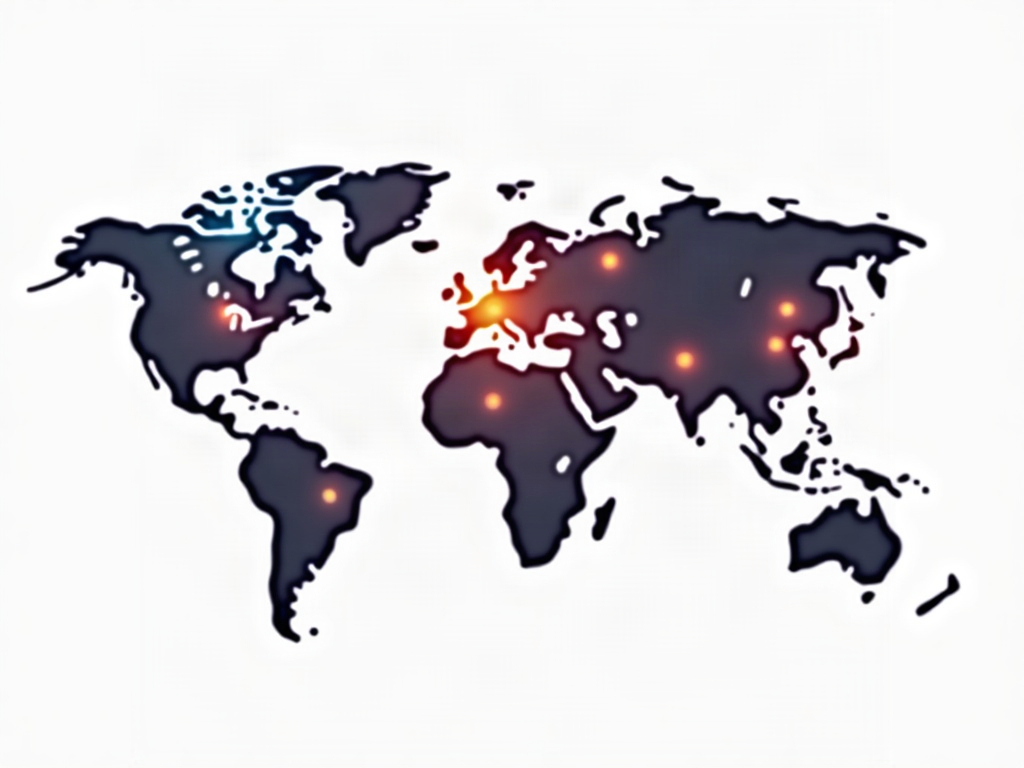
One of the most striking parts of the survey is how much the mood changes by country. The United States sits at the anxious end of the chart: 74% of Americans reported feelings of worry, and only 36% expect AI to mostly help the country. Canada looked similar — 64% of Canadians aware of AI said it worried them.
Now flip to the other side of the world. In Singapore, which had the highest share of daily users in the study (46%), more than 80% expect AI to improve their everyday lives and 77% think it’ll help the country. China (35% daily use) and Israel skewed optimistic too. Same technology, wildly different emotional response — shaped by local job markets, media narratives, and how much the tech feels like something happening with people versus to them.
Worry isn’t the same as distrust — and both show up
There’s a subtle but important second layer here: feeling optimistic about AI and trusting it to be accurate are not the same thing. Gallup found that daily users were generally more trusting of AI’s results — but even that trust is shaky. In the U.S., only 45% of daily users expressed real confidence in the output, and across all the countries surveyed, a median of just 36% said they trust AI.
That’s actually a healthy signal. The people using these tools most are also the ones who’ve seen them slip up — so they verify instead of swallowing every answer whole. Skepticism born of experience beats either blind faith or blanket rejection.
How to use AI without the low-grade dread
You don’t have to choose between “ignore AI entirely” and “hand it the keys to your life.” The daily users who seem calmest aren’t the most trusting — they’re the most deliberate. A few habits do most of the work:
- Treat output as a strong first draft, never a final answer. For anything that matters — a medical question, a legal detail, a number you’ll act on — verify against a real source. Our guide to getting a better AI answer every time walks through how to prompt so you catch errors faster.
- Match the tool to the task. You don’t need the biggest, most expensive model for a grocery list. Knowing when a fast, cheap model is the smarter pick keeps you in control of cost and expectations.
- Keep sensitive data on a need-to-know basis. Don’t paste passwords, full account numbers, or other people’s private details into a chatbot. Convenience is not worth a leak.
- Build real skills, not just AI dependence. If the job worry is what’s gnawing at you, the antidote is becoming the person who uses AI well rather than the person it replaces — which is also exactly how to handle an AI-led job interview when you hit one.
The bigger picture: your skepticism is a feature
It’s tempting to read “68% are worried” as a doom headline. It isn’t. A population that uses a powerful new technology and keeps asking hard questions about it is behaving exactly the way you’d want. For comparison, Pew found that 52% of Americans are now more concerned than excited about AI in daily life — up from 37% in 2021 — even as usage climbs. Both numbers are rising together, and that’s fine.
The healthiest stance isn’t blind trust or blanket fear. It’s staying in the driver’s seat: use the tools, enjoy the genuine time they save, and never outsource your judgment to them. The worry, channeled well, is just your judgment doing its job.
Frequently asked questions
What percentage of daily AI users are worried about it?
According to a 2026 Gallup survey commissioned by Microsoft, about 68% of Americans who use AI daily said the technology worries them. Concern was even higher among people who use AI less frequently.
Which countries are most worried about AI?
Western countries led in anxiety. The U.S. was the most worried — 74% reported feelings of worry and only 36% expected AI to mostly help the country — with Canada close behind. In contrast, Singapore, China, and Israel skewed strongly optimistic about AI’s benefits.
Does using AI more make people trust it more?
Somewhat. Daily users were generally more trusting of AI’s accuracy than occasional users, but even their confidence was limited — only 45% of U.S. daily users expressed real confidence in the results, and a global median of just 36% said they trust AI overall.
How can I use AI without constant anxiety about it?
Be deliberate rather than either dismissive or over-trusting: treat AI output as a first draft you verify, keep sensitive data out of chatbots, match the tool to the task, and keep building your own skills so AI amplifies your judgment instead of replacing it.
Sources & further reading:
- Even Americans who use AI every day are worried about it (TechCrunch)
- Young US adults are increasingly wary of AI, concerned it will take jobs (Pew Research Center)
Related Reading
- The AI Industry Just Called for a Slowdown on Itself: What ‘Pacing the Frontier’ Means for You
- 84% of Developers Use AI Coding Tools — But Only 29% Trust Them. Here’s How to Close That Gap
- AI Agents Are Finally Going Mainstream: Your Personal Productivity Revolution Starts Now