Your AI’s Words Now Carry an Invisible Signature: What Claude’s Text Watermarking Means for You

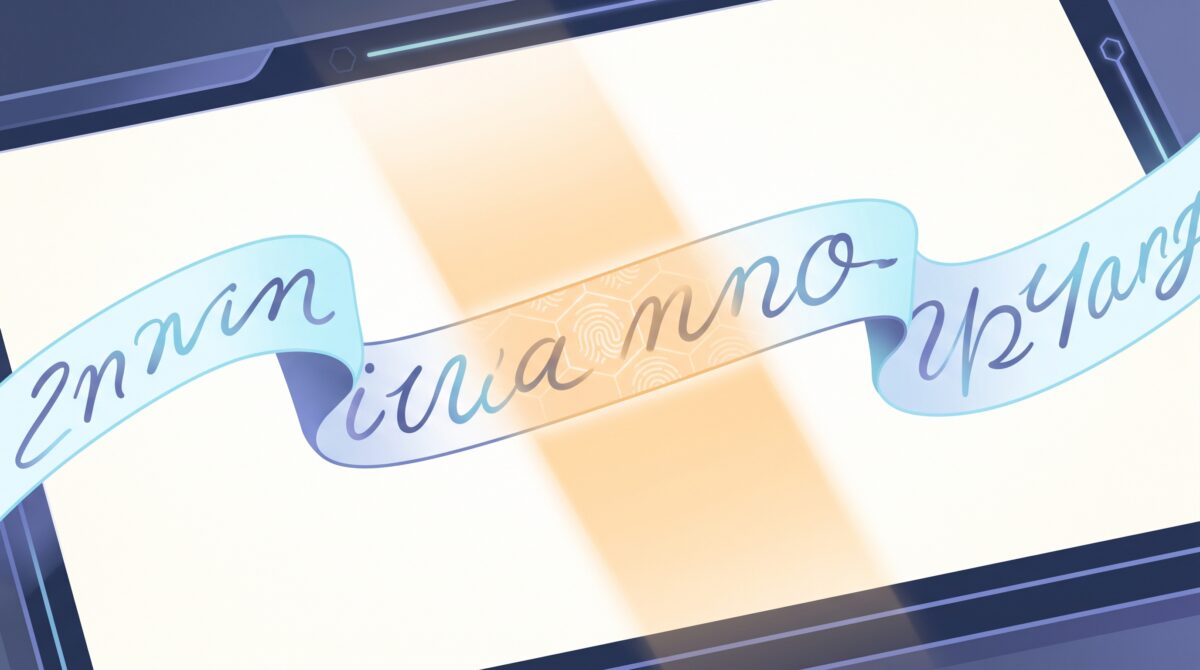
Starting now, when you ask Claude to write something, the words come with a hidden extra: an invisible signature stitched into the text itself. You can’t see it. Your reader can’t see it. But a machine can — and it’s designed to stay put even after the text is copied, pasted, and shuffled around. Anthropic, the company behind Claude, announced the change this week, and it quietly rewrites one of the assumptions a lot of people have been leaning on: that AI writing is untraceable once it leaves the chat window.
If your gut reaction is a flicker of nerves — wait, is my stuff being tagged? — that’s the right question to ask. But the honest answer is more nuanced, and more interesting, than the scary version. Here’s what the watermark actually is, what it can and can’t tell, and how to think about it if AI is now part of how you write.
What Anthropic is actually doing
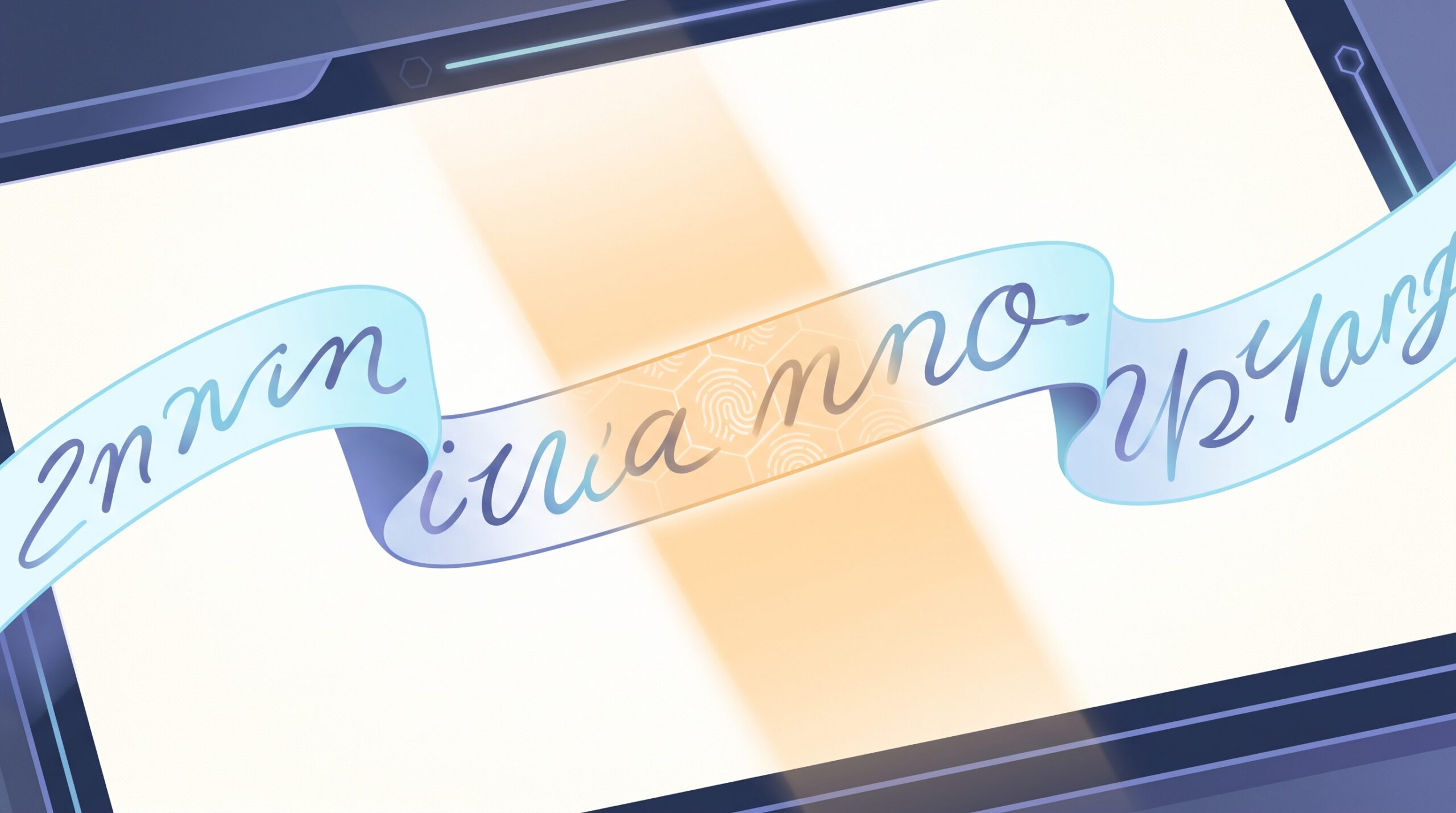
The plan is straightforward to describe. Every Claude model released after August 2, 2026 now embeds an imperceptible pattern directly into the text it generates — a statistical fingerprint spread across the words that a reader will never notice but a detector can pick out. Anthropic says it will extend the same treatment to its older models over time. For images and files, it’s using a separate open standard called C2PA (think of it as tamper-evident “content credentials” attached to a file), while the text mark lives inside the writing itself.
Because it’s applied at the model level, the mark shows up everywhere Claude does — the chat app, the API that powers other products, Claude Code, the works. It doesn’t matter which app you’re using; if a post-August-2 Claude wrote the words, the signature is in there.
Why now? A European law with a global reach
This isn’t Anthropic getting philosophical on its own. It’s compliance. The European Union’s AI Act includes a transparency rule — the Transparency Code, in force as of August 2, 2026 — that requires AI providers to mark content their models generate so it can be identified as machine-made. That’s the trigger.
Here’s the part that affects you even if you’ve never set foot in Europe: Anthropic is applying the marking worldwide, not just to EU users. It’s simpler to build one honest pipeline than to maintain a marked version for Europe and an unmarked one for everyone else. So a rule written in Brussels quietly becomes the default for a writer in Toronto, Texas, or Tokyo. This is a pattern worth noticing — the same way privacy pop-ups born from EU law ended up on every website on Earth.
The crucial catch: it proves processing, not authorship
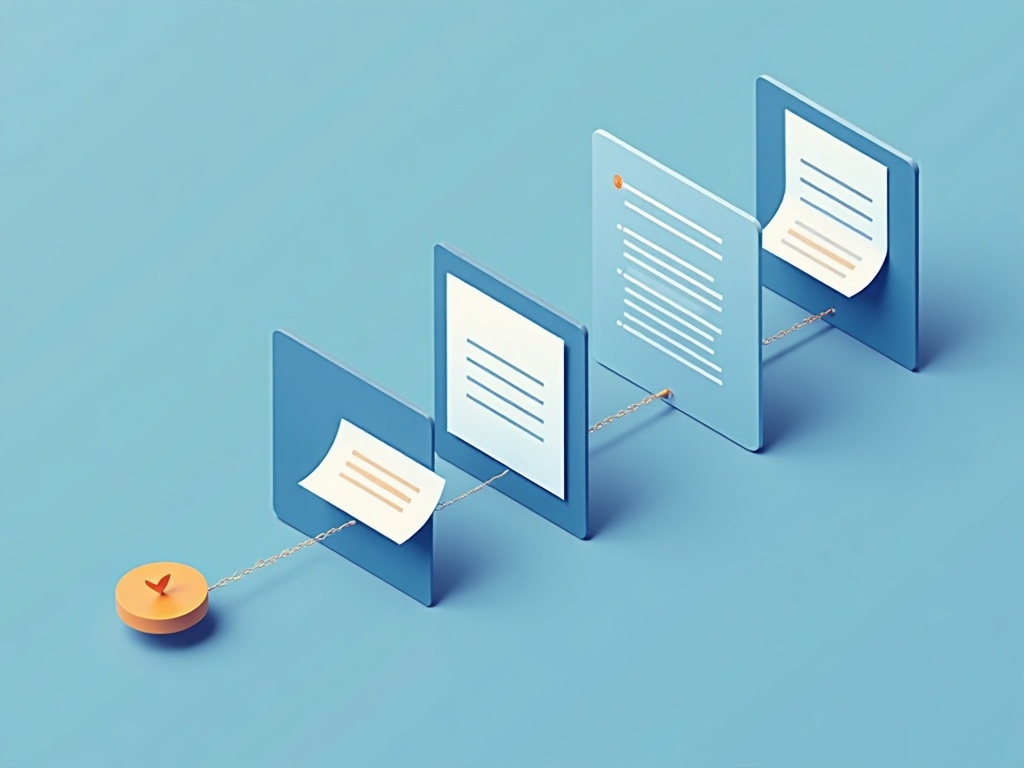
This is the nuance almost every hot take misses, and it’s the one that actually matters for real people. A detected watermark tells you that a Claude model produced or handled the text — not that a human didn’t do the real thinking.
Picture the most ordinary AI-writing habit there is: you write a paragraph yourself, paste it into Claude, and ask it to tighten the grammar or smooth the flow. The polished version that comes back carries the mark — even though the ideas, the argument, and most of the words are yours. The signature says “Claude touched this,” full stop. It can’t distinguish between “the AI wrote my essay for me” and “I wrote it and the AI fixed my commas.”
That distinction is going to matter enormously as schools, editors, and employers start reaching for detection. A mark is a starting point for a conversation, not a verdict. Anyone treating a positive result as proof of cheating is misreading what the technology can actually establish — a trap worth understanding before you’re on the wrong end of it.
And it’s not bulletproof
The watermark is clever, but Anthropic is refreshingly upfront that it’s not perfect. Two limits stand out. First, it can fade in short snippets — a single sentence often doesn’t carry enough of the pattern to be detected. Second, it can wash out under heavy editing: rewrite enough of the text by hand and the fingerprint degrades. Even Anthropic acknowledges it’s not clear exactly how much editing it takes to scrub the mark entirely.
So this is not the infallible AI-detector some people fear and others wish for. It’s more like a watermark on a banknote: strong evidence when it’s clearly there, and simply absent — not proof of anything — when it isn’t. Combine that with the fact that the earlier generation of “AI detector” tools has a notorious history of false positives, flagging everything from the U.S. Constitution to non-native English writing as machine-made, and you get a clear takeaway: absence of a watermark proves nothing, and its presence proves less than people will assume.
Is this a good thing? Mostly, yes
It’s easy to frame any tracking as creepy, but step back and the case for provenance is strong. The internet is drowning in unlabeled synthetic text, and a reliable way to tell machine-made from human-made helps everyone: it makes it harder to pass off a flood of fake reviews or propaganda as genuine voices, it gives platforms a tool against spam, and it lets honest creators prove their work is human when that matters.
There’s also a quiet signal in the fact that Anthropic announced this openly and named its own limitations out loud. As we’ve pointed out before, a company willing to document uncomfortable truths about its own technology is one you can actually reason about. Transparency you can inspect beats a black box that promises you everything is fine.
What to actually do about it
You don’t need to change much. You need to change your posture.
1. Assume AI-assisted text is now traceable. The era of quietly passing off Claude’s output as your own from-scratch work is closing. Plan as if any Claude-written text could later be identified as such, because increasingly it can.
2. Disclose instead of hide. In most contexts — work, school, publishing — the winning move was never secrecy anyway. “I drafted this with AI and edited it heavily” is a perfectly respectable sentence, and it’s a lot better than getting caught pretending otherwise. If your process is honest, a watermark is a non-event.
3. Know the rules where it counts. If you’re a student or you write professionally, find out your institution’s or client’s actual policy on AI assistance now, not after a detector pings. Many allow AI editing while forbidding AI authorship — exactly the line the watermark can’t draw for you.
4. Keep your receipts. If you write something yourself and only use AI to polish it, hang on to your drafts and version history. Should a mark ever be held against you, your own trail of work is the evidence that you did the thinking. This is one more reason to use AI as a genuine collaborator rather than a ghostwriter you’re hoping no one notices.

The bottom line
Invisible watermarks on AI text sound like the end of something — the quiet death of getting away with it. In a small way they are. But they’re also the start of something healthier: a web where you can actually tell what a machine made, and where using AI in the open costs you nothing because you were never hiding it.
The tool in your hands hasn’t gotten weaker — Claude writes exactly as well today as it did last week. What’s changed is that its fingerprints now come along for the ride. Treat that as a nudge toward the way you should have been working all along: let AI amplify what you bring, put your name on the parts that are genuinely yours, and stop treating disclosure like a confession. Do that, and an invisible signature on your drafts is nothing to fear. It’s just the truth, quietly telling itself.
Sources & further reading:
- Anthropic says it will watermark text generated by its AI models — TechCrunch
- Anthropic to start watermarking Claude-generated text, images — SiliconANGLE
- EU compliance, delivered globally: Anthropic to watermark Claude’s output worldwide — Euronews
Related Reading
- AI Watermarks Are Vanishing: How to Actually Tell if an Image or Video Is AI-Generated
- Your AI Coding Assistant Can Be Tricked: The GhostApproval Flaw and How to Code Safely with AI
- Claude Opus 5 Is Here — What Anthropic’s New Model Means for You