How to Use AI to Spot Scams Before They Get You: A Practical Guide

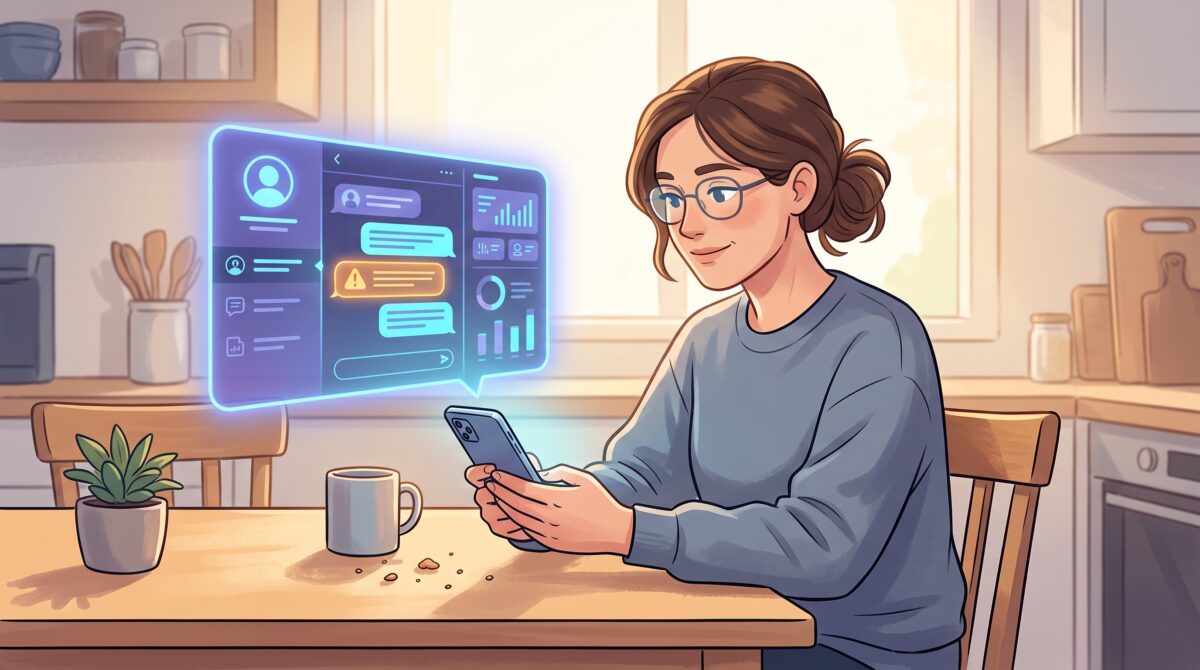
Here’s the uncomfortable truth about scams in 2026: the old advice doesn’t work anymore. “Watch for bad grammar and spelling” was solid guidance for a decade, but a scammer with a chatbot now writes flawless, personalized, perfectly-punctuated messages in any language, in seconds. The typos that used to give them away are gone. Worse, the same technology can clone a loved one’s voice from a few seconds of audio, or generate a video of a “CEO” asking you to wire money.
But this cuts both ways. The AI in your pocket is just as happy to work for you as against you. Below is a practical playbook for turning a chatbot into your personal scam-checker — plus the handful of low-tech habits that no deepfake, no matter how good, can ever beat.
Why scams suddenly got so convincing
For years, the friction that protected us was effort. A convincing scam took a human hours to research and write, and it still usually read a little “off.” Generative AI collapsed that cost to almost nothing. A single operator can now spin up thousands of tailored messages, translate them natively, and even hold a real-time conversation through a chatbot.
Voice is the scary frontier. Consumer-grade tools can mimic a voice from a short clip pulled off social media, which is why the “grandchild in trouble” call now sounds heartbreakingly real. The lesson isn’t to panic — it’s to stop trusting the surface. If polish and a familiar voice can be faked, they can no longer be your evidence. What you verify, and how, is what matters now.
The red flags AI can’t hide
Deepfakes can fake a face and a voice, but they can’t change the underlying structure of a scam. Almost every fraud, no matter how sophisticated, needs the same three ingredients — and those are still dead giveaways:
Urgency. “Act in the next 30 minutes or the account closes.” Real institutions give you time; scammers manufacture a ticking clock so you don’t stop to think. Secrecy. “Don’t tell anyone,” “don’t hang up,” “the bank can’t know.” Isolation is a control tactic — the moment you ask someone else, the spell breaks. An unusual payment. Gift cards, crypto, wire transfers, or “move your money to a safe account.” No legitimate agency will ever ask for those. When you see any two of these three together, treat it as a scam until proven otherwise, regardless of how real the person sounds. This is the same skepticism worth applying to anything an AI itself confidently tells you — verify before you trust.
Turn your AI into a scam-checker
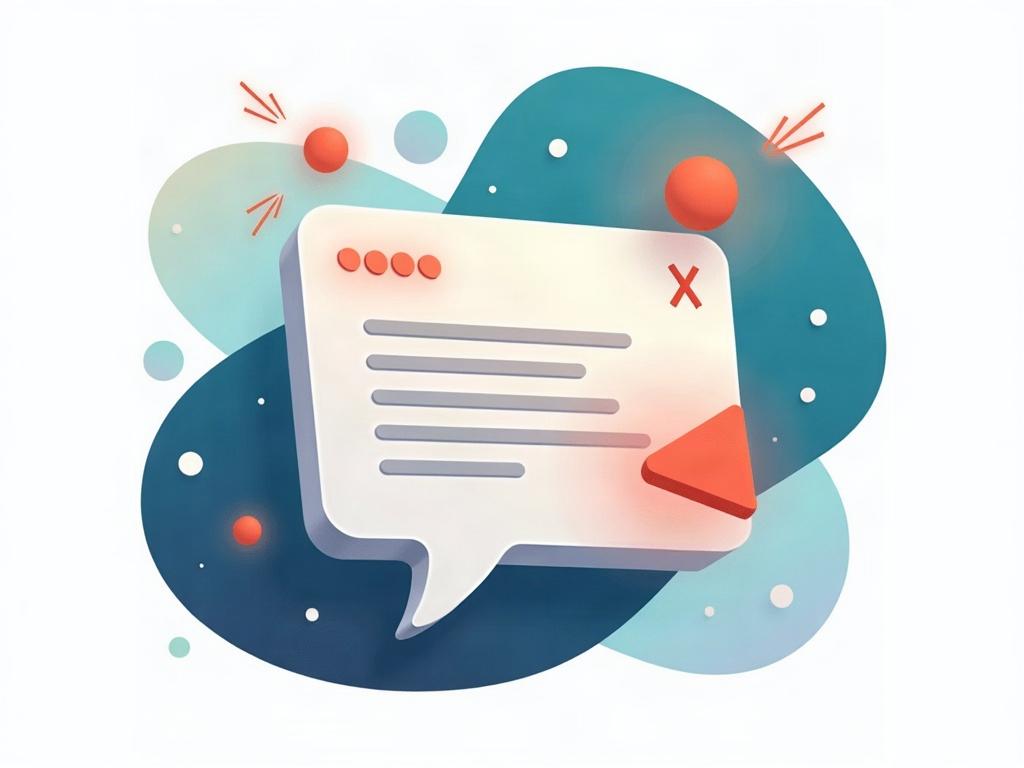
When a message makes you uneasy, don’t reply to it — interrogate it. Open whichever AI assistant you’ve settled on, paste in the full text of the email or message (strip out any personal details you don’t want to share), and use a prompt like this:
“I received this message and I’m not sure if it’s a scam. Analyze it for common fraud and phishing tactics. Point out any urgency, pressure, secrecy, or unusual payment requests. Check whether the sender, links, or phone numbers look legitimate, and tell me the safe way to verify the claim independently. Rate how suspicious it is and explain why.”
An AI is genuinely good at this. It spots the mismatched sender domain, the link that looks like your bank but isn’t, the emotional manipulation you were too rattled to notice. Crucially, it never feels rushed or embarrassed — so you can ask the “dumb” question you’d be too proud to ask a person. Just remember the golden rule: the AI’s read is a second opinion, not permission. It should slow you down and point you toward independent verification, never replace it.
The 10-second habits that beat any deepfake
Here is the single most powerful move in this entire article, and it requires no technology at all: hang up and call back on a number you already trust. If “your bank” calls, hang up and dial the number on the back of your card. If your “child” calls in a panic, hang up and call their real phone. A scammer controls the channel they contacted you on; they can’t control the one you initiate. This one habit defeats nearly every voice-cloning and imposter scheme in existence.
Second, set up a family code word — a random word or phrase that only your inner circle knows. If someone calls claiming to be a relative in an emergency, ask for the word. A voice clone can copy your daughter’s voice perfectly, but it has no idea that your family’s safe word is “purple tractor.” It’s free, it takes one conversation to set up, and it is the closest thing there is to a silver bullet for the fake-emergency call.

Spotting fake images, voices, and video
Sometimes the scam is the media — a fake profile photo, a doctored screenshot, a “proof” video. AI-generated images are getting harder to catch, but tells remain: check hands and fingers, teeth, jewelry, and text in the background, which generators still mangle. On a suspicious profile, do a reverse image search to see if the photo was stolen from someone else.
For voice and video, look for the seams: audio that’s oddly flat or perfectly noise-free, lips that don’t quite sync, lighting that doesn’t match, or a person who won’t do something spontaneous on a live call (turn their head, wave a hand). The industry is also building the other side of this — tools that cryptographically prove a photo or video is authentic. As those spread, “can you verify this was captured on a real camera?” becomes a fair question to ask.
Lock the doors before the scam arrives
The best scam defense is making a successful scam useless. Turn on two-factor authentication — better yet, passkeys — on your email, bank, and social accounts, so a stolen password alone can’t get anyone in. Use a password manager so every login is unique, meaning one breach can’t unlock your whole life. Freeze your credit if you’re not actively borrowing. And quietly reduce the raw material scammers feed on: the more voice clips, photos, and personal details you post publicly, the more convincing an impersonation of you becomes.

None of this requires you to become a security expert or to fear every notification. It requires one mental shift: in a world where anything on a screen can be faked, trust the process, not the polish. Slow down when someone rushes you. Verify on a channel you chose. Ask your AI to play skeptic, and ask a human to sanity-check you. The scammers got a powerful new tool this year — but so did you, and yours is pointed the right way. Use it, share these habits with the people you love, and you turn the whole trick on its head.
Sources & further reading:
Related Reading
- How to Spot AI Hallucinations: A Practical Fact-Checking Routine for ChatGPT, Claude, and Gemini
- Your AI Coding Assistant Can Be Tricked: The GhostApproval Flaw and How to Code Safely with AI
- The Hidden Text That Can Hijack Your AI Assistant — And How to Stay Safe