The No-Code Revolution: How AI Tools Are Making Everyone a Developer in 2026


The barriers between having an idea and turning it into a working digital product have never been lower. In February 2026, we’re witnessing something remarkable: people with zero programming experience are building sophisticated apps, websites, and digital tools that would have required months of development work just a few years ago.
This isn’t just about drag-and-drop website builders anymore. We’re talking about AI-powered platforms that understand natural language and transform your descriptions into fully functional software. The no-code revolution has evolved into something far more powerful than anyone anticipated.
The Game-Changing Tools Making Everyone a Developer
Leading this transformation are platforms that have redefined what it means to “code.” Take Lovable, which has become the poster child of conversational development. Instead of wrestling with syntax and frameworks, you simply describe what you want: “Create a productivity app that tracks my daily habits with a clean, minimalist interface and progress charts.”
Within minutes, Lovable generates not just a prototype, but production-ready code complete with responsive design, user authentication, and database integration. The MIT Technology Review recently highlighted how tools like this are creating a new category of “citizen developers” – ordinary people who can now build the digital solutions they’ve always envisioned.
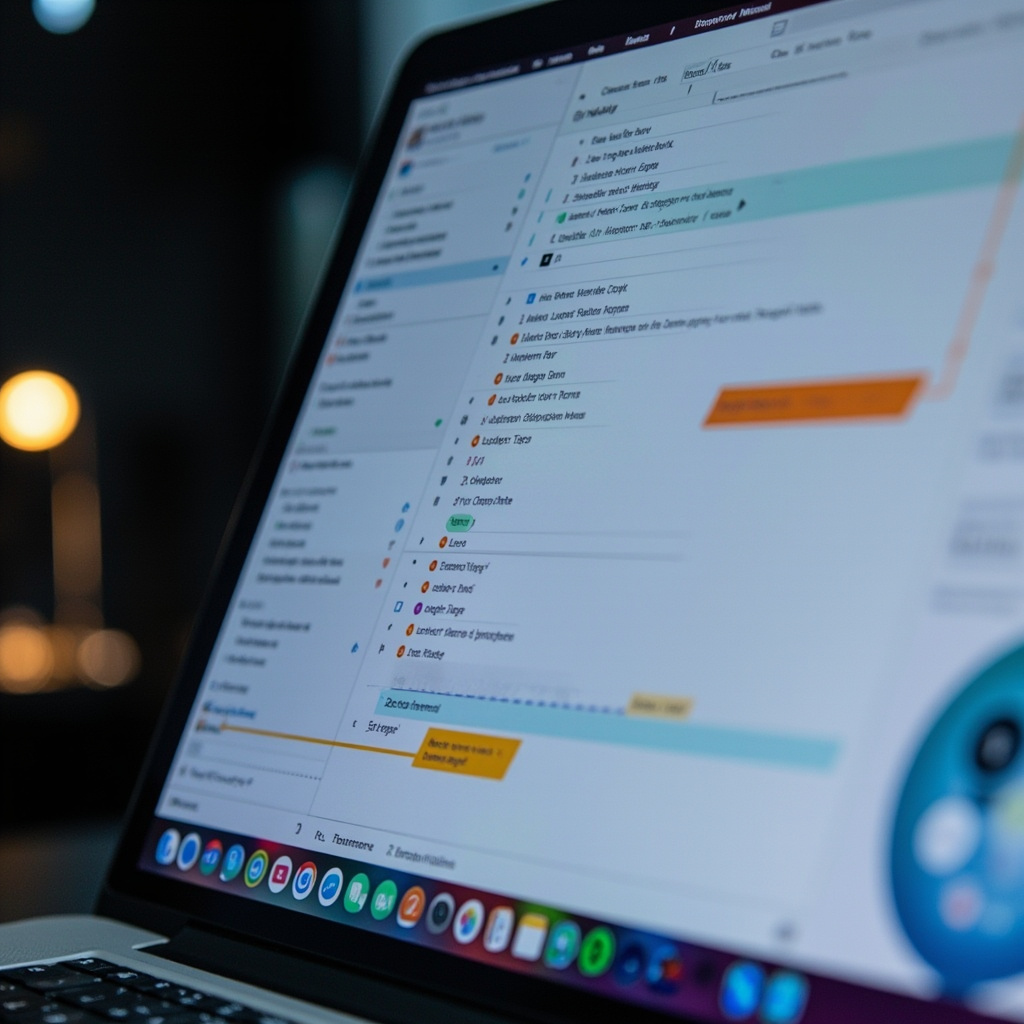
But Lovable isn’t alone in this space. GitHub Copilot has evolved far beyond code completion, now offering full project scaffolding and architectural suggestions. Cursor provides an AI-powered coding environment that feels more like having a conversation with an expert developer than traditional programming.
Meanwhile, Replit has transformed into a complete development ecosystem where you can go from idea to deployed application without ever leaving your browser. These tools aren’t just making coding easier – they’re making it accessible to people who never thought they could create software.
Real People, Real Results
The proof isn’t in the marketing materials – it’s in what everyday users are actually building. Sarah Chen, a marketing manager from Portland, used Lovable to create a client project management system that her agency now uses daily. “I described exactly what frustrated me about our current tools, and within an hour I had something that worked better than expensive software we’d been paying for,” she explains.
Teachers are building custom classroom management tools. Small business owners are creating inventory systems tailored to their exact needs. Parents are making family organization apps that actually fit their household routines. The common thread? None of these creators considered themselves “technical” people.
The Technical Magic Behind the Simplicity
What makes these tools so powerful isn’t just their user interfaces – it’s the sophisticated AI models trained on millions of lines of code and thousands of software patterns. When you tell Lovable to “add a feature that sends email reminders,” it doesn’t just generate random code. It understands software architecture, security best practices, and user experience principles.
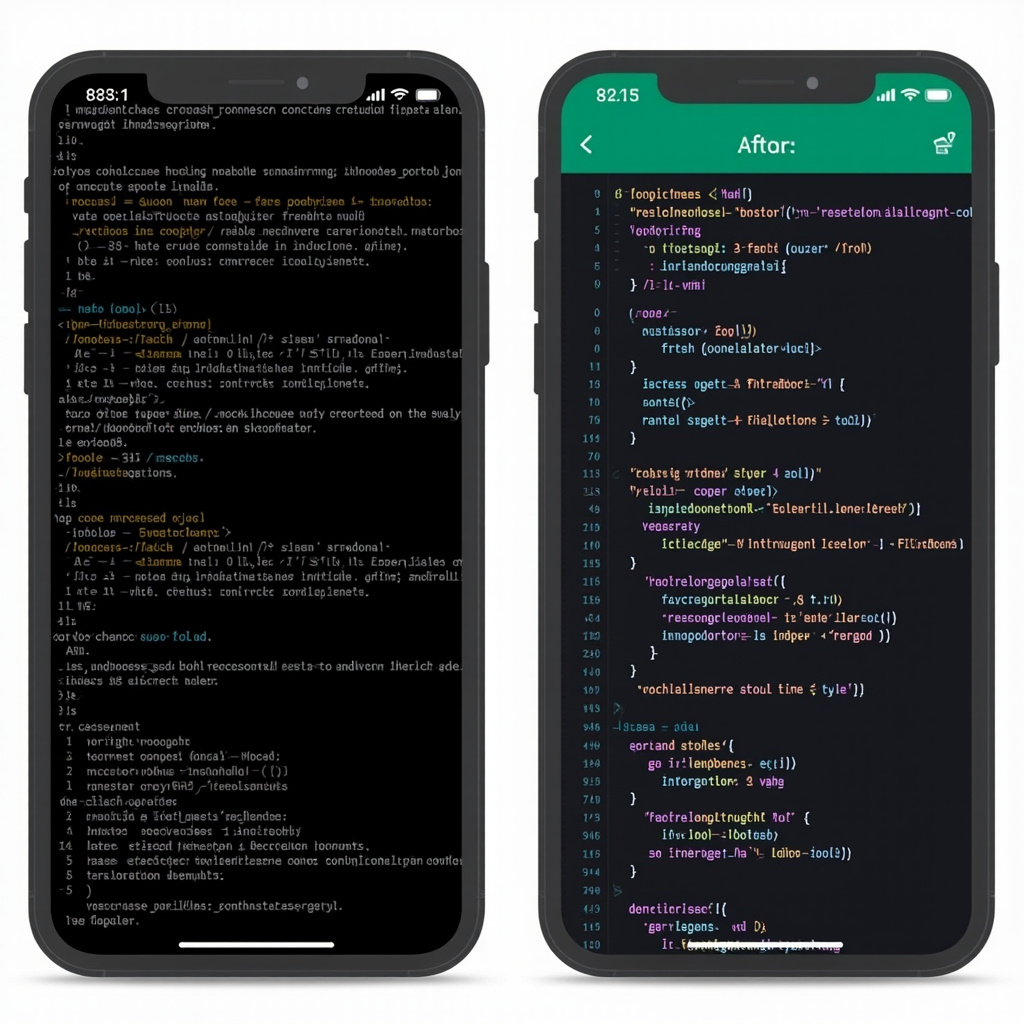
These platforms use advanced reasoning models, including OpenAI’s GPT-5.2 series and Anthropic’s Claude Opus 4.6, which have dramatically reduced the hallucination rates that plagued earlier AI coding assistants. The result is generated code that’s not just functional, but follows industry standards and best practices.
The Productivity Revolution
Recent research indicates that workers using generative AI tools report genuine productivity boosts of up to 40%. But the real revolution isn’t just about doing existing work faster – it’s about enabling entirely new forms of productivity.
Consider the small restaurant owner who can now create a custom ordering system that integrates with their specific workflow, or the fitness instructor who builds a client progress tracking app tailored to their training methodology. These aren’t generic solutions adapted to their needs – they’re purpose-built tools that fit like a glove.
Beyond Individual Projects
The ripple effects extend beyond individual productivity. Companies are discovering that employees who can rapidly prototype and build tools are more innovative and engaged. Teams are solving their own workflow problems instead of waiting for IT departments or external vendors.
This democratization of software development is creating what economists call “micro-innovation” – thousands of small improvements and custom solutions that collectively drive significant economic value. When everyone can build digital tools, the pace of innovation accelerates dramatically.
What This Means for You
If you’ve ever thought “I wish there was an app that…” or “Why doesn’t this software do…” – 2026 might be the year you stop wishing and start building. The learning curve isn’t what it used to be. You don’t need to understand variables, functions, or databases. You just need to clearly articulate what you want.
Start simple: think about a repetitive task in your daily routine that could be automated, or a piece of information you wish you could organize better. Try describing it to one of these platforms. You might be surprised at what you can create.
The no-code revolution isn’t coming – it’s here. The question isn’t whether these tools will change how we work and solve problems. The question is whether you’ll be part of the transformation or watching it happen from the sidelines.
The barrier between having an idea and making it real has never been thinner. In 2026, your imagination might be the only limit to what you can build.