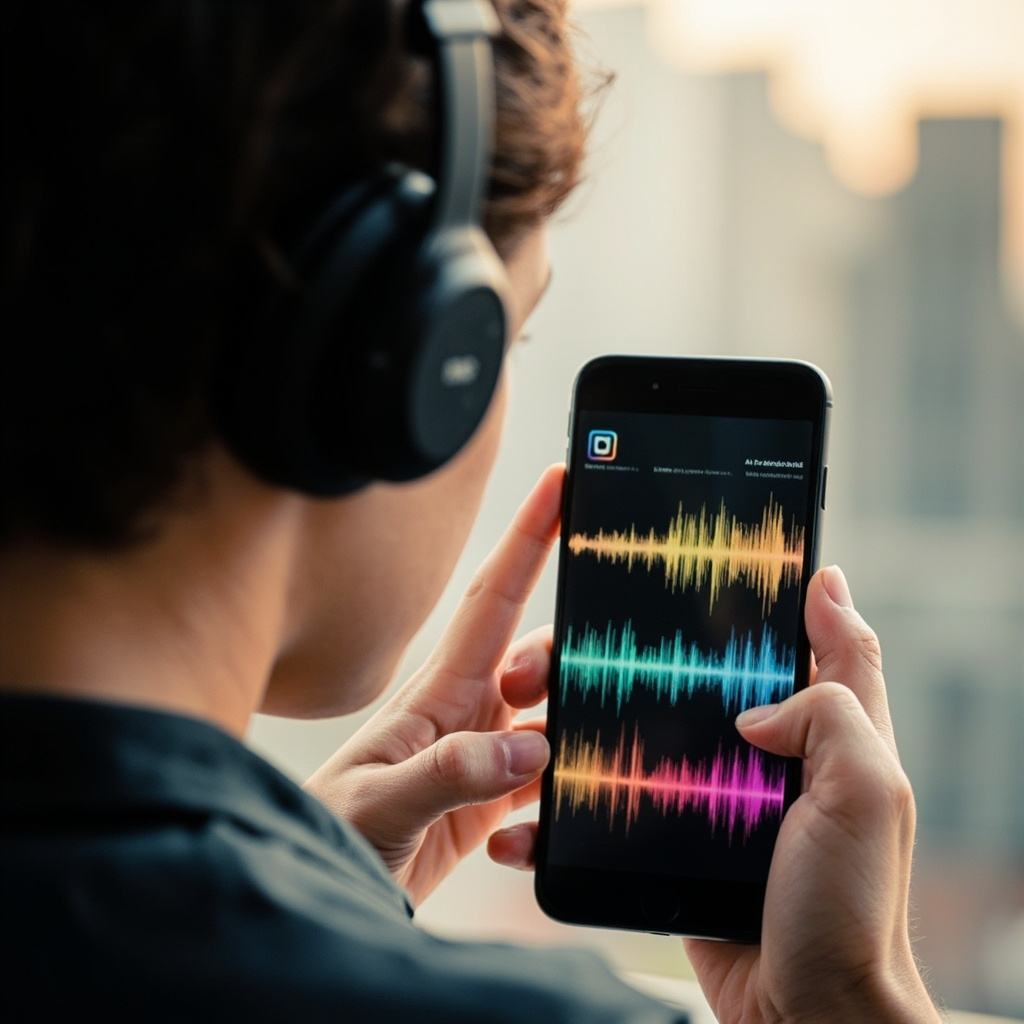
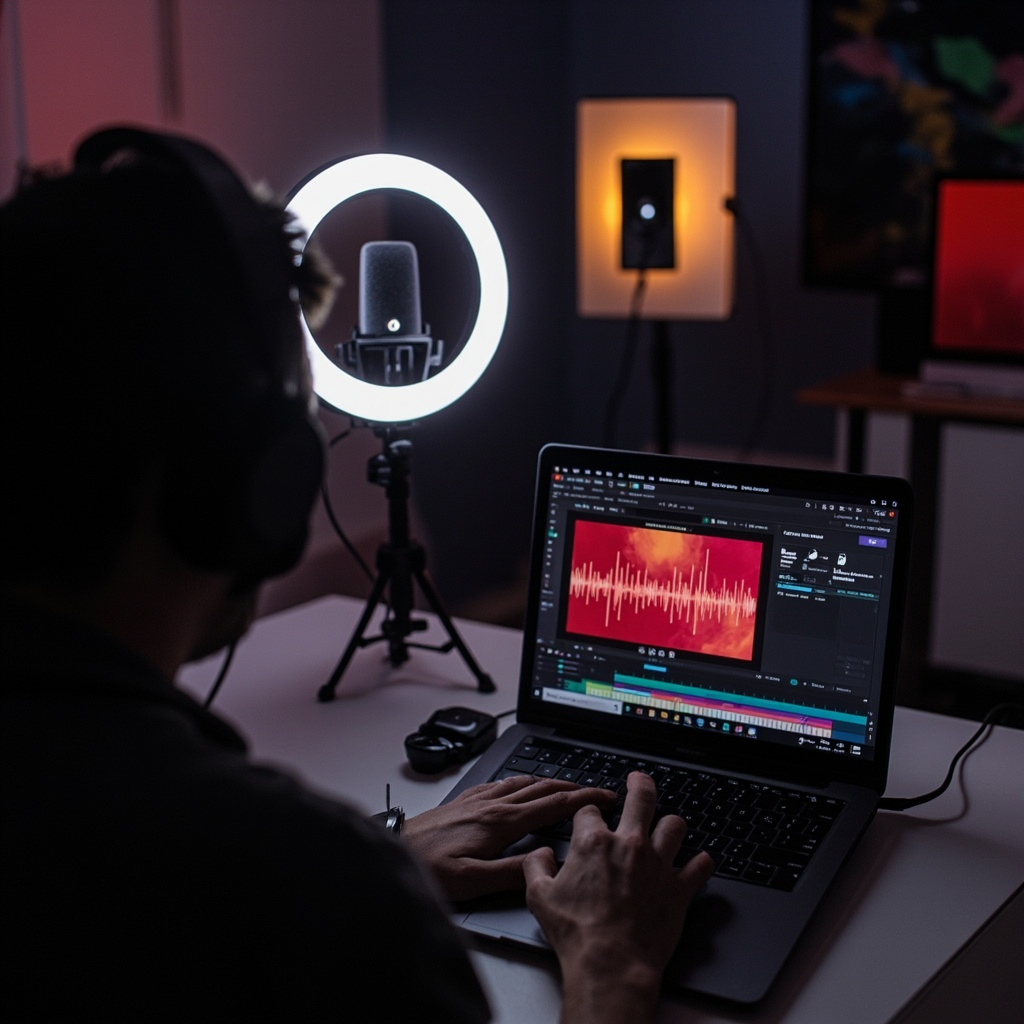
Voice Cloning Revolution: 7 AI Tools That Let Anyone Clone Voices in Under 10 Minutes

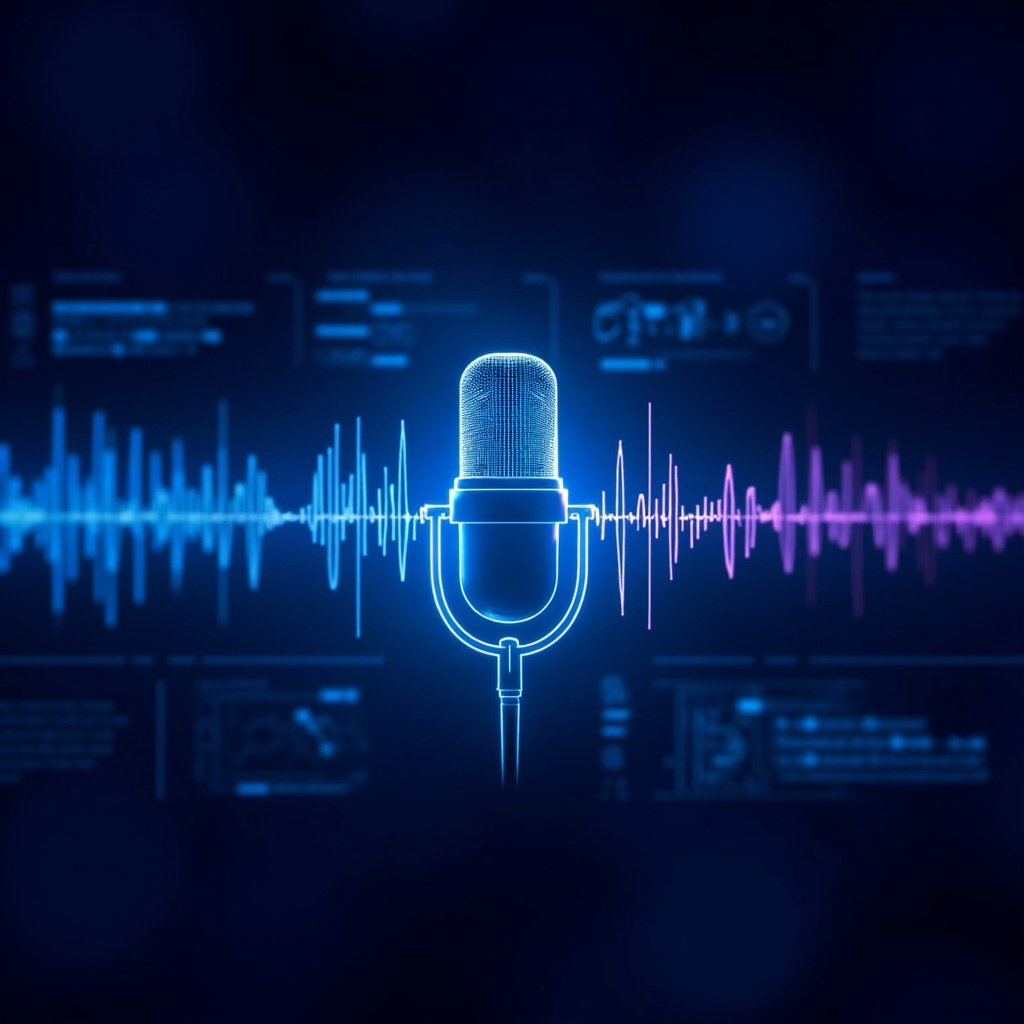
Voice cloning technology has exploded in 2026, transforming from a complex, expensive process into something anyone can do with just a few minutes of audio. Whether you’re a content creator, business owner, or just curious about AI, these cutting-edge voice synthesis tools are making personalized audio more accessible than ever.
The Voice Cloning Revolution
Just a year ago, creating a convincing voice clone required hours of professional recording and thousands of dollars. Now, breakthrough models like Fish Speech V1.5 and XTTS-v2 can clone your voice with as little as 6 seconds of audio across 17 languages. This isn’t science fiction—it’s happening right now, and the results are remarkably convincing.
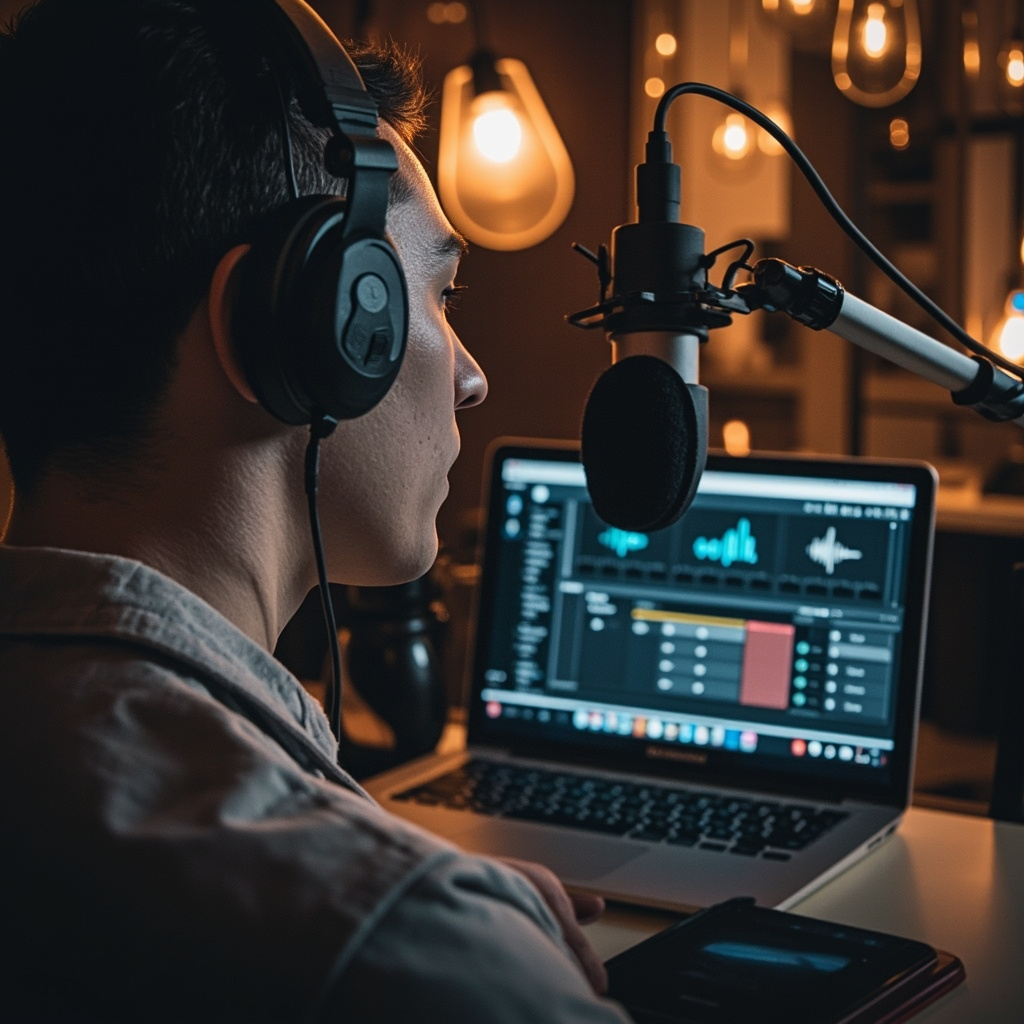
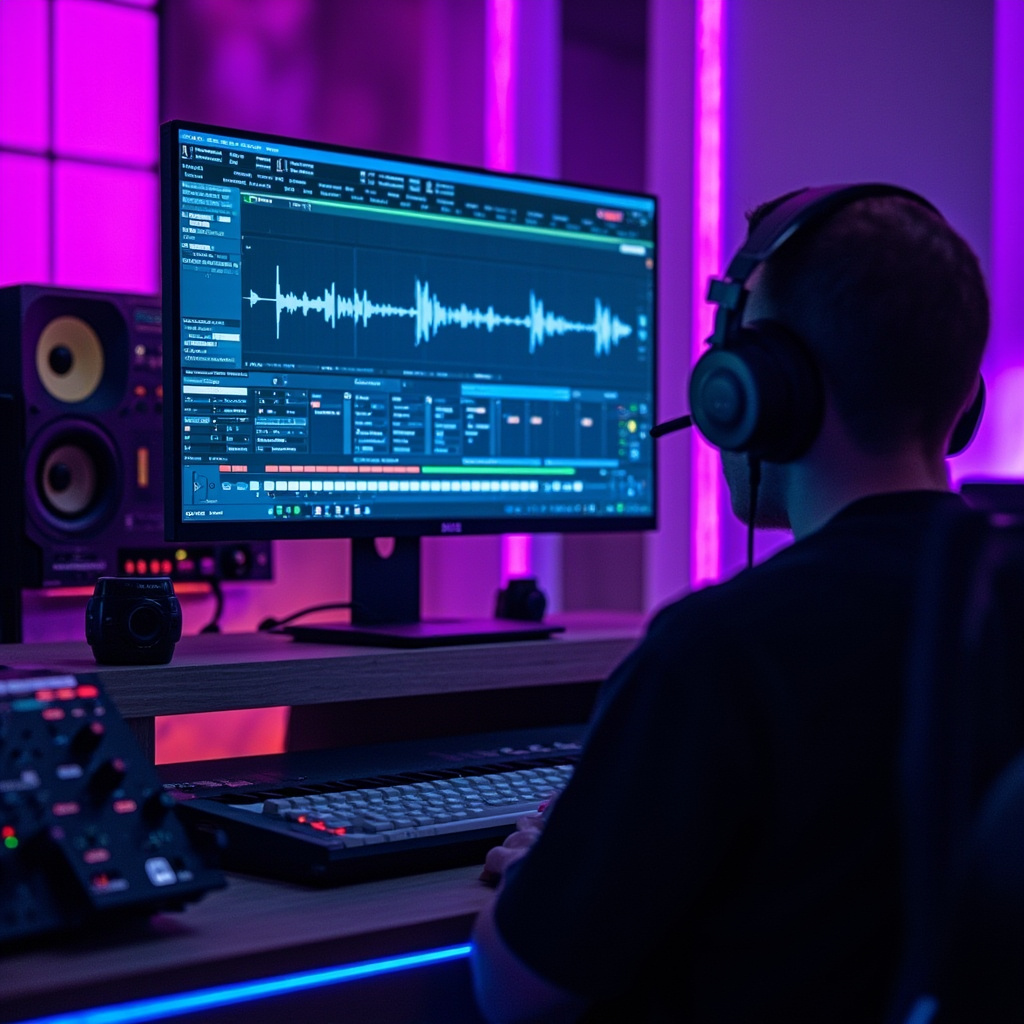
The technology behind modern voice cloning uses advanced neural networks that analyze unique vocal characteristics including tone, pitch, accent, speaking patterns, and emotional inflection. These AI models then generate new speech that maintains the speaker’s distinctive voice while saying completely new words and sentences.
Top Voice Cloning Tools for Everyday Users
ElevenLabs
Leading the consumer market, ElevenLabs offers studio-quality voice cloning with remarkable emotion control. Their platform supports over 70 languages and provides both instant voice cloning and professional voice design tools. The free tier gives you enough credits to experiment, while paid plans unlock commercial usage rights.
Fish Audio
Fish Audio has become the go-to platform for creators seeking professional-grade text-to-speech with voice cloning capabilities. Their Fish Speech V1.5 model delivers exceptional quality with minimal input requirements, supporting 8 languages with over 2 million pre-built voices in their library.
Uberduck
Known for making voice synthesis accessible to everyone, Uberduck offers free AI voice cloning alongside their extensive library of celebrity and character voices. Their user-friendly interface makes it perfect for beginners who want to experiment without technical complexity.
Open Source Powerhouses
The open-source community has made tremendous strides in 2026, with several models now rivaling commercial offerings:
- XTTS-v2: Supports voice cloning across 17 languages using just 6 seconds of reference audio
- CosyVoice2-0.5B: Delivers exceptional quality with efficient computational requirements
- IndexTTS-2: Offers real-time voice generation with impressive naturalness
- Qwen3-TTS: Gaining attention for multilingual support and minimal reference audio needs
Real-World Applications
Voice cloning isn’t just a novelty—it’s solving real problems across industries. Content creators use it for consistent narration across long-form content. Businesses leverage it for personalized customer communications at scale. Individuals with speech disabilities can preserve their natural voice even as their condition progresses.
Podcast producers are using voice cloning for multilingual versions of their shows, while audiobook publishers can maintain narrator consistency even when recording sessions are months apart. The technology is also enabling new forms of accessibility, helping people communicate in their own voice even when they can’t physically speak.
Ethical Considerations and Best Practices
With great power comes great responsibility. The same technology that enables amazing creative possibilities also raises important ethical questions. Always obtain explicit consent before cloning someone’s voice, clearly disclose when synthetic voices are being used, and respect intellectual property rights.
Most reputable platforms now include built-in safeguards against misuse, requiring voice verification for cloning and implementing detection mechanisms for unauthorized usage. As users, we must use these tools responsibly and transparently.
Getting Started Today
Ready to try voice cloning yourself? Start with a free platform like Uberduck or ElevenLabs to understand the basics. Record 30-60 seconds of clear, varied speech in a quiet environment. Most tools work best with conversational tone rather than monotone reading.
For professional applications, consider Fish Audio or investing in ElevenLabs’ paid tiers for higher quality and commercial licensing. If you’re technically inclined, explore open-source options like XTTS-v2 for complete control over your voice models.
The voice cloning revolution is just beginning. As these tools continue improving and becoming more accessible, we’re entering an era where personalized, high-quality synthetic speech will become as common as written text. The question isn’t whether voice cloning will change how we communicate—it’s how quickly you’ll adapt to this new reality.