Baidu DuClaw: The Zero-Setup AI Agent Platform That Lets Anyone Build Automated Assistants in Minutes


Building AI agents used to require technical expertise, server setup, and API configurations. Not anymore. Baidu launched DuClaw in March 2026, a revolutionary zero-deployment platform that brings the power of OpenClaw AI agents to your web browser—no setup, no servers, no API keys required.

What Makes DuClaw Different?

Traditional AI agent platforms force you through a maze of technical hurdles. You need cloud accounts, server configurations, API key management, and often substantial technical knowledge. DuClaw eliminates all of that.
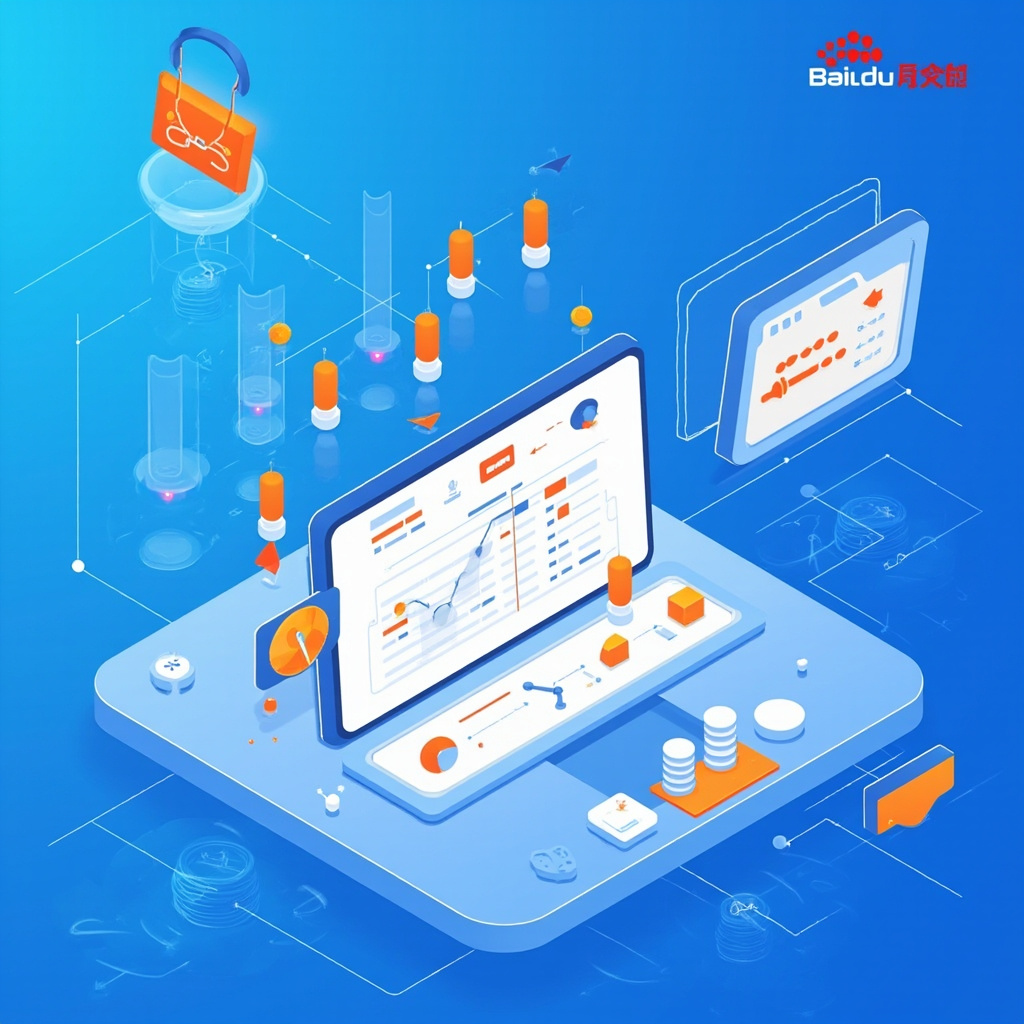
DuClaw dashboard showing AI agent workflow builder

With DuClaw, you simply:

  • Open your web browser
  • Navigate to the DuClaw platform
  • Start building agents immediately

No installations. No configurations. No technical barriers.

How DuClaw Works

DuClaw runs on Baidu AI Cloud, leveraging the complete OpenClaw framework through a web interface. The platform provides pre-configured access to:

  • Baidu Search – Real-time web information gathering
  • Baidu Baike – Encyclopedic knowledge base access
  • Baidu Scholar – Academic research capabilities
  • Multiple AI models – Supporting various reasoning and language tasks

The genius lies in the “zero-deployment” architecture. Instead of spinning up individual servers for each user, DuClaw uses containerized agent environments that launch instantly when needed.

Who Benefits Most?

DuClaw targets three main groups:

Non-Technical Users

Business professionals, content creators, and everyday users who want AI automation without learning cloud platforms or coding.

Developers Prototyping

Software developers who need to test AI agent concepts quickly before investing in full deployments.

Enterprise Teams

Organizations wanting to experiment with AI agents for specific workflows without IT department involvement.
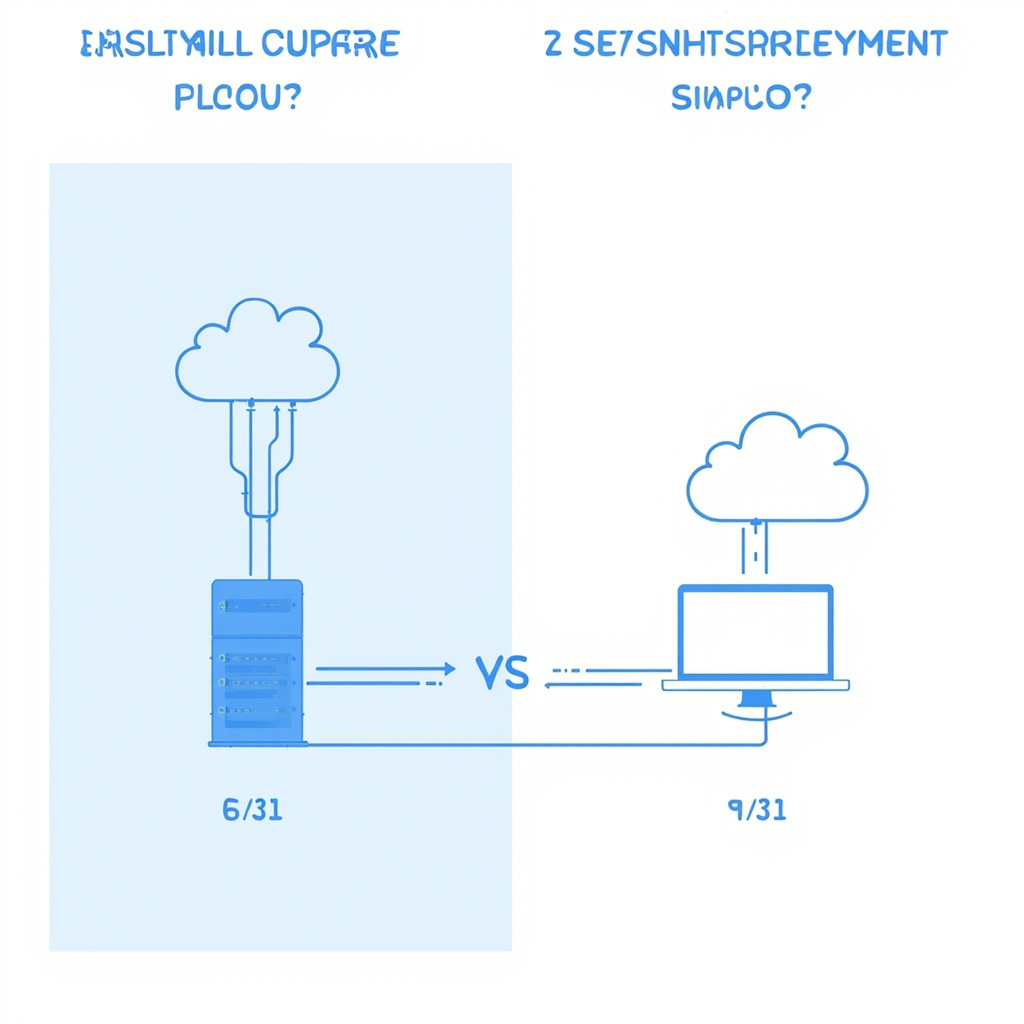
Comparison between traditional server setup and DuClaw instant deployment

Real-World Applications

Early DuClaw users are building agents for:

  • Research automation – Gathering information on specific topics
  • Content monitoring – Tracking mentions and industry news
  • Data analysis – Processing spreadsheets and generating insights
  • Customer support – Handling routine inquiries
  • Social media management – Scheduling and responding to posts

Limitations to Consider

DuClaw isn’t perfect. The zero-setup convenience comes with trade-offs:

  • Limited customization – You’re restricted to Baidu’s pre-configured tools
  • Data residency – Your agent data lives on Baidu’s Chinese servers
  • Integration constraints – Fewer third-party service connections than full OpenClaw deployments
  • Performance limits – Shared infrastructure may impact response times during peak usage

Pricing and Availability

Baidu offers DuClaw through a tiered model:

  • Free tier – 100 agent interactions per month
  • Pro tier – $29/month for 2,000 interactions
  • Enterprise – Custom pricing for unlimited usage

The platform is currently available globally, with English language support rolling out throughout 2026.

The Bigger Picture

DuClaw represents a significant shift in AI accessibility. By removing technical barriers, Baidu is democratizing AI agent technology in a way that could accelerate mainstream adoption.

This move also intensifies competition with Western AI platforms. While OpenAI, Anthropic, and Google focus on model capabilities, Baidu is optimizing for user experience and deployment simplicity.

Should You Try DuClaw?

If you’ve been curious about AI agents but intimidated by the technical requirements, DuClaw offers an excellent entry point. The free tier provides enough interactions to test meaningful automations.

For businesses, DuClaw enables rapid AI experimentation without IT overhead. You can prototype agent workflows, evaluate their impact, and then decide whether to migrate to more robust platforms.

Just remember: convenience often means compromise. DuClaw excels at getting you started quickly, but you may eventually need more flexibility than the platform provides.

Ready to try zero-setup AI agents? DuClaw proves that powerful AI tools don’t always require technical expertise—sometimes they just require smart platform design.

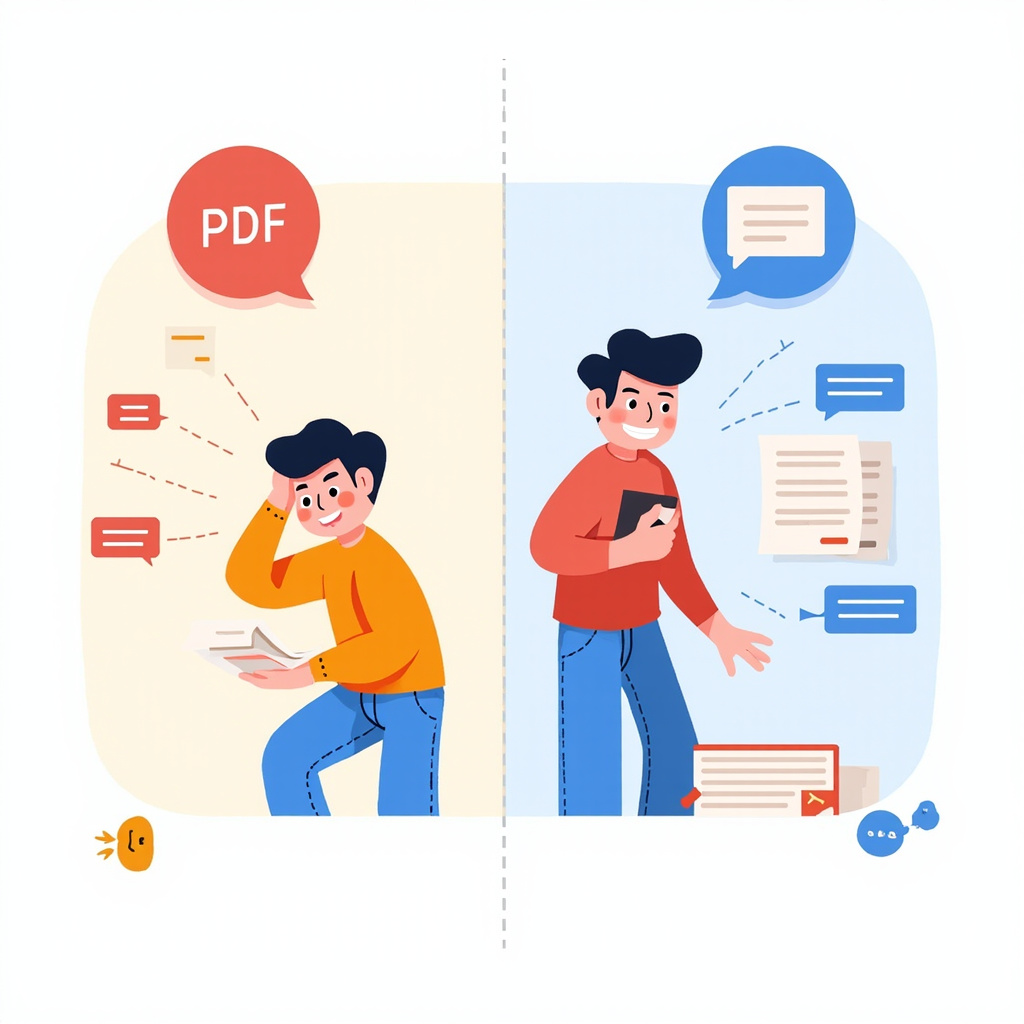
Talk to Your PDFs: 5 AI Chat Tools That Transform How You Read Documents

Reading through long PDFs, research papers, and complex documents doesn’t have to be a slog anymore. AI chat tools now let you have actual conversations with your documents, asking questions and getting instant answers without scrolling through hundreds of pages.

Whether you’re a student tackling research papers, a professional reviewing contracts, or anyone dealing with lengthy documents daily, these AI PDF chat tools can save hours of manual reading time.

Traditional PDF reading vs AI chat interface comparison

Why AI PDF Chat Tools Matter

Traditional PDF reading forces you to manually scan through pages, trying to find specific information or understand complex concepts. AI chat tools flip this process: instead of you searching the document, you ask the AI specific questions and it finds the answers for you.

Key benefits include:

  • Instant answers: Get specific information without scrolling through pages
  • Smart summarization: Understand key points quickly
  • Cross-referencing: Ask about connections between different sections
  • Language simplification: Get complex concepts explained in plain English
  • Multi-document analysis: Compare information across multiple PDFs

Top 5 AI PDF Chat Tools for 2026

1. ChatPDF – The Original Pioneer

ChatPDF started the PDF conversation revolution and remains one of the most reliable options. Upload any PDF and immediately start asking questions about its content.

Best for: Academic research, quick document analysis
Free plan: 2 documents per day
Paid plan: Unlimited documents with ChatPDF Plus

2. PDF.ai – Enterprise-Grade Features

PDF.ai offers more advanced features including document comparison, batch processing, and detailed citation tracking. Perfect for professional use cases.

Best for: Business documents, legal contracts, technical manuals
Free plan: Limited queries per month
Pricing: Starts at $9/month for unlimited access

3. AskYourPDF – Multi-Format Support

Beyond PDFs, AskYourPDF handles Word documents, PowerPoint presentations, and even web pages. Great for users working with diverse document types.

Best for: Mixed document workflows, content creators
Free plan: 5 documents per day
Features: Browser extension, mobile app available

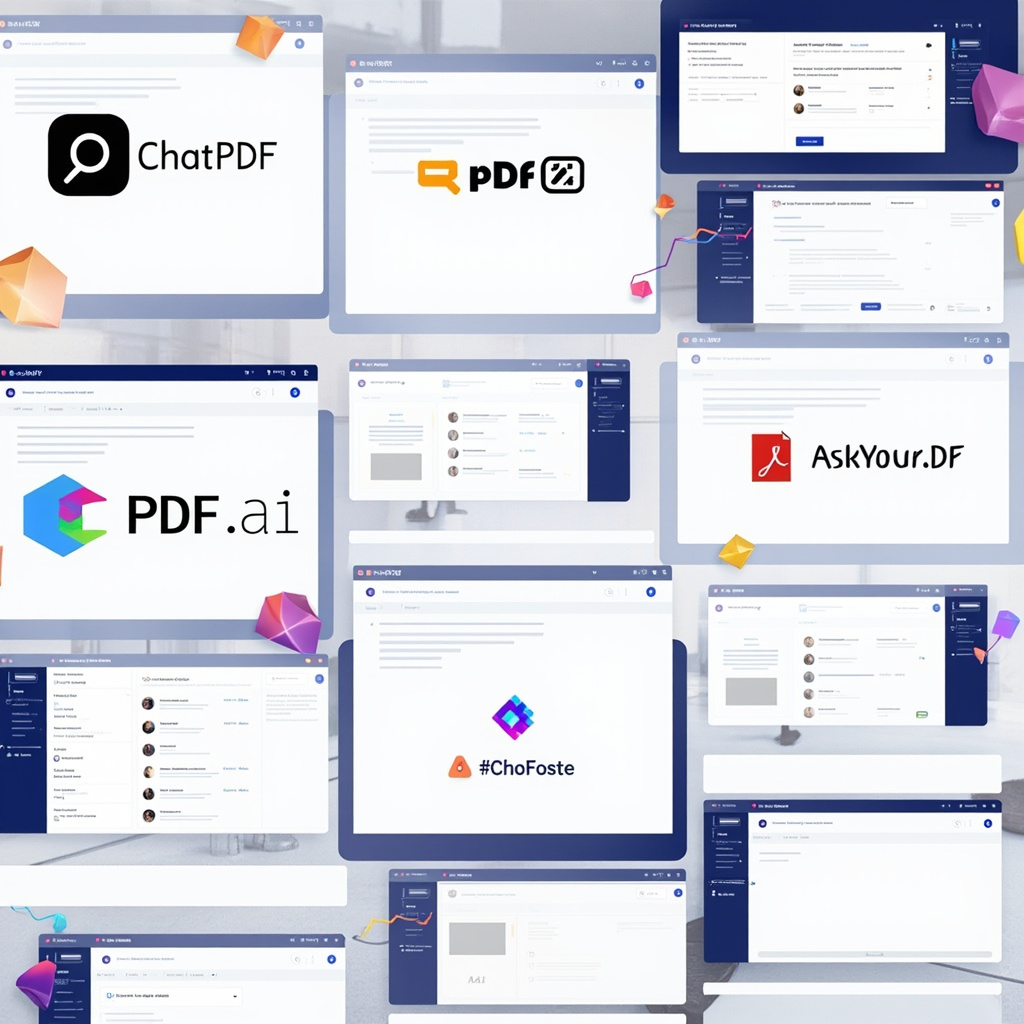
Collection of AI PDF chat tool interfaces

4. Smallpdf AI Chat – Swiss Precision

From the makers of the popular Smallpdf toolkit, this AI chat feature integrates seamlessly with their existing PDF editing and management tools.

Best for: Users already in the Smallpdf ecosystem
Free plan: Basic chat features included
Integration: Works with Smallpdf’s editing and conversion tools

5. Humata AI – Research-Focused

Specifically designed for researchers and academics, Humata AI excels at analyzing research papers, generating citations, and connecting ideas across multiple documents.

Best for: Academic research, literature reviews
Features: Citation generation, research summaries
Pricing: Free tier with usage limits, paid plans for heavy users

Choosing the Right Tool for You

Your best choice depends on your specific needs:

  • Students and researchers: ChatPDF or Humata AI for academic work
  • Business professionals: PDF.ai for advanced features and security
  • Casual users: AskYourPDF for its versatility and free tier
  • Existing Smallpdf users: Smallpdf AI Chat for seamless integration

Getting Started Tips

To get the most out of AI PDF chat tools:

  1. Start with specific questions: Instead of asking “What is this document about?”, try “What are the main conclusions about climate change impacts?”
  2. Use follow-up questions: Build on previous answers to dive deeper into topics
  3. Ask for summaries: Request bullet-point summaries of complex sections
  4. Cross-reference information: Ask the AI to find connections between different parts of the document
  5. Request clarification: If something isn’t clear, ask the AI to explain it in simpler terms

The Future of Document Reading

AI PDF chat tools represent a fundamental shift in how we interact with written information. Instead of passive reading, we can now have active conversations with our documents, making research and analysis more efficient and engaging.

As these tools continue improving with better AI models and more features, they’ll become essential for anyone who regularly works with documents. The question isn’t whether to adopt them, but which one fits your workflow best.

Try one of these tools with your next lengthy document – you might be surprised how much time you save and how much more you understand.

Voice Cloning Revolution: 7 AI Tools That Let Anyone Clone Voices in Under 10 Minutes

Voice cloning technology has exploded in 2026, transforming from a complex, expensive process into something anyone can do with just a few minutes of audio. Whether you’re a content creator, business owner, or just curious about AI, these cutting-edge voice synthesis tools are making personalized audio more accessible than ever.

The Voice Cloning Revolution

Just a year ago, creating a convincing voice clone required hours of professional recording and thousands of dollars. Now, breakthrough models like Fish Speech V1.5 and XTTS-v2 can clone your voice with as little as 6 seconds of audio across 17 languages. This isn’t science fiction—it’s happening right now, and the results are remarkably convincing.

Person recording voice sample with professional microphone and laptop showing voice cloning interface

The technology behind modern voice cloning uses advanced neural networks that analyze unique vocal characteristics including tone, pitch, accent, speaking patterns, and emotional inflection. These AI models then generate new speech that maintains the speaker’s distinctive voice while saying completely new words and sentences.

Top Voice Cloning Tools for Everyday Users

ElevenLabs

Leading the consumer market, ElevenLabs offers studio-quality voice cloning with remarkable emotion control. Their platform supports over 70 languages and provides both instant voice cloning and professional voice design tools. The free tier gives you enough credits to experiment, while paid plans unlock commercial usage rights.

Fish Audio

Fish Audio has become the go-to platform for creators seeking professional-grade text-to-speech with voice cloning capabilities. Their Fish Speech V1.5 model delivers exceptional quality with minimal input requirements, supporting 8 languages with over 2 million pre-built voices in their library.

Uberduck

Known for making voice synthesis accessible to everyone, Uberduck offers free AI voice cloning alongside their extensive library of celebrity and character voices. Their user-friendly interface makes it perfect for beginners who want to experiment without technical complexity.

Open Source Powerhouses

The open-source community has made tremendous strides in 2026, with several models now rivaling commercial offerings:

  • XTTS-v2: Supports voice cloning across 17 languages using just 6 seconds of reference audio
  • CosyVoice2-0.5B: Delivers exceptional quality with efficient computational requirements
  • IndexTTS-2: Offers real-time voice generation with impressive naturalness
  • Qwen3-TTS: Gaining attention for multilingual support and minimal reference audio needs

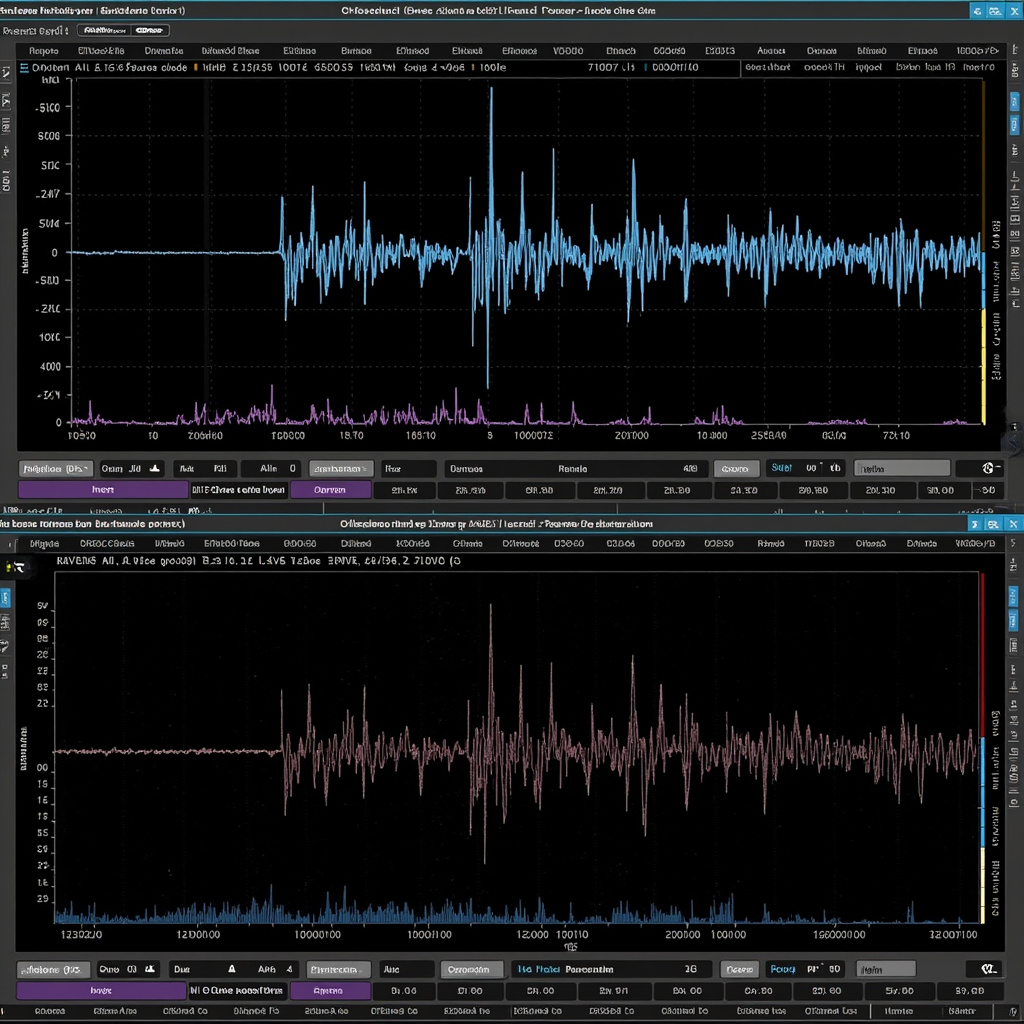
Side-by-side comparison of original voice waveform and AI-generated voice clone waveform

Real-World Applications

Voice cloning isn’t just a novelty—it’s solving real problems across industries. Content creators use it for consistent narration across long-form content. Businesses leverage it for personalized customer communications at scale. Individuals with speech disabilities can preserve their natural voice even as their condition progresses.

Podcast producers are using voice cloning for multilingual versions of their shows, while audiobook publishers can maintain narrator consistency even when recording sessions are months apart. The technology is also enabling new forms of accessibility, helping people communicate in their own voice even when they can’t physically speak.

Ethical Considerations and Best Practices

With great power comes great responsibility. The same technology that enables amazing creative possibilities also raises important ethical questions. Always obtain explicit consent before cloning someone’s voice, clearly disclose when synthetic voices are being used, and respect intellectual property rights.

Most reputable platforms now include built-in safeguards against misuse, requiring voice verification for cloning and implementing detection mechanisms for unauthorized usage. As users, we must use these tools responsibly and transparently.

Getting Started Today

Ready to try voice cloning yourself? Start with a free platform like Uberduck or ElevenLabs to understand the basics. Record 30-60 seconds of clear, varied speech in a quiet environment. Most tools work best with conversational tone rather than monotone reading.

For professional applications, consider Fish Audio or investing in ElevenLabs’ paid tiers for higher quality and commercial licensing. If you’re technically inclined, explore open-source options like XTTS-v2 for complete control over your voice models.

The voice cloning revolution is just beginning. As these tools continue improving and becoming more accessible, we’re entering an era where personalized, high-quality synthetic speech will become as common as written text. The question isn’t whether voice cloning will change how we communicate—it’s how quickly you’ll adapt to this new reality.

Google Personal Intelligence Now Free: How to Turn Gemini Into Your Personal AI Assistant

Google just made its most powerful AI feature available to everyone. Personal Intelligence, which connects Gemini to your Gmail, Google Photos, YouTube history, and Search data, became free for all US users on March 17, 2026. This isn’t just another AI update—it’s the transformation of Gemini from a generic chatbot into a truly personal assistant.

What Is Google Personal Intelligence?

Personal Intelligence is Google’s answer to making AI assistants actually useful in your daily life. Instead of giving you generic responses, Gemini can now access your personal data across Google’s ecosystem to provide personalized, contextual answers.

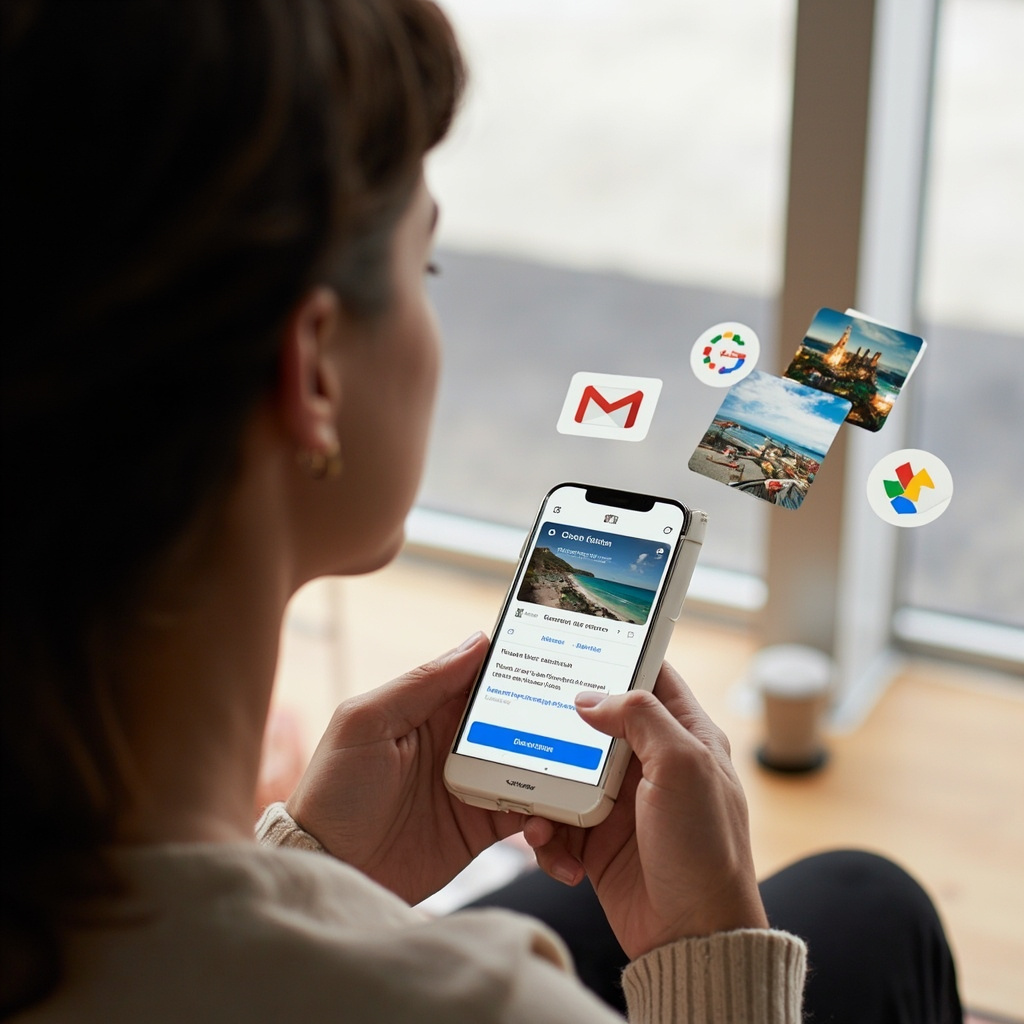
Person using Gemini with connected Google apps

The feature connects four key Google services:

  • Gmail – Access your emails for travel confirmations, receipts, and important information
  • Google Photos – Find specific images and use visual context from your photo library
  • YouTube – Reference your watch history and preferences
  • Search – Build on your previous searches and interests

Real-World Examples That Actually Matter

Google’s own example perfectly illustrates the power: A parent needed new tires for their 2019 Honda minivan while standing at the tire shop. Instead of searching for generic tire specifications, Gemini:

  • Pulled the exact tire size for their specific vehicle
  • Suggested options based on their family road trips found in Google Photos
  • Provided ratings and prices for different tire types
  • Retrieved their license plate number from a photo when needed at the counter

This isn’t about showing off—it’s about saving time and reducing friction in everyday situations.

Privacy: What You Need to Know

Google built Personal Intelligence with privacy controls at the center:

  • Opt-in only – The feature is off by default and requires your explicit permission
  • Selective connections – Choose which apps to connect (you can link Photos but not Gmail, for example)
  • Data stays with Google – Your information doesn’t get sent to third-party services
  • Training limitations – Gemini doesn’t train directly on your personal emails or photos
  • Easy controls – Turn off connections or delete chat history anytime

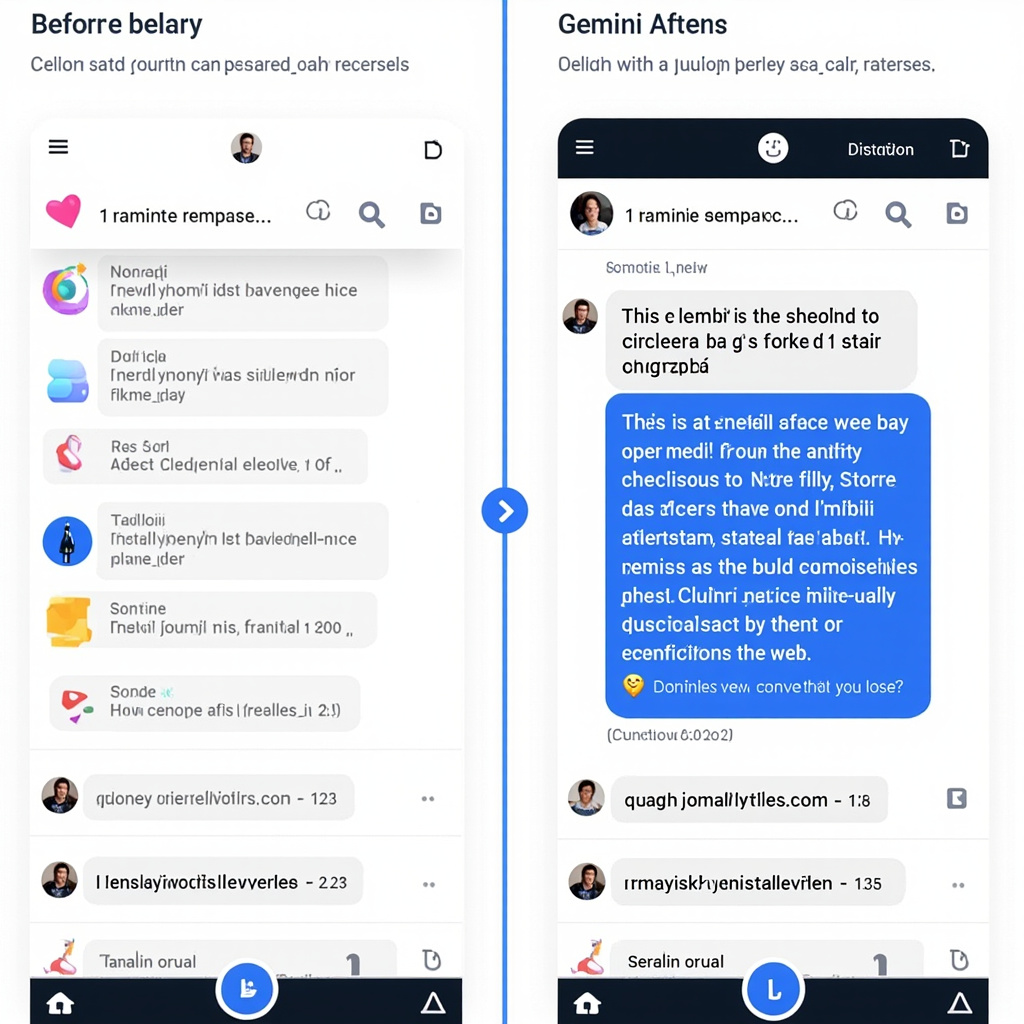
Comparison of generic vs personalized AI responses

How to Enable Personal Intelligence

Setting up Personal Intelligence takes less than a minute:

  1. Open the Gemini app or visit gemini.google.com
  2. Look for the Personal Intelligence invitation on the home screen, or go to Settings
  3. Tap “Personal Intelligence”
  4. Select “Connected Apps”
  5. Choose which Google services to connect (Gmail, Photos, YouTube, Search)
  6. Confirm your choices

The feature works across web, Android, and iOS, and with all Gemini models in the model picker.

Current Limitations and Future Potential

Personal Intelligence is still in beta, and Google acknowledges some current issues:

  • Over-personalization – Sometimes makes connections between unrelated topics
  • Timing confusion – May struggle with relationship changes or life updates
  • Nuance gaps – Might miss subtle context (like why you’re at a golf course regularly)

But the potential is enormous. This represents the shift from AI as a search tool to AI as a genuine personal assistant that understands your context, preferences, and needs.

Why This Matters for Everyday Users

Personal Intelligence addresses the biggest complaint about AI assistants: they don’t know you. Generic responses are fine for general questions, but they fall short when you need help with your specific situation, preferences, or context.

With Personal Intelligence enabled, Gemini becomes the AI assistant that can:

  • Help plan trips based on your actual interests and past experiences
  • Find specific information buried in your emails
  • Suggest content based on what you’ve actually enjoyed
  • Remember your preferences and apply them consistently

Google Personal Intelligence represents a major step toward AI that’s genuinely useful in daily life. It’s not perfect yet, but for the first time, we have an AI assistant that can access the context it needs to actually help you—not just provide generic information you could have Googled yourself.

The feature is rolling out to all US users over the next week. If you don’t see it yet, check back in a few days. When it arrives, take five minutes to set it up—it might just change how you think about AI assistants.

AI Music Generation Tools for Content Creators in 2026: Create Professional Soundtracks in Minutes

Content creators no longer need expensive studio equipment or years of music training to produce professional-quality soundtracks. AI music generation tools have revolutionized how we create audio content, making it possible to generate custom music, sound effects, and even full compositions from simple text prompts.

Whether you’re a YouTuber, podcaster, social media creator, or filmmaker, these AI music tools can save you thousands of dollars in licensing fees while giving you complete creative control over your audio.

The Rise of AI Music Creation

The music industry has been transformed by artificial intelligence. What once required a full production team can now be accomplished by anyone with a computer and an internet connection. AI music generators use machine learning models trained on millions of songs to understand musical patterns, genres, and styles.

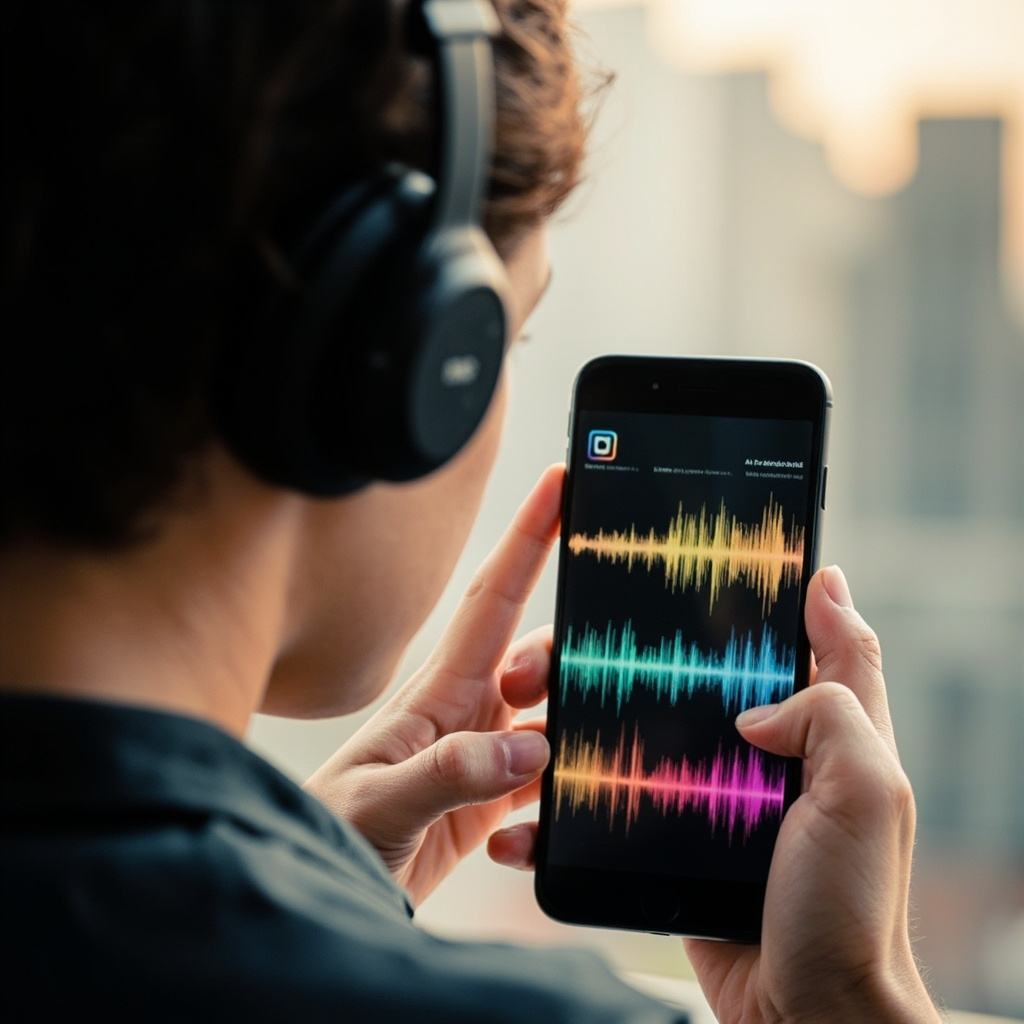
AI music generation on mobile device

These tools analyze everything from chord progressions to instrumentation, allowing them to create original compositions that sound professionally produced. The best part? You don’t need any musical knowledge to use them effectively.

Top AI Music Tools for 2026

Suno: The Complete Music Creation Suite

Suno stands out as the most comprehensive AI music generator available in 2026. It can create full songs with vocals, lyrics, and instrumentation from simple text descriptions. The platform excels at understanding genre-specific requests and can produce everything from pop hits to classical compositions.

  • Generates complete songs with vocals and instruments
  • Supports multiple genres and styles
  • Fast generation times (under 2 minutes per song)
  • High-quality audio output suitable for commercial use

Udio: Professional-Grade Audio Production

Udio focuses on creating studio-quality instrumental tracks perfect for background music. It’s particularly strong with electronic music, ambient soundscapes, and cinematic scores that content creators love.

AIVA: Classical and Orchestral Specialist

For creators who need sophisticated orchestral arrangements or classical-style compositions, AIVA (Artificial Intelligence Virtual Artist) delivers exceptional results. It’s perfect for documentary soundtracks, educational content, and premium video productions.

Content creator using AI music tools

Practical Applications for Content Creators

YouTube Videos

Replace expensive royalty-free music with custom tracks that perfectly match your content’s mood and pacing. Generate intro music, background tracks, and outros that are uniquely yours.

Podcasts

Create branded intro and outro music, segment transitions, and background ambience that gives your podcast a professional sound without the licensing headaches.

Social Media

TikTok, Instagram Reels, and YouTube Shorts perform better with engaging audio. Generate trending-style beats and background music that complement your visual content.

Commercial Projects

For client work, AI-generated music eliminates copyright concerns while providing custom soundtracks that align perfectly with brand messaging.

Getting Started: Best Practices

Success with AI music generation comes down to effective prompting and understanding each tool’s strengths:

  • Be specific with genre and mood: Instead of “upbeat music,” try “energetic electronic dance music with heavy bass and synthesizers.”
  • Reference existing styles: Many tools work well when you mention specific artists or songs as style references.
  • Experiment with length: Start with shorter clips (30-60 seconds) before generating full-length tracks.
  • Layer and edit: Combine AI-generated elements with traditional editing software for polished results.

Cost Comparison: AI vs Traditional Music

The economics are compelling. Premium royalty-free music can cost $50-200 per track for commercial use. Most AI music platforms offer unlimited generation for $10-30 monthly, making them incredibly cost-effective for regular content creators.

The Future of AI Music

2026 has seen remarkable improvements in AI music quality and accessibility. Tools now generate music that’s indistinguishable from human-composed tracks, and we’re seeing integration with video editing software and live streaming platforms.

Expect to see more specialized tools for specific genres, better collaboration features for teams, and improved integration with existing content creation workflows.

AI music generation isn’t just a cost-saving measure—it’s a creative catalyst that democratizes music production. Whether you’re creating content for millions of followers or just starting your creative journey, these tools put professional-quality music creation at your fingertips.

ChatGPT Health Is Here: The AI Medical Assistant That Could Save Your Life

In an era where long wait times for medical appointments have become the norm, AI is stepping in to fill the healthcare gap. With 59% of people now using artificial intelligence to self-diagnose and check medical symptoms, the landscape of healthcare is rapidly evolving.

The driving force behind this shift? OpenAI's revolutionary ChatGPT Health – a specialized AI tool that's transforming how we approach personal healthcare management.

What Is ChatGPT Health?

ChatGPT Health represents a significant leap forward in AI-powered healthcare assistance. This dedicated feature allows users to securely connect their medical records and wellness apps – including Apple Health, Function, and MyFitnessPal – creating a comprehensive health profile that ChatGPT can analyze and interpret.

AI Symptoms Checker Interface

Unlike generic symptom checkers, ChatGPT Health provides personalized insights based on your actual health data, recent test results, and medical history. The system is designed to support – not replace – professional medical care, offering a bridge between doctor visits and health concerns.

Real-World Impact: When AI Saves Lives

The potential of AI in healthcare isn't just theoretical. Stories are emerging of patients who credit AI with helping identify serious conditions that might otherwise have been missed. As one cancer survivor notes, "Unlike doctors, ChatGPT has nearly unlimited time to engage in exhaustive inquiry with patients."

This unlimited availability addresses a critical gap in healthcare: the time constraint that often prevents thorough exploration of symptoms. While doctors are pressed for time, AI can spend hours analyzing patterns, asking follow-up questions, and exploring possibilities.

Key Features of ChatGPT Health:

  • Medical Record Integration: Securely connects to your existing health data
  • Test Result Analysis: Helps interpret lab results and medical reports
  • Appointment Preparation: Generates relevant questions for your doctor
  • Diet and Exercise Guidance: Personalized recommendations based on health goals
  • Insurance Navigation: Helps understand coverage options based on your healthcare patterns

The Rise of AI Self-Diagnosis

The statistics paint a clear picture: healthcare accessibility issues are driving people toward AI solutions. With long GP waiting times and limited access to professional care, patients are increasingly turning to AI for initial health assessments.

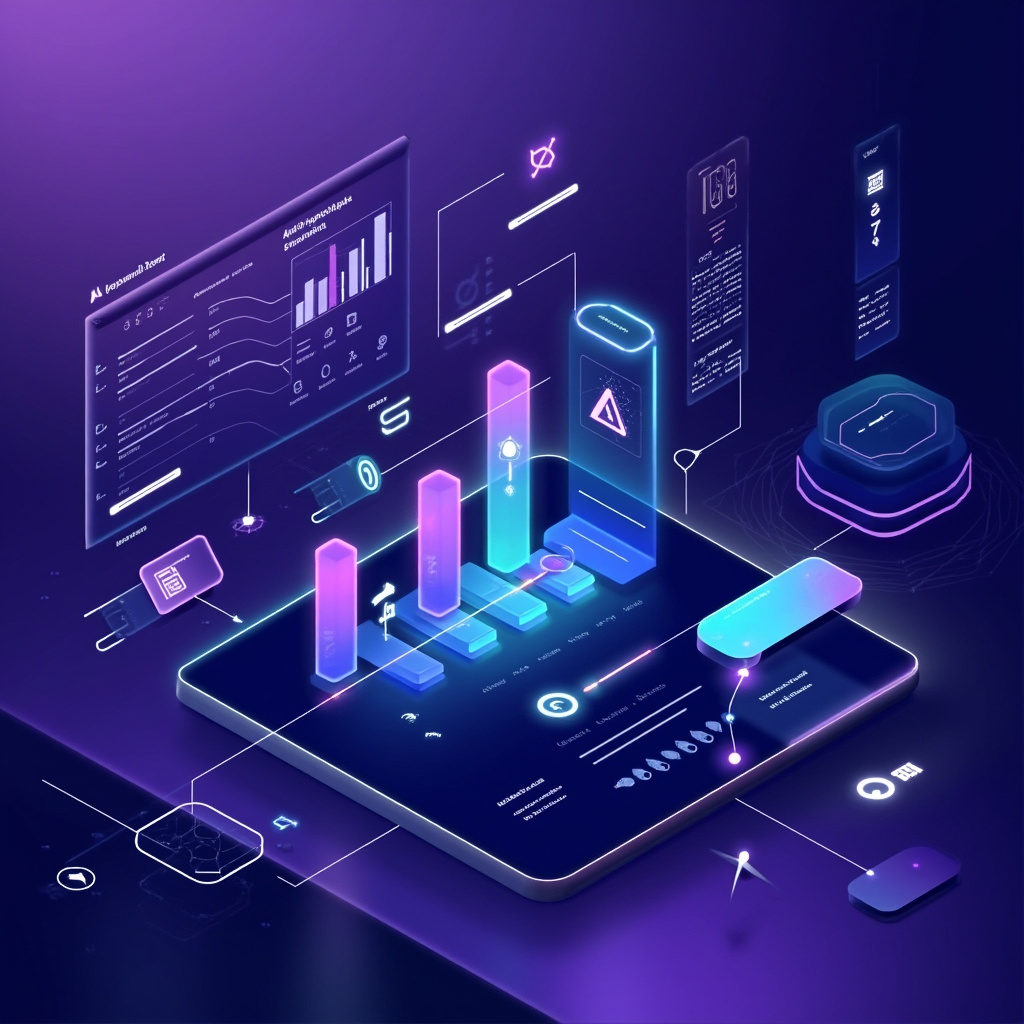
AI Health Dashboard

This trend spans everything from medication side effects to mental health support, representing a fundamental shift in how people approach their healthcare journey. AI tools are filling the gap between symptoms appearing and professional consultation becoming available.

Safety and Limitations

It's crucial to understand that ChatGPT Health is designed as a supplementary tool, not a replacement for professional medical advice. The system includes built-in disclaimers and is explicitly not intended for diagnosis or treatment of medical conditions.

Important Considerations:

  • Not a replacement for doctors: Always consult healthcare professionals for serious concerns
  • Privacy protection: Medical data integration uses secure, encrypted connections
  • Accuracy limitations: AI can make mistakes – professional verification is essential
  • Emergency situations: Seek immediate medical attention for urgent symptoms

Getting Started with ChatGPT Health

For those interested in exploring AI-assisted health management, ChatGPT Health offers a user-friendly entry point. The setup process involves connecting your preferred health apps and medical record systems through secure APIs.

The key to successful implementation lies in viewing AI as a health management partner rather than a replacement for professional medical care. Use it to track patterns, prepare for appointments, and gain insights – but always follow up with qualified healthcare providers for important health decisions.

The Future of AI Healthcare

As AI tools become more sophisticated and widely adopted, we're witnessing the early stages of a healthcare revolution. ChatGPT Health represents just the beginning of how artificial intelligence will integrate into our daily health management routines.

The combination of unlimited availability, pattern recognition capabilities, and personalized analysis makes AI an invaluable healthcare companion. While it won't replace the human touch and expertise of medical professionals, it's creating new possibilities for proactive health management and early intervention.

As we move forward, the key will be striking the right balance between AI assistance and professional medical care – using technology to enhance, rather than replace, the human elements that remain essential to effective healthcare.

Google Flow Gets Major AI Video Editing Upgrade: The Creative Tool That Changes Everything

Google just dropped a massive update to Flow that transforms it from a simple video generator into a complete creative powerhouse. With over 1.5 billion videos created since launch, Flow now integrates image generation, precise editing tools, and seamless asset management in one unified workspace.

Creative workspace with Google Flow interface

What Makes This Update Revolutionary

The biggest change? Flow now includes Nano Banana image generation directly in the core experience. This means you can create high-fidelity images and instantly turn them into video ingredients without switching tools. Plus, image generation is completely free in Flow.

Google is also migrating the best features from Whisk and ImageFX directly into Flow. Starting in March 2026, you can transfer all your projects and assets from these tools seamlessly into your Flow library.

Precision Editing That Actually Works

The new lasso tool lets you select specific areas of images and edit them with natural language commands like “remove the man” or “add koi fish in the water.” You can also draw directly on images to show Flow exactly what you want changed.

For video editing, Flow now offers:

  • Seamless clip extension – Generate what happens next in your footage
  • Object manipulation – Add or remove elements from videos with simple text prompts
  • Camera controls – Direct precise movements like pans and zooms
  • Scene cleanup – Instantly remove unwanted subjects or objects

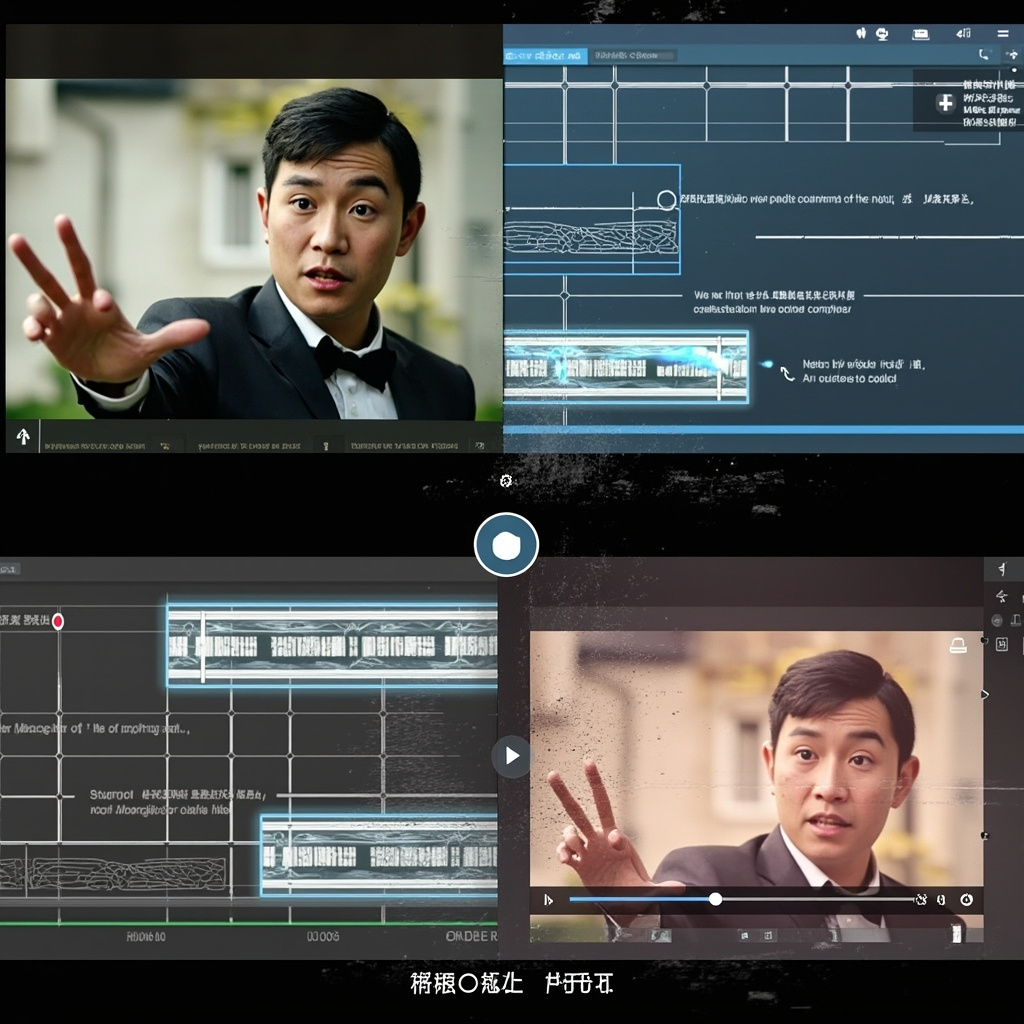
Before and after video editing comparison

Smart Asset Management for Real Workflows

Google recognizes that creative work isn’t linear. The new asset grid makes it easy to search, filter, and organize your images and videos into collections. You can drag assets around your interface, reference specific items using the “@” symbol, and toggle between different view modes.

This addresses a major pain point for creators who were struggling to manage large libraries of generated content.

Why This Matters for Everyday Creators

Flow is targeting the massive gap between simple AI video generators and professional editing suites. With these updates, you can:

  • Create mood boards and concept art
  • Direct short films with professional camera movements
  • Launch product campaigns with consistent visual branding
  • Edit and refine content iteratively without losing quality

Getting Started Today

The updated Flow is available now at flow.google. The interface redesign puts image generation front and center, making it much easier to jump between creating images and videos.

For creators who’ve been waiting for AI tools that handle real creative workflows—not just one-off generations—Flow’s latest update delivers on that promise. The combination of free image generation, precise editing controls, and professional asset management makes this a serious competitor to traditional creative suites.

Google has positioned Flow as the bridge between AI experimentation and professional creative work. Based on these features, they might just pull it off.

AI Agents Are Finally Going Mainstream: Your Personal Productivity Revolution Starts Now

After years of hype and limited real-world applications, AI agents are finally breaking into mainstream use—and 2026 marks the tipping point. These intelligent digital assistants aren’t just responding to prompts anymore; they’re taking initiative, executing multi-step tasks, and transforming how everyday users approach personal productivity.

What Makes 2026 Different for AI Agents

Unlike traditional AI tools that require constant guidance, today’s AI agents operate more like autonomous teammates. They can manage your calendar, sort through emails, coordinate tasks across multiple platforms, and even make decisions based on your preferences—all without constant supervision.

Recent data shows that AI agents are challenging mainstream productivity tools worth an estimated $58 billion market. ChatGPT has overtaken TikTok as the top trending app, reflecting a massive shift toward AI-assisted productivity and problem-solving among consumers.

AI virtual assistant managing multiple productivity tasks

How AI Agents Handle Your Daily Tasks

Modern AI agents excel at connecting different aspects of your digital life. Here’s what they can do for you right now:

  • Email Management: Automatically sort, prioritize, and draft responses to routine messages
  • Calendar Optimization: Schedule meetings, find optimal time slots, and handle rescheduling conflicts
  • Task Coordination: Break down projects into manageable steps and track progress across platforms
  • Information Research: Gather relevant data, summarize findings, and present actionable insights
  • Routine Automation: Handle repetitive tasks like data entry, file organization, and follow-ups

The Multi-Agent Dashboard Revolution

One of the most exciting developments is the emergence of multi-agent control planes. Instead of juggling multiple separate AI tools, you can now orchestrate several specialized agents from a single dashboard. These agents work across your browser, email client, calendar app, and other tools simultaneously.

Think of it as having a team of digital assistants, each specialized in different areas but all coordinated through one central hub.

Popular AI Agent Tools You Can Use Today

Several AI agent platforms have gained traction among everyday users:

Scheduling and Planning Agents

Morgen’s AI Planner uses smart Frames to recommend optimal task scheduling based on your energy levels and work patterns. It integrates with Google Calendar, Outlook, and other platforms to create unified daily plans.

Productivity Ecosystem Agents

Tools like Notion AI, Slack AI, and integrated Gmail assistants are creating connected workflows where agents can move seamlessly between platforms to complete complex tasks.

Multiple AI agents working together as a productive team

Getting Started with AI Agents

If you’re ready to integrate AI agents into your productivity workflow, start with these practical steps:

1. Identify Repetitive Tasks

Look for tasks you do multiple times per week that follow similar patterns. Email sorting, calendar management, and routine research are perfect starting points.

2. Choose Your Entry Point

Start with one area where you spend the most time or feel the most friction. Most users begin with email management or calendar optimization.

3. Set Clear Boundaries

Define what your AI agents can and cannot do. Start with low-risk tasks and gradually expand their responsibilities as you build trust.

4. Monitor and Adjust

AI agents learn from your feedback. Regularly review their actions and provide corrections to improve their performance over time.

The Road Ahead: What to Expect

Industry experts predict that by late 2026, AI agents will become as common as smartphones for productivity-focused professionals. The technology is moving from narrow, single-purpose tools toward comprehensive digital assistants capable of managing entire workflows.

However, the most successful implementations focus on augmenting human decision-making rather than replacing it entirely. The sweet spot appears to be agents handling routine, low-risk tasks while keeping humans in control of strategic decisions.

Ready to Join the AI Agent Revolution?

The transition to AI-assisted productivity isn’t just a trend—it’s becoming a necessity for staying competitive in an increasingly fast-paced digital world. The tools are mature, accessible, and ready for mainstream adoption.

Start small, focus on your biggest productivity pain points, and gradually build a system of AI agents that work for your specific needs. The future of personal productivity is here, and it’s more accessible than ever before.

AI Agent Tools That Will Transform Your Workflow in 2026

The AI landscape is evolving at breakneck speed, and 2026 promises to be a transformative year for productivity tools. After researching the latest trends from industry experts, we’ve identified the most impactful AI agent technologies that will revolutionize how you work.

Multi-Agent Control Planes: Your Digital Command Center

The biggest breakthrough coming in 2026 is the emergence of multi-agent dashboards and control planes. Instead of juggling multiple AI tools separately, you’ll have a unified interface where you can launch tasks and watch AI agents work across all your environments – your browser, code editor, email inbox, and more.

Multi-agent dashboard interface

Think of it as having a team of digital assistants that never sleep, each specialized in different tasks but all coordinated through one central command center. IBM researchers predict this will become the standard way we interact with AI by the end of 2026.

The Rise of AI Composers

We’re moving beyond simple AI assistance to becoming “AI composers” ourselves. Just as music producers orchestrate different elements to create a song, professionals in every field will learn to conduct AI tools to achieve their goals.

What This Means for You:

  • Marketers will compose campaigns by directing AI agents to research competitors, write copy, design graphics, and schedule posts
  • Programmers will orchestrate coding agents to handle different parts of software development simultaneously
  • Project managers will coordinate multiple AI assistants to track progress, update stakeholders, and identify bottlenecks

Enterprise-Ready AI Agents

After years of skepticism about AI’s return on investment, 2026 will finally deliver enterprise-grade agent tools that provide measurable business value. Companies are moving beyond experimental AI pilots to full-scale agent deployments.

Person using AI productivity tools

The key differentiator? These new agent platforms prioritize AI sovereignty – giving organizations complete control over their data and AI processes. Security and trust are no longer afterthoughts but fundamental features built into every tool.

Efficiency Revolution

While GPU power remains king, 2026 will see the emergence of specialized chip architectures designed specifically for agent workloads. This means:

  • Faster response times for AI agents
  • Lower costs for running multiple agents simultaneously
  • More sophisticated reasoning capabilities in lightweight packages

Getting Started with AI Agents Today

You don’t need to wait until 2026 to start benefiting from agent technology. Here’s how to prepare:

1. Start Small

Begin with simple automation tasks like email sorting, calendar management, or content scheduling. This builds your comfort level with delegating work to AI.

2. Learn Agent Thinking

Practice breaking down complex workflows into discrete steps that can be handled by different specialized agents.

3. Focus on Integration

Look for tools that work well together rather than isolated AI applications. The future belongs to interoperable agent ecosystems.

The Future Is Agentic

As we move through 2026, the question won’t be whether you use AI – it will be how skillfully you orchestrate your personal army of AI agents. The professionals who master this art of “AI composition” will have unprecedented productivity advantages.

The agent revolution is just beginning, and the early adopters who start experimenting now will be best positioned to capitalize on the massive productivity gains coming in 2026.