AI Sleep Assistants: The Smart Tools That Finally Solve Your Sleep Problems

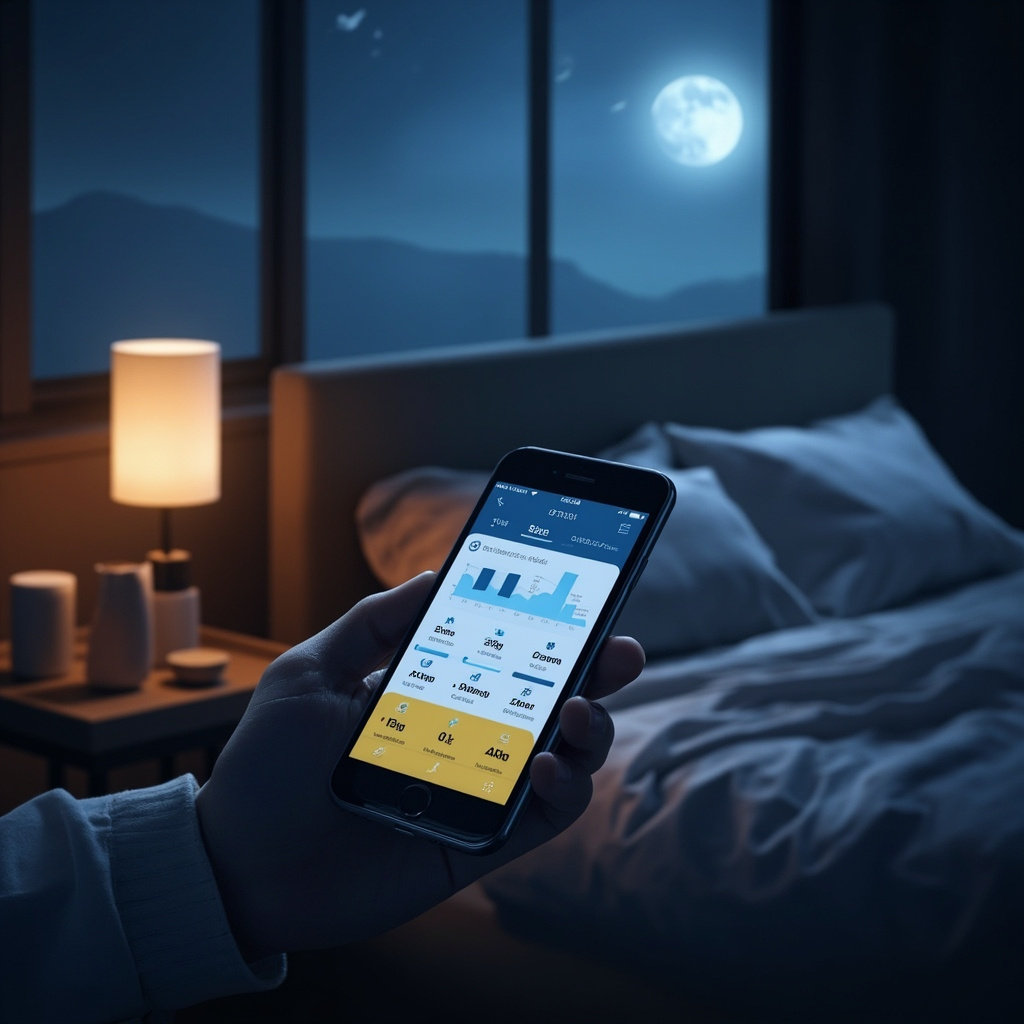
Poor sleep affects 70% of adults worldwide, but artificial intelligence is revolutionizing how we approach sleep optimization. AI sleep assistants are moving beyond basic tracking to provide personalized recommendations that actually work.
The AI Sleep Revolution
Unlike traditional sleep trackers that simply record data, AI sleep assistants analyze your patterns and actively help improve your rest. These tools combine sensor data, environmental monitoring, and machine learning to create personalized sleep strategies.

Top AI Sleep Optimization Tools
Sleep.ai
The global leader in AI-powered sleep improvement, Sleep.ai uses advanced algorithms to analyze your sleep patterns and provide actionable insights. The platform learns from your behavior and adapts recommendations in real-time.
Sleeptracker-AI
This clinically validated platform offers the first cloud-based, non-invasive IoT sleep optimization solution. Compatible with smart mattresses from Beautyrest and Tomorrow, it makes any bed a smart bed.
Hiber-AI by SleepMe
Next-level technology that brings real-time, AI-powered sleep tracking and environment control. The system continuously learns and adjusts temperature, lighting, and other factors for optimal sleep conditions.
How AI Sleep Assistants Work
These tools use multiple data sources to understand your sleep:
- Sleep stage detection – Monitors REM, deep sleep, and light sleep phases
- Environmental analysis – Tracks temperature, humidity, noise, and light levels
- Behavioral patterns – Learns from your daily activities and their impact on sleep
- Health integration – Connects with fitness trackers and health apps for comprehensive insights
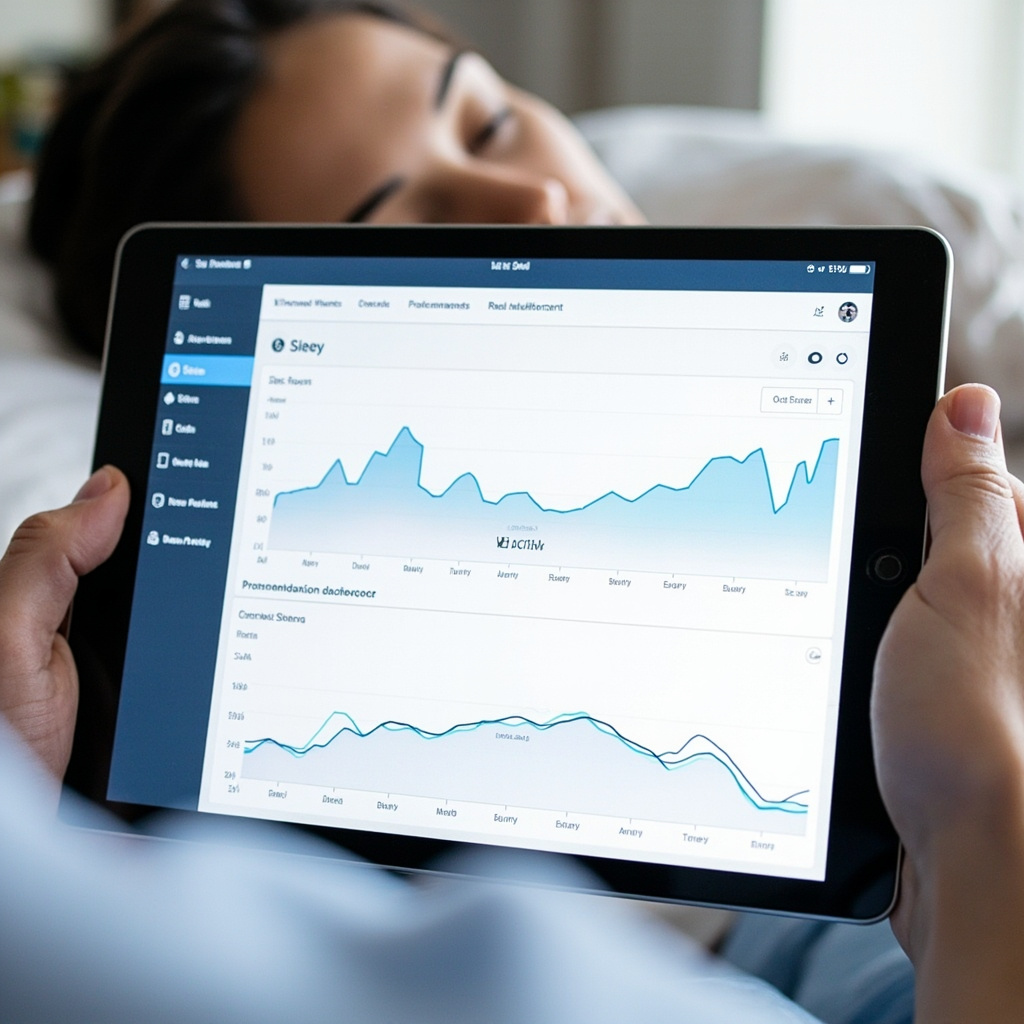
Real-World Sleep Improvements
Users report significant improvements with AI sleep assistants:
- 38% faster time to fall asleep
- 42% reduction in nighttime awakenings
- 29% improvement in sleep quality scores
- Better morning energy and mood
Getting Started with AI Sleep Optimization
Most AI sleep assistants work through smartphone apps paired with wearable devices or smart home sensors. Many offer free trials, making it easy to test different approaches.
Start with apps like SleepScore or Nightly that use your phone sensors, then consider upgrading to dedicated hardware for more accurate tracking.
The Future of Sleep Technology
AI sleep assistants are evolving rapidly. Future developments include:
- Predictive sleep optimization based on calendar and weather data
- Integration with smart home ecosystems for automatic environment adjustments
- Personalized sleep coaching using natural language processing
- Real-time sleep intervention during the night
AI sleep assistants represent a practical application of artificial intelligence that directly improves daily life. As these tools become more sophisticated and accessible, better sleep is finally within reach for everyone.