AI Image Text Translation Tools: Translate Signs, Menus, and Documents While Keeping Original Fonts and Styles

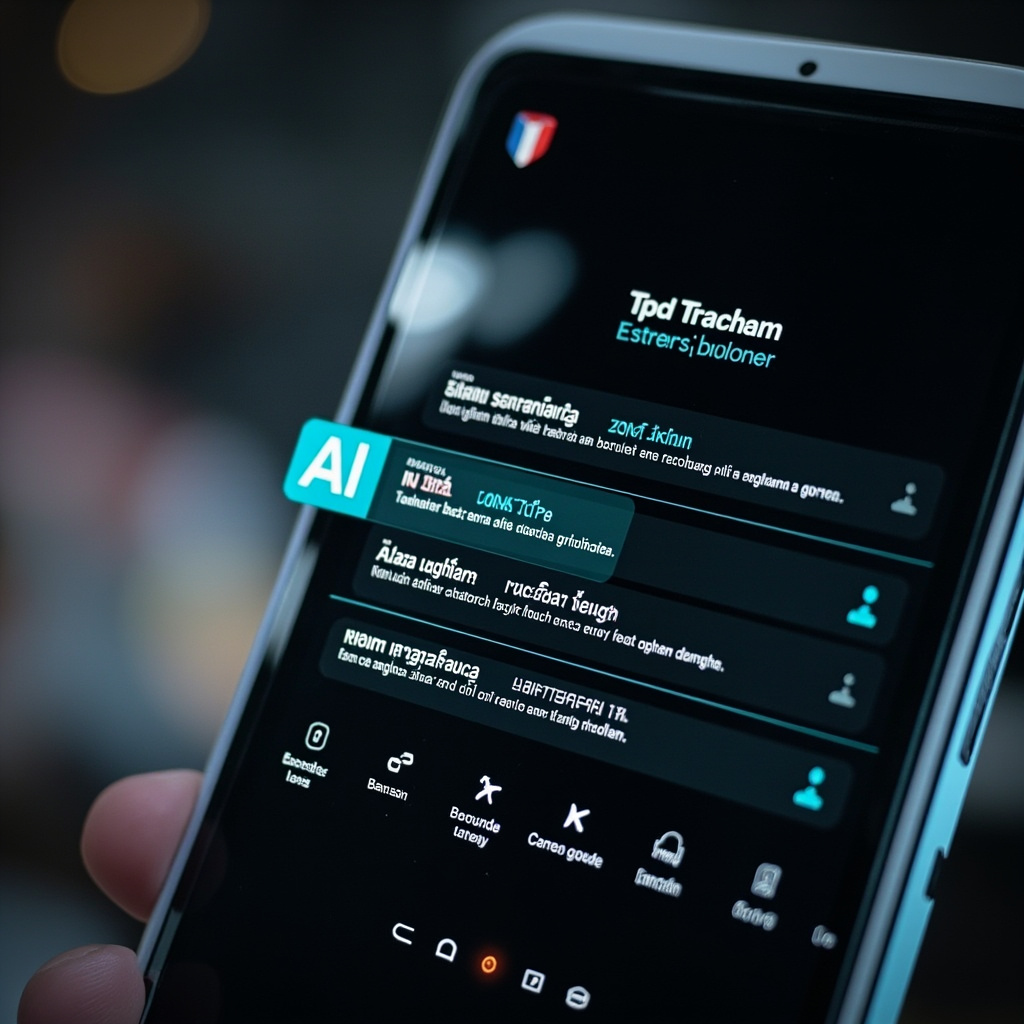
Ever found yourself staring at a foreign menu, street sign, or document, wishing you could instantly understand what it says? AI image text translation tools have revolutionized how we break language barriers, going far beyond simple text translation to preserve the original fonts, colors, and styling of translated content.
These innovative tools don’t just translate words—they maintain the visual integrity of the original design, making translations feel natural and contextually appropriate. Whether you’re traveling, studying foreign documents, or working with international content, these AI-powered solutions can transform how you interact with text in images.
What Makes AI Image Text Translation Special?
Traditional translation apps require you to manually type text or use basic camera functions that output plain translated text. AI image text translation tools take a completely different approach:
- Font Preservation: The AI analyzes and maintains the original typography, ensuring translated text matches the source material’s style
- Color Matching: Original color schemes are preserved, creating seamless visual integration
- Layout Respect: Text placement and formatting remain consistent with the original design
- Context Awareness: Advanced algorithms understand visual context to provide more accurate translations
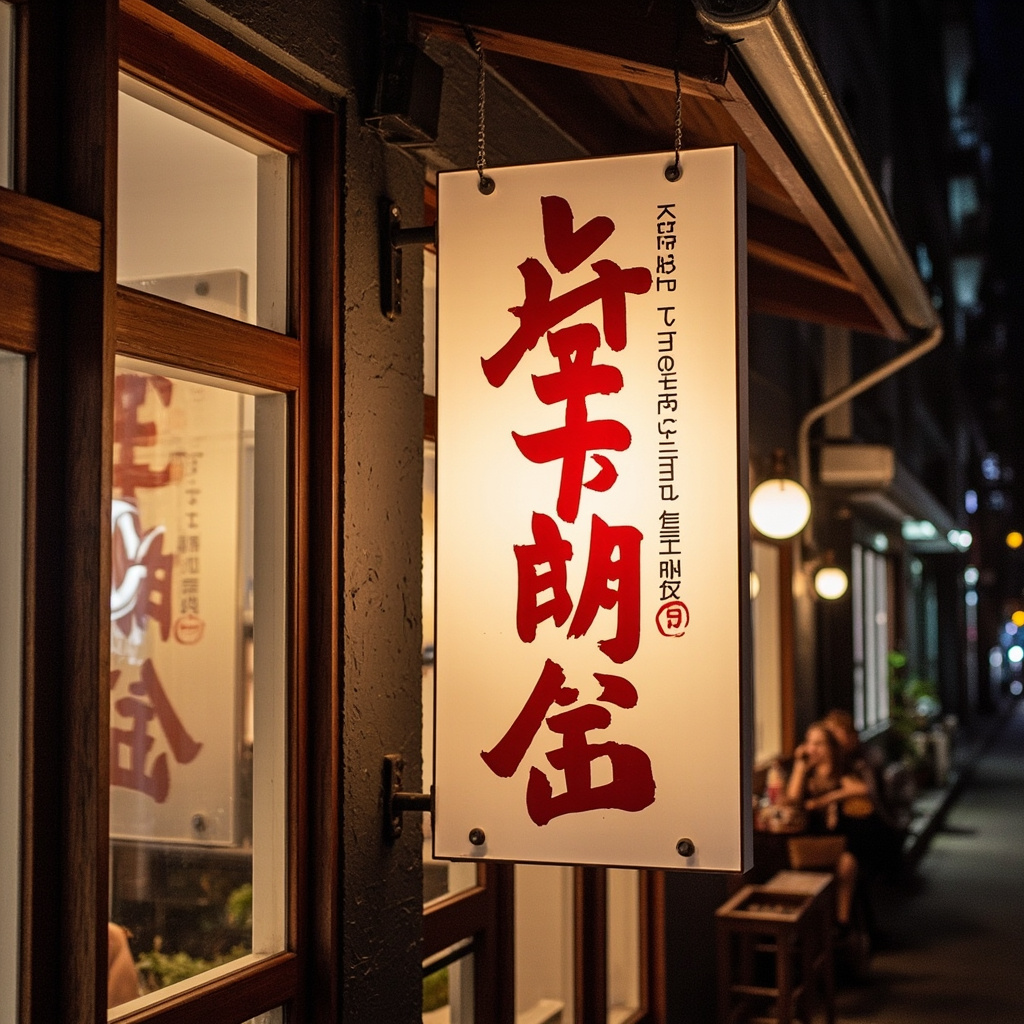
Top AI Image Text Translation Tools for 2026
Google Nano Banana Pro
Google’s latest image model has become a powerhouse for translation integration. It generates accurate text in multiple languages and can “translate” text inside existing images while preserving font and style characteristics. The tool excels at:
- Multi-language support with over 100 languages
- Real-time camera translation
- Batch processing for multiple images
- Integration with Google’s ecosystem
ChatGPT’s Conversational Image Generator
Released in March 2025 with major upgrades in December, ChatGPT’s image generator now includes sophisticated translation capabilities. What sets it apart is the conversational approach—you can refine translations using natural language without starting over.
Simply describe what you want: “make the translation more formal,” “adjust the font size,” or “change the color to match the background,” and the AI iterates naturally.
DeepL Visual Translator
Known for its exceptional translation accuracy, DeepL has expanded into visual translation with impressive results. The platform maintains its reputation for nuanced, contextually appropriate translations while adding visual preservation capabilities.
Real-World Applications
These tools are transforming various industries and daily activities:
Travel and Tourism
Tourists can instantly translate restaurant menus, street signs, and transportation information while maintaining the original visual appeal. This creates a more authentic experience compared to plain text translations.
Business and Commerce
International businesses use these tools to localize marketing materials, product packaging, and documentation while preserving brand identity and design elements.
Education and Research
Students and researchers can translate foreign academic papers, historical documents, and technical manuals while maintaining the original formatting crucial for proper understanding.
Technical Challenges and Solutions
AI image text translation faces several complex challenges that 2026’s tools are successfully addressing:
Font Matching and Recreation
Modern AI systems analyze font characteristics including weight, style, serif vs. sans-serif properties, and decorative elements. They then either match existing fonts or generate new ones that maintain visual consistency.
Color Analysis and Preservation
Advanced color analysis ensures that translated text maintains the same visual impact as the original. This includes understanding color contrast ratios for readability and matching gradients or special effects.
Layout and Spacing
Text length varies significantly between languages. AI tools now intelligently adjust spacing, line breaks, and text sizing to accommodate different language requirements while maintaining visual balance.
Privacy and Security Considerations
When using AI image text translation tools, consider these privacy aspects:
- Data Processing: Some tools process images locally, while others require cloud processing
- Image Storage: Understand whether your translated images are stored or processed temporarily
- Sensitive Content: Be cautious when translating documents containing personal or confidential information
- Offline Capabilities: Some tools offer offline translation for enhanced privacy
Future Developments
The field continues to evolve rapidly with several exciting developments on the horizon:
Real-Time Augmented Reality
Integration with AR glasses and smartphones will enable real-time overlay translations in your field of view, making foreign text instantly understandable without disrupting your natural vision.
Voice Integration
Future tools will combine image translation with text-to-speech capabilities, allowing translated text to be read aloud in natural-sounding voices.
Cultural Context Understanding
Advanced AI will better understand cultural nuances, idioms, and context-specific meanings to provide more accurate and appropriate translations.
Getting Started
Ready to try AI image text translation? Here’s how to begin:
- Choose Your Tool: Start with free options like Google Translate’s camera feature or explore premium tools for professional use
- Test with Simple Images: Begin with clear, well-lit text to understand the tool’s capabilities
- Experiment with Different Languages: Try various language pairs to see which work best for your needs
- Adjust Settings: Most tools offer customization options for translation style, formality, and visual preferences
AI image text translation tools represent a significant leap forward in breaking down language barriers while preserving the visual integrity of original content. As these technologies continue to improve, we can expect even more sophisticated solutions that make cross-language communication seamless and natural.
Whether you’re a traveler exploring foreign destinations, a student researching international sources, or a business professional working with global content, these tools offer unprecedented capabilities for understanding and working with text in any language—while keeping it looking exactly as intended.