AI Home Automation Gets Natural: The 2026 Voice Control Revolution That Actually Understands You


Remember when talking to your smart home meant memorizing robot commands like “Alexa, turn on living room lights” instead of just saying “hey, make it brighter in here”? Those days are officially over. 2026 has brought us a revolution in AI home automation that finally gets how humans actually talk.
Why 2026 Changes Everything
The breakthrough isn’t just better voice recognition—it’s contextual intelligence. Your home’s AI now understands the difference between “I’m cold” (adjust temperature), “I feel cold coming on” (maybe suggest rest mode), and “this food is cold” (possibly offer to preheat the oven). That’s a massive leap from rigid command structures.
Amazon’s Alexa+ upgrade, now rolling out to Echo devices worldwide, uses generative AI to interpret natural speech patterns. Instead of learning Amazon’s language, your smart home is finally learning yours.
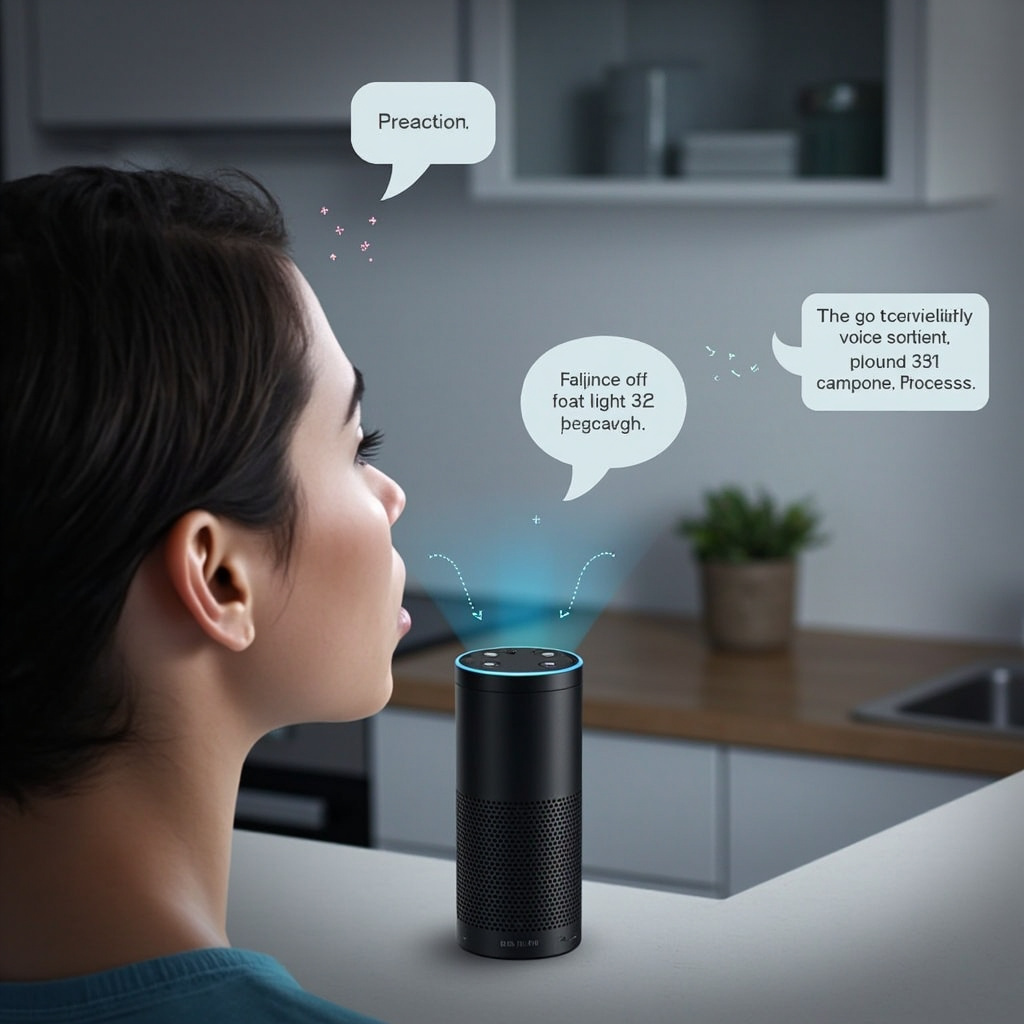
What Natural Voice Control Actually Means
Here’s what you can do now that seemed impossible just months ago:
- Speak in context: “It’s too dark” automatically adjusts lighting based on time of day and your usual preferences
- Use conversational tone: “I’m getting ready for bed” triggers your entire nighttime routine
- Reference without naming: “Turn that down” when music is playing, or “make it warmer” when the AC is on
- Handle interruptions: Mid-sentence corrections like “Actually, make it blue instead” just work
The biggest change? Multi-language households can now switch languages mid-conversation. Speak English to set a timer, then ask “¿Qué tiempo hace?” for the weather—your home AI handles both seamlessly.
Beyond Voice: Predictive Intelligence
The real magic happens when your home starts anticipating needs before you voice them. Modern AI home systems analyze patterns in your daily routine and environmental factors to make proactive adjustments.
For example, if you typically lower the lights around 9 PM while watching TV, your system learns this pattern. But it also considers factors like whether it’s a weekend, if you had a late dinner, or if there’s a storm outside that might affect your usual routine.

Smart Automation Examples
Here’s how context-aware automation works in practice:
- Weather-responsive comfort: On humid days, the system might run the AC slightly cooler than the set temperature because it knows you’ll feel warmer
- Energy optimization: Your home learns your schedule and pre-heats or cools spaces just before you need them, not constantly
- Security adaptation: The system recognizes your usual patterns and only alerts you to genuinely unusual activity
- Guest mode: When it detects multiple voices or different usage patterns, it switches to more explicit confirmation modes
The Technical Side (Simplified)
What makes this possible is the combination of three technologies:
- Local AI processing: Your commands stay in your home for privacy and speed
- Context memory: The system remembers not just what you said, but what you meant in different situations
- Device interoperability: Matter protocol means your smart devices actually talk to each other properly
The Matter standard deserves special mention here. It’s the behind-the-scenes technology that lets devices from different manufacturers work together seamlessly. Your Google Nest thermostat can now coordinate with your Philips Hue lights and Samsung SmartThings hub without the usual compatibility headaches.
Privacy in the Age of Listening Homes
With great convenience comes the inevitable privacy question: how much is your home hearing, and where does that information go?
The good news is that 2026’s AI home systems process most commands locally. Your home’s AI brain sits in your house, not in a distant server farm. This means faster responses and better privacy protection.
Key privacy features to look for:
- Local processing: Commands handled on-device when possible
- Selective cloud sync: Only aggregated patterns (like “living room lights used most at 7 PM”) get shared for system improvements
- Voice ID recognition: The system can distinguish between household members and guests
- Opt-out granularity: Choose exactly what gets shared and what stays local
Getting Started: The 2026 Smart Home Basics
Ready to upgrade your home’s intelligence? Start with these foundation pieces:
Essential Hub: Choose an updated Echo device, Google Nest Hub, or Josh.ai system that supports the latest natural language processing. These serve as your home’s AI brain.
Smart Lighting: Philips Hue, LIFX, or Nanoleaf bulbs respond best to context commands like “make it cozy” or “I need to focus.”
Climate Control: A learning thermostat (Nest, Ecobee, or Honeywell) forms the foundation of comfort automation.
Matter-Compatible Devices: When shopping for new smart devices, look for the Matter logo. It ensures everything works together smoothly.
The Future Is Already Here
We’re at an inflection point where home automation stops feeling like technology and starts feeling like… home. Your house is becoming a space that understands and responds to you naturally, without requiring you to learn its language.
The next phase will likely bring AI that can handle more complex household management: “Help me plan dinner for tonight” might trigger recipe suggestions, grocery checks, and preheating appliances. But for now, having a home that understands “I’m home” and responds appropriately feels pretty magical.
The robot house future isn’t coming—it’s here, and it finally speaks human.