AI Handwriting Recognition Hits 99% Accuracy: The Digital Revolution That Finally Works


Handwriting recognition has been a holy grail of AI for decades, but 2026 is the year it finally delivers. New AI-powered OCR tools are achieving unprecedented 99%+ accuracy rates, transforming how we digitize everything from old notes to business forms.
Gone are the days of painstakingly typing out handwritten documents. Modern AI handwriting recognition tools can now process cursive writing, multiple languages, and even messy doctor notes with remarkable precision.
The Breakthrough: From 64% to 99% Accuracy
Traditional OCR systems struggled with handwriting, typically achieving only 64% accuracy on average. The latest LLM-powered solutions have shattered this barrier, with tools like iWeaver AI and HandwritingOCR.co reporting accuracy rates above 99%.
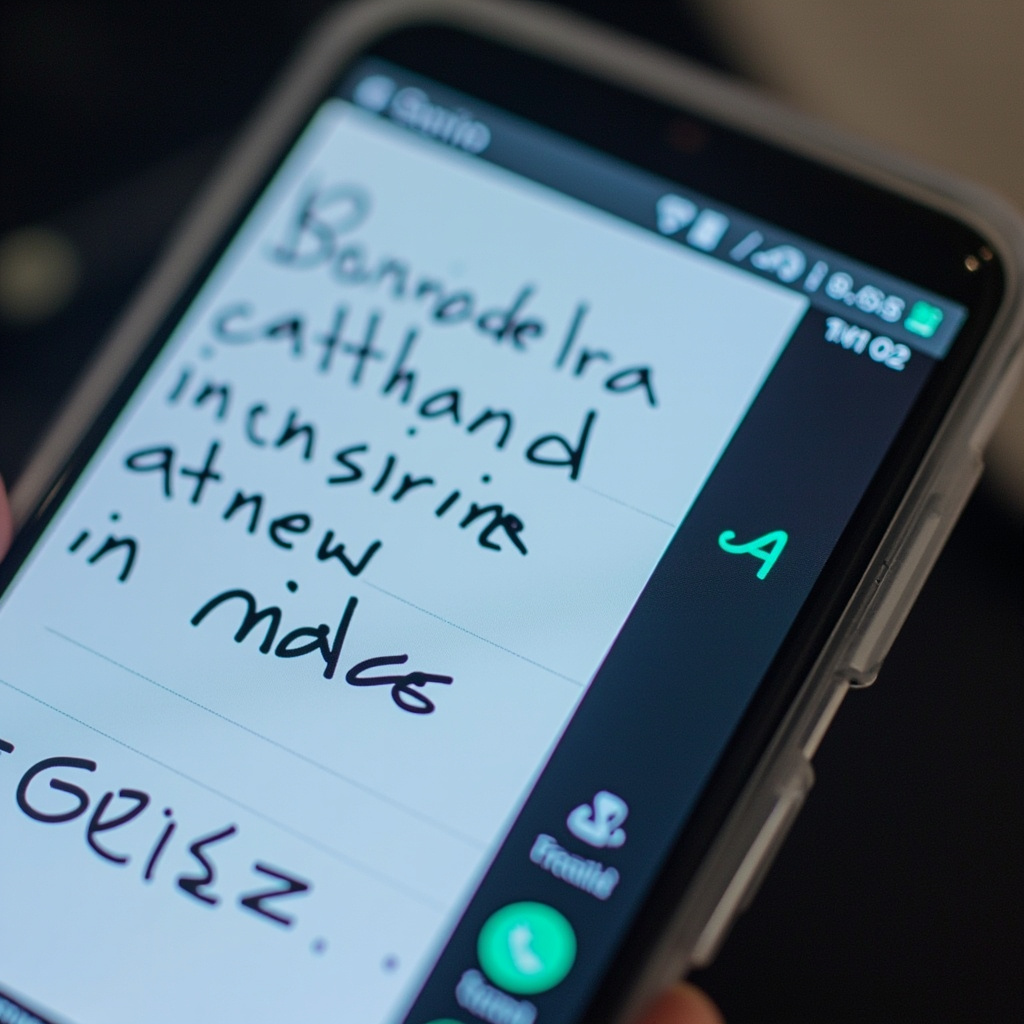
What changed? Large language models trained on massive datasets can now understand context, predict likely words, and correct errors in real-time. They don’t just read individual letters—they understand meaning.
Top AI Handwriting Tools Transforming 2026
ChatGPT 4o and GPT-5.2
OpenAI’s latest models can analyze handwriting directly from photos. Simply snap a picture of your notes, and ChatGPT can transcribe, summarize, or even provide feedback on your writing style.
HandwritingOCR.co
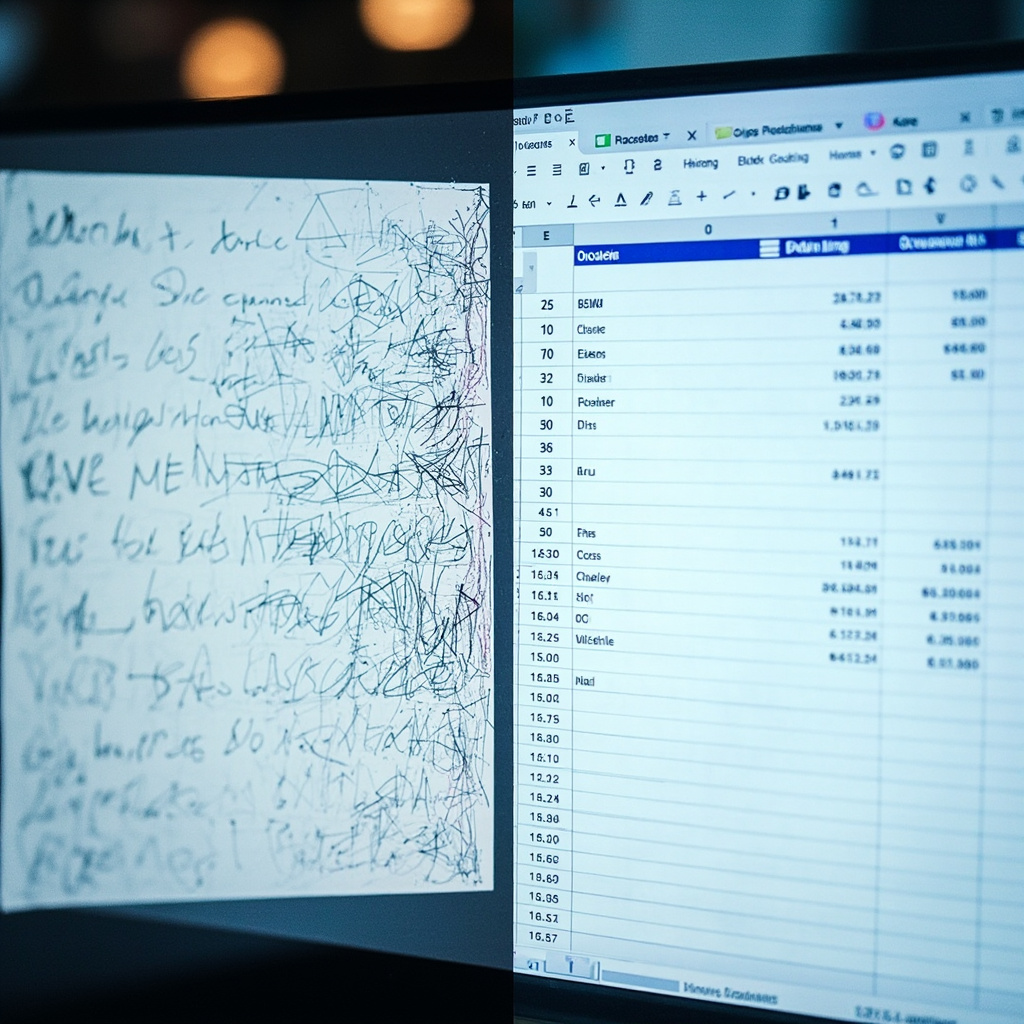
Launched just days ago, this specialized platform converts handwritten documents into structured spreadsheets and searchable text. Perfect for businesses digitizing forms, surveys, and records.
iWeaver AI
Enterprise-grade handwriting recognition with unmatched accuracy and integration capabilities. Handles multiple languages and can process thousands of documents in batch.
Transkribus
Originally designed for historical documents, Transkribus has evolved into a powerful tool for modern handwriting recognition with custom model training capabilities.
Real-World Applications That Matter
The implications extend far beyond digitizing old notebooks:
- Healthcare: Instantly digitize patient forms and doctor notes
- Education: Convert handwritten assignments into searchable text
- Legal: Process handwritten contracts and legal documents
- Research: Digitize historical manuscripts and archives
- Personal: Convert journal entries and meeting notes
How to Get Started Today
The barrier to entry has never been lower. Most AI handwriting tools offer free tiers or trials:
- Start simple: Try ChatGPT with a photo of your handwritten notes
- For business: Test HandwritingOCR.co with sample forms
- Batch processing: Consider iWeaver AI for large-scale digitization
- Custom needs: Explore Transkribus for specialized applications
The Future is Handwritten (and Digital)
We’re witnessing the final convergence of analog and digital workflows. AI handwriting recognition isn’t just a convenience—it’s unlocking decades of trapped information in handwritten form.
Whether you’re a student with years of lecture notes, a business with paper forms, or a researcher with historical documents, 2026 is the year to finally make that digital leap. The technology is ready, accurate, and surprisingly affordable.
The revolution in handwriting recognition is here. The only question is: what will you digitize first?