AI Agents in 2026: The Autonomous Assistants Transforming Your Daily Workflow


The future of productivity is here, and it has a name: AI agents. These autonomous digital assistants are revolutionizing how we work, schedule, and manage our daily tasks. Unlike traditional AI chatbots that wait for your commands, AI agents proactively handle complex workflows, make decisions, and execute actions on your behalf.
What Are AI Agents and Why 2026 is Their Breakthrough Year
AI agents represent a fundamental shift from reactive tools to proactive thinking systems. Microsoft describes this evolution as moving from “tools to thinking systems with memory and agents” embedded directly into Windows and Office applications. These digital partners remember your preferences, learn from your habits, and execute complex workflows without constant supervision.
The key difference? Traditional AI tools respond to your requests. AI agents anticipate your needs and act autonomously within defined parameters. They can coordinate between multiple applications, handle multi-step processes, and even collaborate with other AI agents to complete complex tasks.
Game-Changing Applications for Everyday Users
Smart Scheduling That Actually Works
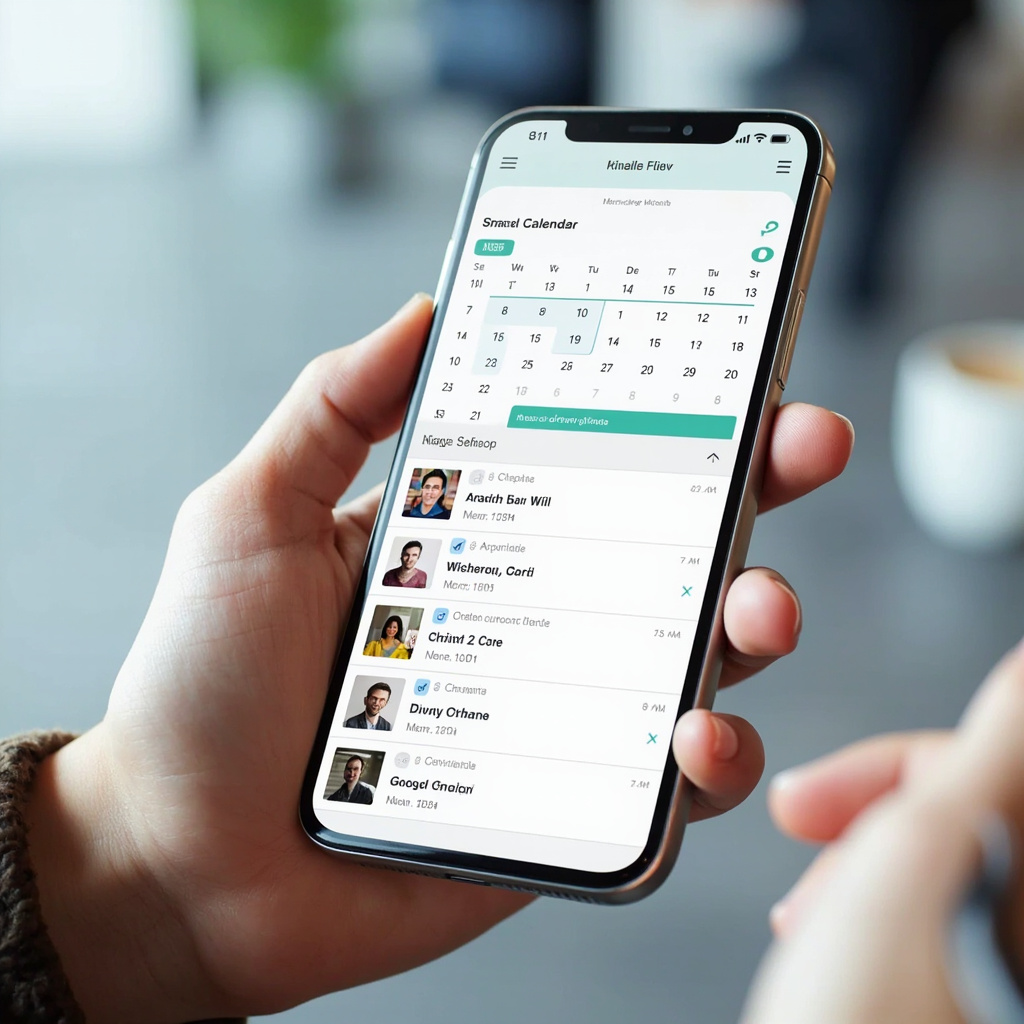
Imagine an AI agent that doesn’t just schedule meetings—it negotiates with attendees’ calendars, finds optimal time slots across time zones, books conference rooms, sends prep materials, and even reschedules automatically when conflicts arise. These scheduling agents capture behavioral patterns and environmental signals to make intelligent decisions about when you’re most productive for different types of meetings.
Leading platforms like Microsoft 365 Copilot are rolling out agentic capabilities that handle the entire meeting lifecycle, from initial scheduling to follow-up actions. The agent learns that you prefer morning meetings for strategic discussions but afternoon slots for routine check-ins.
Email Management Revolution

Email AI agents go far beyond sorting your inbox. They can draft responses in your voice, prioritize urgent messages, schedule follow-ups, extract action items, and even coordinate with your calendar agent to schedule meetings mentioned in conversations. The most advanced systems learn your communication patterns and can handle routine correspondences entirely autonomously.
These agents don’t just filter spam—they understand context, urgency, and relationships. They can recognize when an email requires your personal attention versus when they can handle the response themselves, always keeping you in the loop on important decisions.
Project Coordination Across Platforms
AI agents excel at connecting disconnected workflows. They can monitor project management tools, update status reports, coordinate team communications, and ensure deliverables stay on track. If a deadline slips in one system, the agent automatically adjusts dependent tasks, notifies relevant stakeholders, and proposes alternative timelines.
The Enterprise Advantage: Multi-Agent Orchestration
The most powerful implementations involve multiple AI agents working together. Kore.ai and similar platforms offer multi-agent orchestration engines that act as control layers across enterprise tech stacks. These systems enable different specialized agents to collaborate, hand off context, and execute tasks with varying levels of autonomy.
For example, one agent might monitor customer support tickets while another handles inventory management. When a customer complaint relates to a product shortage, the agents automatically coordinate to provide accurate delivery estimates and proactive customer communication.
Privacy and Control: The Human-in-the-Loop Approach
Despite their autonomous capabilities, the best AI agents maintain human oversight. They operate within defined parameters, provide transparency into their decision-making, and always offer the option for human intervention. This “human-in-the-loop” approach ensures you maintain control while benefiting from AI efficiency.
Enterprise-grade platforms prioritize security and privacy, with agents operating within strict data governance frameworks. Your personal information stays protected while agents handle routine tasks that previously consumed hours of your day.
Getting Started with AI Agents Today
While full agentic capabilities are still rolling out, you can start preparing now:
- Evaluate your repetitive tasks: Identify workflows that involve multiple steps across different applications
- Clean up your digital workspace: AI agents work better with organized calendars, email folders, and project structures
- Start with simple automation: Use existing tools like Zapier or Microsoft Power Automate to connect applications
- Define your preferences: Begin documenting your work patterns, communication style, and decision-making criteria
The Road Ahead: What to Expect in 2026
Industry analysts predict that by late 2026, AI agents will handle up to 40% of routine business tasks for knowledge workers. Microsoft is embedding agentic capabilities directly into Windows, while specialized platforms are emerging for everything from financial planning to content creation.
The key is finding the right balance between automation and control. The most successful implementations will be those that enhance human capabilities rather than replace human judgment.
AI agents represent more than just productivity gains—they offer the promise of reclaiming time for strategic thinking, creative work, and meaningful relationships. As these systems mature throughout 2026, the question isn’t whether you’ll use AI agents, but how quickly you can adapt your workflows to benefit from their capabilities.