AI Home Automation Tools: Transform Your Smart Home with Intelligent Assistants in 2026


Smart homes are getting smarter, and artificial intelligence is leading the charge. In 2026, AI-powered home automation tools have evolved from simple voice commands to sophisticated systems that learn your habits, anticipate your needs, and create truly intelligent living spaces.
Gone are the days when “smart home” meant just turning lights on and off with your phone. Today’s AI home automation tools create ecosystems that think ahead, save energy, and make your daily routines effortlessly smooth.
The New Generation of AI Home Assistants
Google Nest Hub with Gemini Integration has become the central nervous system for many smart homes. The 2026 version doesn’t just respond to commands—it observes patterns and makes proactive suggestions. When it notices you always dim the lights at 8 PM while watching TV, it starts doing it automatically while gently asking if you’d like to make it a routine.
Amazon Echo with Advanced Alexa now features contextual awareness that’s genuinely impressive. It can distinguish between different family members’ voices and adjust responses accordingly. When your teenager asks about homework help, it offers study resources. When you ask about the weather, it includes pollen counts because it knows about your allergies from previous conversations.
Apple HomeKit with enhanced Siri has finally caught up in the home automation race. The seamless integration between your iPhone, Apple Watch, and home devices creates an ecosystem where your intentions are anticipated across all your devices.
AI-Powered Climate Control That Actually Works
Ecobee SmartThermostat with AI Insights goes beyond traditional programming. It learns when different rooms are occupied, factors in outdoor weather patterns, and even considers your calendar. If it sees a dinner party on your calendar, it pre-cools the house because it knows more people means more heat.
Nest Learning Thermostat Pro with its enhanced AI algorithms can now predict seasonal changes and adjust heating and cooling patterns weeks in advance. Users report average energy savings of 23% compared to traditional programmable thermostats.
Honeywell T10 Pro Smart Thermostat introduces “comfort prediction” that analyzes humidity, air quality, and even your sleep patterns to maintain optimal comfort levels automatically.
Intelligent Security That Thinks Ahead
Ring AI-Enhanced Cameras now distinguish between family members, regular visitors, delivery drivers, and potential threats. The system learns your family’s routines and only alerts you to genuinely unusual activity. No more notifications every time the neighbor walks their dog.
Arlo Pro 5 with AI Detection features advanced behavioral analysis. It can detect if someone is acting suspiciously—lingering too long, trying door handles, or peering into windows—rather than just motion detection.
SimpliSafe AI Monitoring combines traditional security with predictive intelligence. It learns your family’s patterns and can distinguish between normal activity and potential break-ins with remarkable accuracy.

Smart Lighting That Adapts to Your Life
Philips Hue with Adaptive Lighting automatically adjusts color temperature throughout the day to support your circadian rhythm. It brightens gradually in the morning, provides energizing light during work hours, and shifts to warm tones in the evening.
LIFX AI Bulbs can sync with your calendar and activities. Working late? They provide focused task lighting. Movie night? They create the perfect ambiance automatically.
Nanoleaf Learning Panels create dynamic lighting scenes that respond to music, weather, and even your mood as detected through smartphone sensors and wearable devices.
Kitchen AI That Makes Cooking Effortless
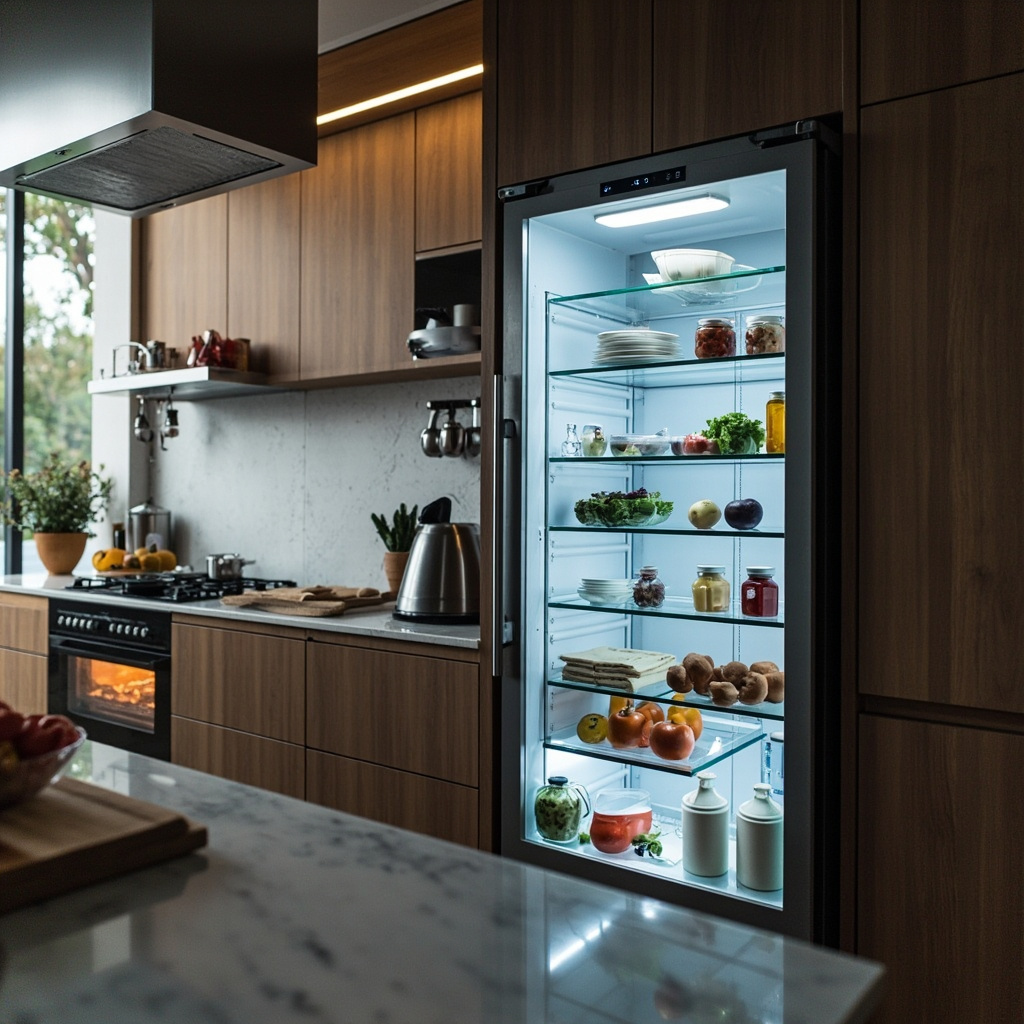
Samsung Smart Refrigerator with AI Vision tracks what food you have, suggests recipes based on expiration dates, and can even order groceries when you’re running low on essentials.
June Intelligent Oven recognizes different foods and adjusts cooking parameters automatically. It can distinguish between a frozen pizza and fresh vegetables, applying the perfect time and temperature for each.
Whirlpool Smart Appliances work together as a connected ecosystem. Your dishwasher can communicate with your refrigerator to suggest the best time to run a cycle based on your daily routine and energy costs.
AI-Powered Entertainment Centers
Sonos Arc with AI Audio automatically adjusts sound based on room acoustics and what you’re watching. It enhances dialogue during quiet scenes and optimizes surround sound for action sequences.
LG OLED TV with AI Picture analyzes content in real-time, optimizing picture settings for movies, sports, games, or streaming content automatically.
Apple TV 4K with enhanced AI recommendations learns viewing patterns across your entire household and suggests content that different family members might enjoy together.
Energy Management That Saves Money
Tesla Powerwall with AI Optimization learns your energy usage patterns and automatically stores solar energy when it’s most efficient and releases it when electricity rates are highest.
Sense Home Energy Monitor uses machine learning to identify individual appliances and their energy usage, helping you understand and reduce your electricity costs.
Emporia Vue Smart Home Monitor provides AI-powered insights that can identify energy waste and suggest specific changes to reduce your monthly bills.
Getting Started with AI Home Automation
Start Small: Begin with one room or one type of device. A smart thermostat or a few smart bulbs can demonstrate the value before you invest in a full system.
Choose Your Ecosystem: Decide whether you want to build around Google, Amazon, Apple, or remain platform-agnostic. Each has strengths, but consistency within an ecosystem provides the best experience.
Prioritize Privacy: Look for devices that process data locally when possible, and always review privacy policies before connecting devices to your network.
Plan for Growth: Choose devices that can integrate with other systems. Today’s smart switch should work with tomorrow’s AI assistant upgrade.
The Future is Already Here
AI home automation in 2026 isn’t science fiction—it’s practical technology that genuinely improves daily life. These tools learn your preferences, anticipate your needs, and create living spaces that adapt to you rather than requiring constant manual adjustment.
The key is choosing tools that solve real problems in your specific situation. Whether that’s saving energy, improving security, or just making daily routines more convenient, AI home automation tools are finally sophisticated enough to deliver on their promises.
Start with the areas that frustrate you most in your current home setup. Let AI handle the thinking so you can focus on living.