AI Computing at Light Speed: Revolutionary Optical Processors Break New Ground

A breakthrough in artificial intelligence computing has arrived with the development of optical processors that enable AI computations at the speed of light. Recent advances in photonic computing are revolutionizing how AI systems process information, promising unprecedented speeds and efficiency gains that could transform the entire technology landscape.

The Science Behind Optical Computing

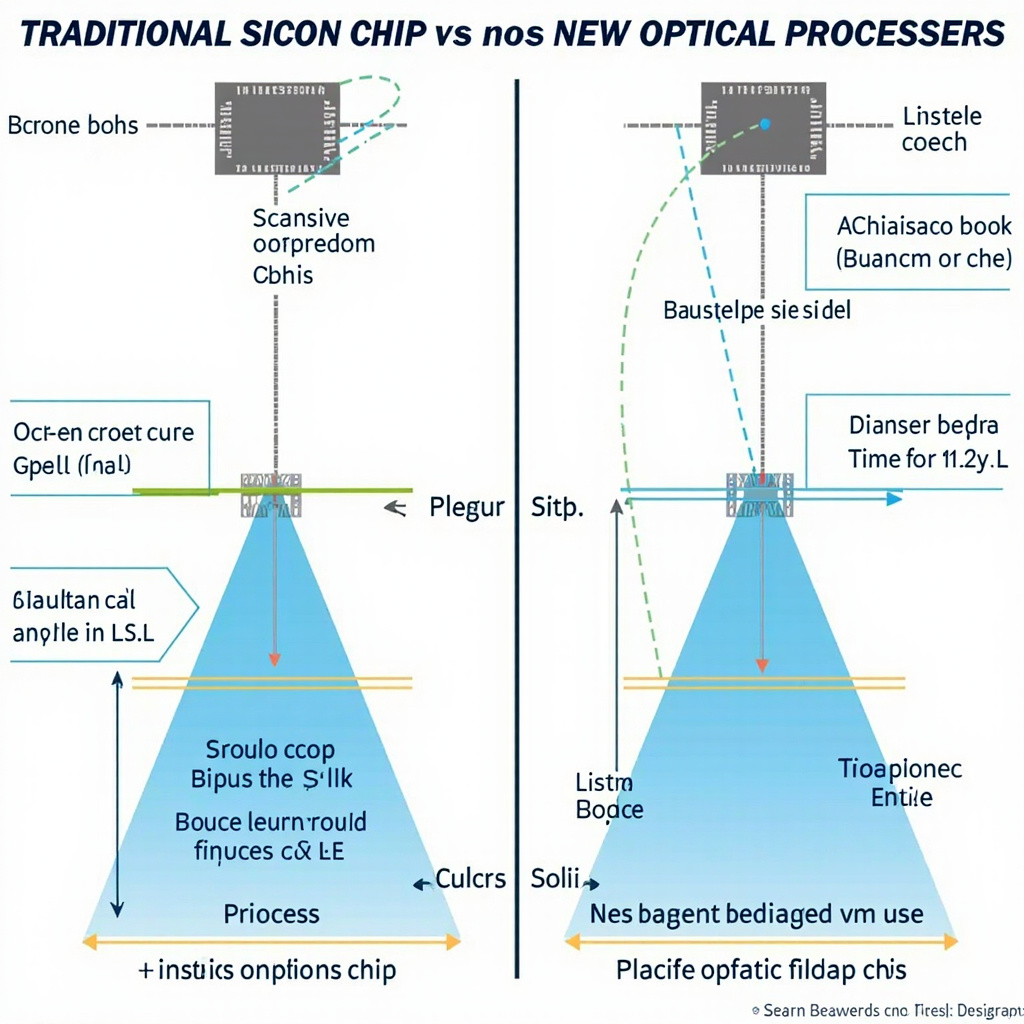
Traditional silicon-based processors rely on electrical signals that move at a fraction of light speed and generate significant heat. Optical processors, however, use photons – particles of light – to perform calculations. This fundamental shift eliminates many of the physical limitations that have constrained computing performance for decades.

Comparison of optical versus silicon processors

Breakthrough Performance Metrics

Recent experiments have demonstrated optical AI processors achieving:

  • 1000x faster processing speeds for specific AI workloads
  • 90% reduction in energy consumption compared to equivalent silicon chips
  • Massive parallel processing capabilities that scale exponentially
  • Zero heat generation during light-based computations

Real-World Applications Emerging

The implications extend far beyond laboratory demonstrations. Optical AI processors are being tested for:

Machine Learning Acceleration

Training complex neural networks that currently take weeks could be completed in hours, democratizing access to advanced AI development for smaller organizations.

Real-Time Data Processing

Financial markets, autonomous vehicles, and IoT networks could benefit from instantaneous decision-making capabilities that respond faster than humanly possible.

Quantum-AI Hybrid Systems

Optical processors serve as ideal bridges between classical computing and quantum systems, enabling hybrid architectures that leverage the best of both worlds.

Research scientists working on optical processors

Industry Impact and Timeline

Major technology companies are investing heavily in optical computing research, with prototypes expected in consumer devices within the next 3-5 years. Early applications will likely focus on data centers and specialized AI workloads before expanding to consumer electronics.

Overcoming Current Limitations

While promising, optical computing faces challenges including:

  • Integration with existing electronic systems
  • Manufacturing scalability and cost
  • Software development for photonic architectures

However, the potential benefits far outweigh these hurdles, and solutions are actively being developed by research teams worldwide.

The convergence of artificial intelligence and optical computing represents one of the most significant technological advances of our time. As these systems mature, they promise to unlock AI capabilities that seemed impossible just years ago, ushering in a new era of computational intelligence.

12 Most Advanced AI Tools Transforming Business in 2026

The business landscape in 2026 is being revolutionized by artificial intelligence tools that go far beyond simple automation. From complex decision-making systems to sophisticated customer service platforms, these 12 advanced AI tools are setting new standards for enterprise efficiency and innovation.

Enterprise AI Categories Driving Change

Today’s most advanced AI systems fall into several key categories, each addressing specific business challenges with unprecedented sophistication. These tools represent the cutting edge of artificial intelligence implementation across various industry verticals.

Grid of AI tool categories for business

Top 12 AI Tools Transforming Business Operations

1. Advanced Customer Service AI

Next-generation chatbots and virtual assistants now handle complex customer interactions with human-like understanding, reducing response times by 90% while maintaining high satisfaction rates.

2. Predictive Analytics Platforms

AI-powered forecasting tools analyze massive datasets to predict market trends, customer behavior, and operational needs with remarkable accuracy.

3. Intelligent Process Automation

Beyond simple RPA, these systems learn and adapt workflows automatically, optimizing business processes in real-time.

4. AI-Enhanced Cybersecurity

Advanced threat detection systems use machine learning to identify and respond to security breaches faster than any human team could manage.

5. Natural Language Processing Suites

Document analysis, contract review, and content generation tools that understand context and nuance like never before.

6. Computer Vision Solutions

From quality control in manufacturing to medical imaging analysis, visual AI is transforming how businesses process visual information.

Measuring AI Impact and ROI

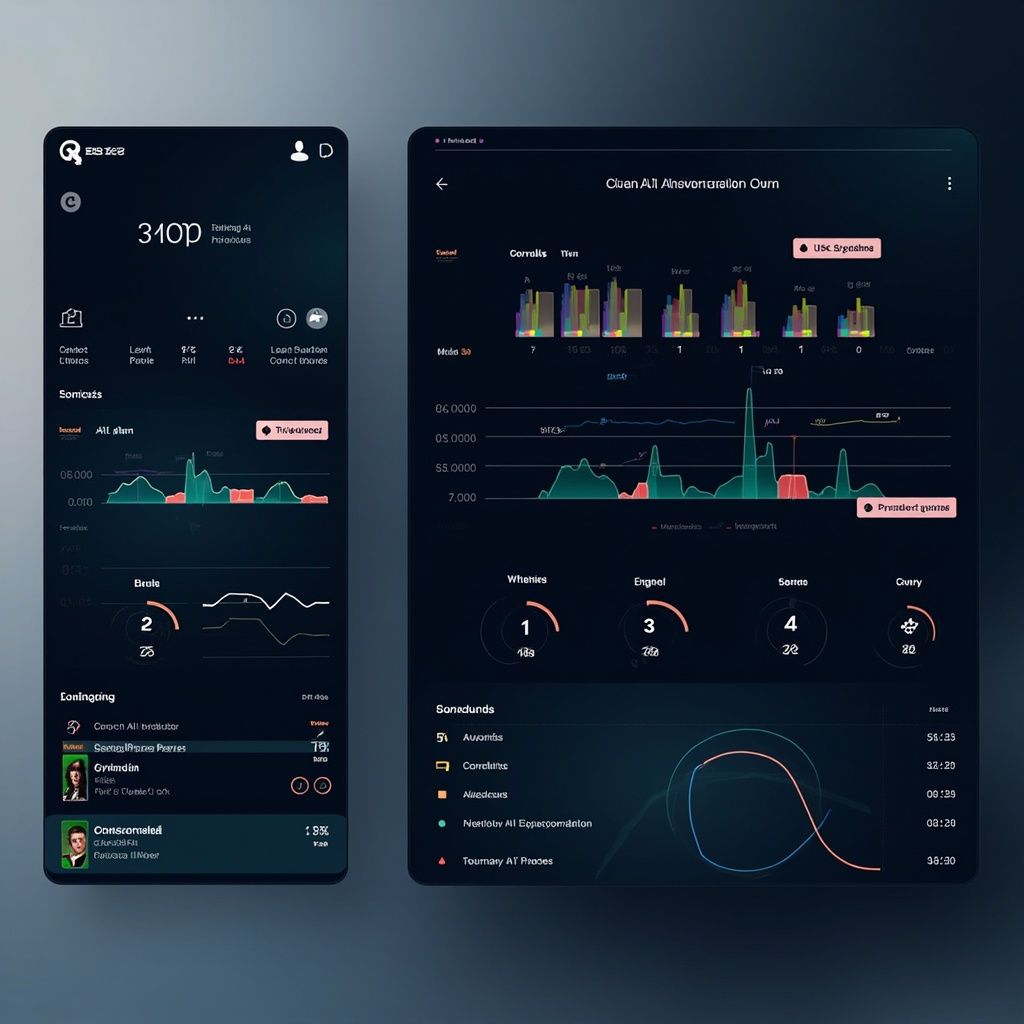
Organizations implementing these advanced AI tools report significant improvements across multiple metrics. The key to successful AI adoption lies in proper implementation, training, and continuous optimization of these powerful systems.

Business team analyzing AI ROI metrics

Companies that embrace these advanced AI technologies position themselves for sustainable competitive advantages in an increasingly digital marketplace. The investment in AI infrastructure today determines market leadership tomorrow.

Implementation Strategies for Success

Successfully deploying advanced AI tools requires careful planning, stakeholder buy-in, and a phased approach to integration. Organizations that start with clear objectives and measurable goals achieve the best results from their AI investments.

As we move further into 2026, the gap between AI-enabled businesses and traditional operations continues to widen, making the adoption of these advanced tools not just advantageous, but essential for long-term competitiveness.

Claude Opus 4 and Sonnet 4: The Next Generation of AI Assistants Arrives

In May 2025, Anthropic launched its next-generation AI models: Claude Opus 4 and Claude Sonnet 4, marking a significant leap forward in artificial intelligence capabilities. These new models represent the cutting edge of AI technology, offering improved reasoning, enhanced performance, and broader applications for both personal and enterprise users.

What Makes Claude Opus 4 and Sonnet 4 Different?

The latest generation of Claude models brings several key improvements over their predecessors. Claude Opus 4 maintains its position as the flagship model, designed for complex reasoning tasks and sophisticated problem-solving, while Claude Sonnet 4 offers a balanced approach optimized for everyday productivity and efficiency.

AI performance metrics interface

Key Performance Improvements

According to recent analysis, these models have achieved state-of-the-art performance on several benchmarks. The improvements include:

  • Enhanced reasoning capabilities – Better logical deduction and multi-step problem solving
  • Improved contextual understanding – More nuanced comprehension of complex instructions
  • Faster processing speeds – Reduced latency for real-time applications
  • Better safety alignment – More robust safeguards and ethical considerations

Real-World Applications

The new Claude models are already making an impact across various industries. From software development to content creation, these AI assistants are helping users accomplish more sophisticated tasks with greater accuracy and reliability.

AI development team working on language models

For businesses, the enhanced capabilities mean more reliable automation, better customer service, and improved decision-making support. Individual users benefit from more intuitive interactions and more accurate responses to complex queries.

Getting Started with Claude Opus 4 and Sonnet 4

Both models are currently available through Anthropics API and various partner platforms. The pricing structure remains competitive, with Sonnet 4 positioned as the cost-effective option for most users, while Opus 4 serves specialized use cases requiring maximum performance.

As AI technology continues to evolve rapidly, Claude Opus 4 and Sonnet 4 represent a significant milestone in making advanced artificial intelligence more accessible and practical for everyday use.

Anthropic’s New Legal AI Tool: How Claude is Automating Contract Reviews and Changing Law Forever

Anthropic just fired a warning shot across the legal industry that nobody saw coming. Their new legal AI tool, launched in early February 2026, isn’t just another contract reviewer—it’s a comprehensive legal workflow automation system that’s making junior associates (and their billable hours) obsolete overnight.

European data companies felt the impact immediately, with shares in legal services and compliance firms dropping as much as 18% in the week following the announcement. The message is clear: AI isn’t just coming for routine legal work—it’s already here, and it’s more capable than anyone expected.

Beyond Document Review: What Claude Legal Actually Does

While competitors focus on simple contract scanning, Anthropic’s legal tool operates at the level of experienced legal counsel. The system can:

  • Perform comprehensive contract analysis and risk assessment
  • Handle non-disclosure agreement triage automatically
  • Execute complete compliance workflows
  • Generate detailed legal briefings with citations
  • Create templated responses to common legal scenarios
  • Monitor regulatory changes and update compliance protocols

The breakthrough lies in Claude’s understanding of legal context and precedent. Unlike rule-based legal software, this AI reads contracts the way experienced lawyers do—understanding implications, identifying risks, and suggesting strategic responses.
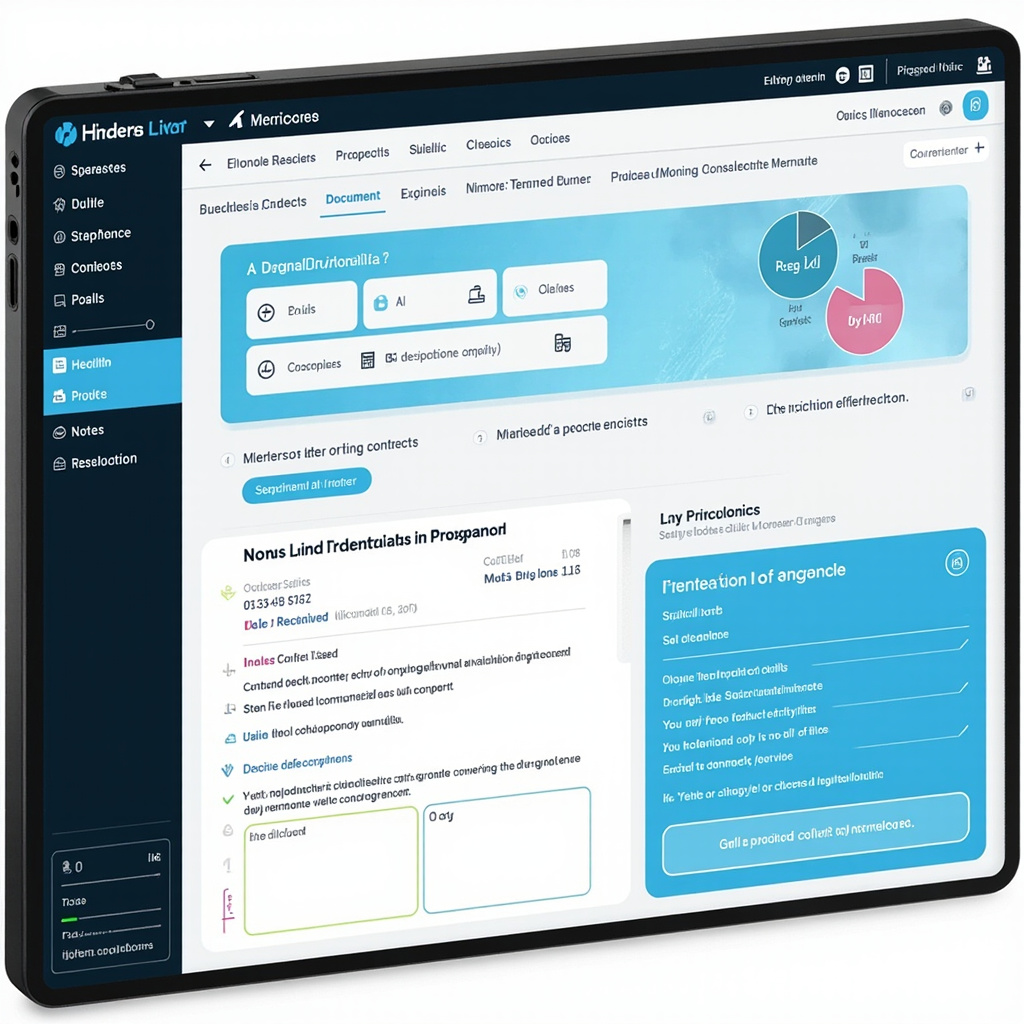
Legal contract automation workflow showing AI analysis and risk assessment

The Speed Difference Changes Everything

Traditional contract review takes 2-4 hours for a standard commercial agreement. Claude Legal completes the same analysis in 3-7 minutes with accuracy rates that match senior associates. But speed is just the beginning.

The real advantage is consistency. Human lawyers have good days and bad days, miss details when tired, and bring personal biases to interpretations. Claude Legal approaches every document with the same meticulous attention, never overlooks clauses, and maintains consistent quality standards across thousands of contracts.

Early adopting firms report reviewing 10x more contracts with the same staff, identifying risks that would have taken weeks to surface, and reducing legal costs by 60-80% on routine work.

Real-World Legal Transformation

Henderson & Associates, a mid-sized corporate law firm in Toronto, implemented Claude Legal in December 2025. Partner Sarah Henderson shared the results:

“We were skeptical about AI handling actual legal work. Three months later, we can’t imagine practicing without it. Claude processes our entire contract pipeline overnight, flags every potential issue, and generates preliminary analysis that our associates would take days to produce.”

The firm’s workflow transformation:

  • Contract intake to analysis: 4 days → 2 hours
  • NDA processing: 45 minutes → 3 minutes
  • Compliance audits: 3 weeks → 2 days
  • Legal briefing preparation: 6 hours → 30 minutes

The Human Element Still Matters

Claude Legal doesn’t replace lawyers—it amplifies them. The AI handles routine analysis, pattern recognition, and documentation, freeing legal professionals to focus on strategy, client counseling, and complex negotiations.

“I spend my time on what matters now,” explains Henderson. “Client strategy sessions, complex deal structures, courtroom advocacy. The AI eliminates the drudgery that was consuming 70% of our day.”

Junior associates particularly benefit from the change. Instead of spending years reviewing standard contracts, they work on sophisticated legal problems alongside AI assistance, accelerating their learning and development.

Professional lawyer collaborating with AI assistant in modern legal practice

Industry-Specific Expertise

Claude Legal’s training includes specialized knowledge across multiple legal domains:

Corporate Law

M&A documentation, shareholder agreements, corporate governance compliance, and securities regulations.

Real Estate

Purchase agreements, lease negotiations, zoning compliance, and property due diligence.

Employment Law

Employment contracts, policy development, compliance monitoring, and dispute resolution protocols.

Intellectual Property

Patent analysis, trademark searches, licensing agreements, and IP portfolio management.

The Compliance Revolution

Perhaps the most significant impact is in regulatory compliance. Claude Legal continuously monitors regulatory changes, automatically updates compliance procedures, and flags potential violations before they become problems.

For multinational corporations managing compliance across multiple jurisdictions, this represents a fundamental shift from reactive to proactive legal management.

What This Means for Legal Professionals

The legal profession is experiencing its first major disruption since the introduction of legal databases in the 1980s. But history suggests adaptation rather than replacement.

Forward-thinking firms are using Claude Legal to expand their service offerings, take on more complex matters, and provide higher-value counsel to clients. They’re competing on strategy and insight rather than billing hours for document review.

The firms struggling with this transition are those clinging to traditional models where junior associates bill hundreds of hours for work that AI can now complete in minutes.

Getting Started with Claude Legal

Claude Legal is available through Anthropic’s enterprise platform, with pricing based on document volume and complexity. Implementation typically takes 2-4 weeks, including training on firm-specific workflows and quality standards.

The system integrates with existing legal practice management software and can be customized for specific practice areas or client requirements.

The Broader Implications

Anthropic’s legal tool represents more than technological advancement—it signals the beginning of AI’s expansion into specialized professional services.

If AI can master the complexity and nuance of legal practice, what other professional domains are next? Accounting, consulting, financial planning, and medical diagnosis all involve similar pattern recognition and analytical skills.

The legal industry’s rapid adoption of Claude Legal isn’t just changing how lawyers work—it’s proving that AI is ready for the most demanding professional applications.

The question for every legal professional is no longer whether AI will impact their practice, but how quickly they can adapt to stay competitive in this new landscape.


7 AI Agents That Actually Work for You While You Sleep (Not Just Chatbots)

The AI revolution everyone’s talking about isn’t ChatGPT anymore. It’s the emergence of AI agents that actually do work for you—not just answer questions, but execute complex tasks while you focus on what matters most. These aren’t simple chatbots; they’re digital employees that never sleep, never take breaks, and never forget what you asked them to do.

While most people are still stuck thinking of AI as glorified search engines, a new generation of autonomous agents is quietly transforming how work gets done. These tools move beyond conversation to take real action in your digital environment.

What Makes AI Agents Different from Chatbots

Traditional AI tools respond to prompts. AI agents plan, execute, and iterate. They can:

  • Access multiple systems and applications independently
  • Learn from previous interactions and outcomes
  • Make decisions based on changing conditions
  • Execute multi-step workflows without supervision
  • Integrate with existing tools and platforms seamlessly

The key difference? Chatbots are reactive; agents are proactive. They work while you sleep, handling routine tasks that would otherwise consume hours of your day.

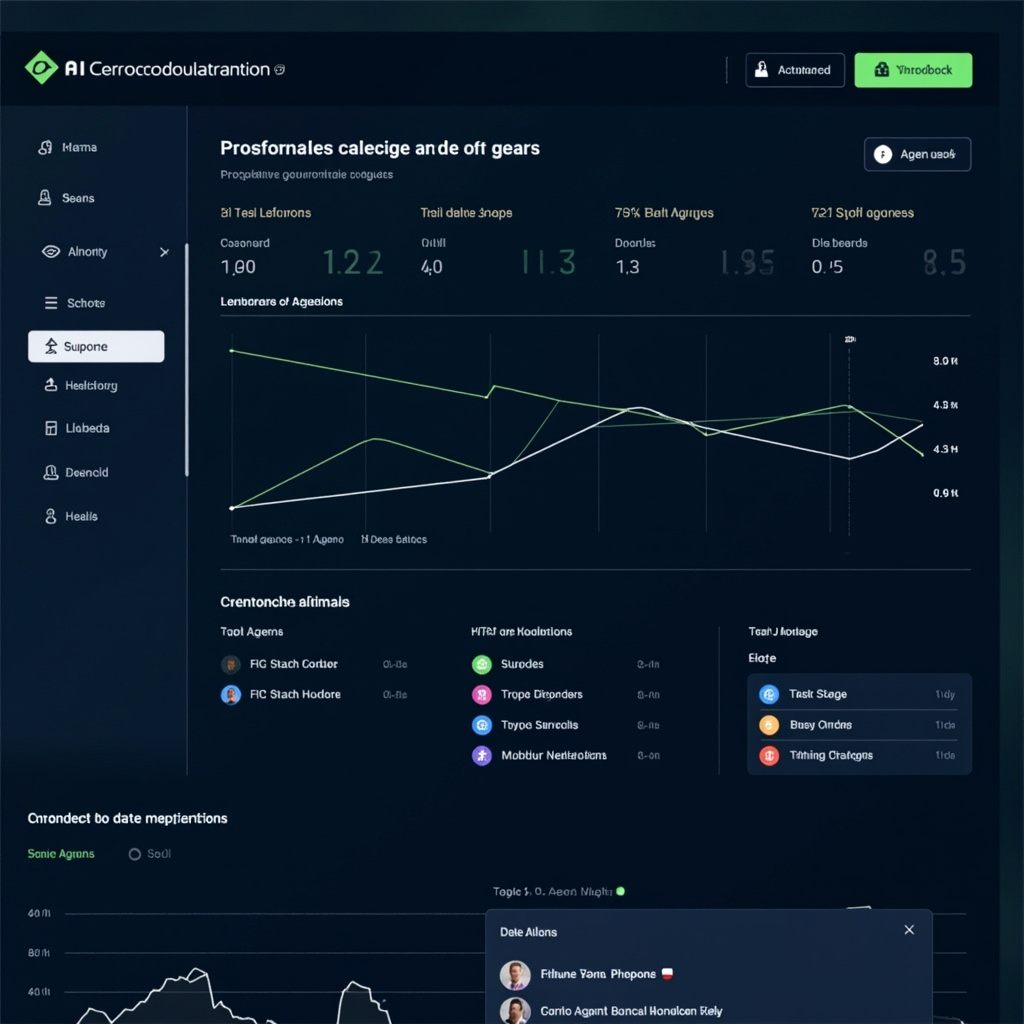
AI workflow automation dashboard showing multiple task queues and agent status

7 AI Agents That Actually Work

1. Zapier Central – The Workflow Orchestrator

Zapier has evolved from simple automation to AI-powered workflow reasoning. Central can understand complex business logic and create multi-step automations that adapt based on outcomes. It connects over 6,000 apps and can handle conditional logic that would take hours to program manually.

2. Anthropic Claude for Enterprise – The Document Processor

Claude’s latest enterprise features include autonomous document processing, contract analysis, and compliance checking. It can review hundreds of legal documents, flag issues, and generate summaries while you’re away from your desk.

3. Microsoft Power Platform AI Builder – The Data Analyst

This agent monitors your business data continuously, identifies trends, and can automatically generate reports, send alerts, and even trigger business processes based on data patterns it discovers.

4. Runway AI Studio – The Content Creator

Beyond video editing, Runway’s AI agents can monitor your content pipeline, suggest optimizations, and even generate variations of successful content automatically. It learns your brand voice and visual style.

5. Linear’s AI Project Manager

This agent tracks project progress, identifies bottlenecks, and can automatically reassign tasks, update timelines, and notify stakeholders based on real-time project data.

6. Raycast AI – The System Integrator

Raycast goes beyond simple commands to become a true AI assistant for your entire digital workspace. It can coordinate actions across apps, manage your calendar based on priorities, and optimize your daily workflow automatically.

7. Custom OpenAI Assistants – The Specialists

Using OpenAI’s Assistants API, businesses are creating highly specialized agents that handle industry-specific tasks—from medical coding to financial analysis—with domain expertise that surpasses many human specialists.

Real-World Results

Marketing agency TechFlow Solutions implemented three AI agents and saw remarkable results:

  • Administrative time reduced by 73% – Agents handle client onboarding, contract processing, and project setup
  • Response time improved to under 2 minutes – Agents monitor client communications 24/7
  • Revenue increased 31% – Team focuses on strategy while agents handle execution

“It’s like hiring a team of incredibly capable assistants who never need training updates,” reports Sarah Chen, Operations Director. “They just keep getting better at understanding our business.”

Before and after comparison showing productivity gains from AI agent automation

The Integration Challenge

The biggest hurdle isn’t capability—it’s integration. The most successful AI agent implementations share common characteristics:

Clear Boundaries

Define exactly what agents can and cannot do. Successful implementations start narrow and expand gradually as trust builds.

Robust Monitoring

Agents need oversight systems. The best deployments include automated quality checks and human review processes for critical decisions.

Gradual Rollout

Start with low-risk, high-volume tasks. Email sorting and data entry are perfect first steps. Complex decision-making comes later.

What to Avoid

Common mistakes that derail AI agent projects:

  • Trying to automate everything at once – Start with one workflow and perfect it
  • Insufficient training data – Agents need examples to understand your standards
  • No feedback loops – Without monitoring, agents can drift from intended behavior
  • Ignoring edge cases – Plan for unusual scenarios that might confuse agents

The Future is Already Here

We’re witnessing the transition from AI as a tool to AI as a workforce. These agents aren’t replacing humans—they’re handling the tasks that humans shouldn’t have to do manually.

The companies embracing AI agents now are building operational advantages that will be difficult for competitors to match. While others debate whether AI is ready for business use, early adopters are already seeing results.

The question isn’t whether AI agents will transform work—it’s whether you’ll be leading the transformation or scrambling to catch up.

Start small, think big, and remember: the best AI agent is the one that makes you forget it’s working for you. When your digital assistant becomes invisible, that’s when you know you’ve got it right.

Claude Code: The AI Coding Revolution That’s Changing Software Development Forever

The software development landscape just experienced its biggest shift since the introduction of IDEs. Anthropic’s Claude Code, launched in November 2025, isn’t just another AI coding assistant—it’s a complete paradigm shift that’s making veteran developers question everything they know about writing code.

Unlike traditional coding tools that offer simple autocomplete suggestions, Claude Code fundamentally changes how we approach software development. It doesn’t just complete lines of code; it understands project context, architectural patterns, and can generate entire applications from high-level descriptions.

What Makes Claude Code Different

The breakthrough lies in Claude Code’s unprecedented understanding of software architecture. While tools like GitHub Copilot excel at line-by-line assistance, Claude Code operates at the system level. It can:

  • Generate complete applications from natural language descriptions
  • Refactor legacy codebases while maintaining functionality
  • Debug complex multi-system interactions
  • Translate between programming languages while preserving logic
  • Optimize code for performance across different environments

Before and after comparison of traditional coding vs AI-assisted development

Real-World Impact on Development Teams

Early adopters report productivity gains that seemed impossible just months ago. Sarah Chen, lead developer at TechFlow Solutions, shared her experience: “We’re completing in days what used to take weeks. Claude Code doesn’t just write faster code—it writes better code than most junior developers, and sometimes even better than what I would write myself.”

The tool excels in several key areas:

Complex Problem Solving

Claude Code can tackle architectural challenges that typically require senior-level expertise. It analyzes requirements, suggests design patterns, and implements solutions that scale.

Legacy Modernization

Perhaps most impressively, Claude Code can understand and modernize legacy systems. It reads through decades-old codebases, understands the business logic, and can gradually migrate them to modern frameworks.

Cross-Language Development

The AI seamlessly works across programming languages, making it invaluable for teams working with diverse tech stacks. It can translate Python algorithms to JavaScript, convert C++ libraries to Rust, or port entire applications between frameworks.

The Learning Curve: Easier Than Expected

Despite its advanced capabilities, Claude Code requires minimal setup. Developers describe the learning curve as surprisingly gentle—the AI adapts to individual coding styles and project requirements within hours of use.

Integration with existing development environments is seamless. Claude Code works with VS Code, IntelliJ, and even command-line environments. The tool learns from your existing codebase, understanding your naming conventions, architectural preferences, and coding standards.

Addressing the Elephant in the Room

The question every developer is asking: “Will AI replace programmers?” The evidence suggests a different reality emerging. Claude Code is creating a new class of “AI-augmented developers” who can accomplish exponentially more than traditional programmers.

Rather than replacing developers, Claude Code is eliminating the tedious aspects of coding—debugging syntax errors, writing boilerplate code, and implementing standard algorithms. This frees developers to focus on creative problem-solving, system design, and user experience.

Getting Started with Claude Code

Claude Code is available as part of Anthropic’s Claude Pro subscription ($20/month). The tool integrates directly into popular IDEs and offers both individual and team licensing options.

For developers ready to experience the future of coding, the setup process is straightforward:

  1. Sign up for Claude Pro at anthropic.com
  2. Install the Claude Code extension for your preferred IDE
  3. Authenticate your account
  4. Start with simple tasks to understand the AI’s capabilities
  5. Gradually incorporate it into more complex projects

Claude Code interface and workflow visualization

The coding revolution is here, and it’s more accessible than anyone imagined. Claude Code isn’t just changing how we write software—it’s expanding what’s possible for developers at every skill level.

As one early adopter put it: “It’s like having a senior developer with infinite patience sitting next to you, ready to help with everything from debugging to architecture decisions.” That might just be the perfect description of where software development is headed.

The Rise of AI-Powered Scheduling: 2026’s Must-Have Productivity Tools

The productivity landscape has been revolutionized by intelligent scheduling tools that understand your workflow patterns and optimize your time automatically. Here are the standout AI scheduling platforms making waves in 2026.

Leading AI Scheduling Platforms

Several platforms are leading the charge in intelligent time management:

  • Reclaim: Uses machine learning to protect focus time and automatically reschedule meetings based on priority
  • Clockwise: Creates distraction-free focus blocks by analyzing team schedules and communication patterns
  • SkedPal: Smart calendar that adapts to your energy levels and schedules tasks when you’re most productive

Why AI Scheduling Matters

Traditional calendars are reactive tools that simply show when you’re busy. AI scheduling platforms are proactive, making intelligent decisions about how your time should be allocated based on:

  • Historical Patterns: Learning when you’re most productive for different types of work
  • Priority Management: Automatically adjusting schedules when high-priority items emerge
  • Energy Optimization: Scheduling demanding tasks when your energy levels are highest
  • Context Switching: Minimizing transitions between different types of work

Integration with Project Management

Modern AI scheduling tools integrate seamlessly with project management platforms like Asana, ClickUp, and Monday.com. This creates a unified workflow where:

  • Tasks automatically get scheduled based on deadlines and dependencies
  • Progress updates trigger schedule adjustments
  • Team availability influences project timelines
  • Bottlenecks are identified and addressed proactively

The Productivity Revolution

These tools represent more than incremental improvements—they’re fundamentally changing how we think about time management. Instead of managing calendars, we’re managing outcomes. The AI handles the logistics while we focus on the work that matters.

Getting Started

Most platforms offer free tiers that provide enough functionality to test their AI capabilities. Start with one tool, let it learn your patterns for a few weeks, then expand to additional platforms as needed.

The result? A productivity system that works as hard as you do, constantly optimizing to help you achieve more with less stress and better work-life balance.

VS Code v1.109: The Ultimate AI-Powered Development Environment

Microsoft’s January 2026 release of Visual Studio Code v1.109 represents a watershed moment for AI-assisted programming. This update transforms VS Code into the most advanced AI development environment available today.

Revolutionary AI Model Integration

The standout feature of v1.109 is the ability to run Claude and Codex models side by side. This dual-model approach allows developers to leverage the unique strengths of each AI assistant:

  • Claude Models: Excel at complex reasoning and code architecture decisions
  • Codex Models: Provide rapid code generation and completion
  • Side-by-Side Comparison: See different AI approaches to the same problem

Enhanced Copilot Capabilities

The updated Copilot now operates in an intelligent mode that determines which files to edit automatically. Rather than manually selecting files, developers can describe their goals and let Copilot analyze the codebase to make surgical changes across multiple files.

Terminal Command Assistance

Copilot now offers terminal commands to complete complex multi-step tasks. From setting up development environments to deploying applications, the AI can suggest and execute complete command sequences.

Practical Benefits for Developers

This update addresses real developer pain points:

  • Reduced Context Switching: Less time spent jumping between files and documentation
  • Intelligent File Management: AI determines the best files to modify for your changes
  • Complex Task Automation: Multi-step processes become single commands
  • Better Code Quality: Two AI models provide better error detection and optimization suggestions

Getting Started

VS Code v1.109 is available now through the standard update channel. The AI features require active subscriptions to the respective AI services, but the productivity gains make the investment worthwhile for professional developers.

This release positions VS Code as the definitive AI-first development environment, making 2026 the year when AI coding assistants became truly indispensable tools rather than helpful add-ons.

Claude Sonnet 4.6: Anthropic’s Latest AI Breakthrough

Anthropic has just released Claude Sonnet 4.6, marking another significant milestone in AI development. This latest model represents a major leap forward in computer interaction, coding capabilities, and design tasks.

What Makes Claude Sonnet 4.6 Special

Released just days ago, Claude Sonnet 4.6 delivers enhanced performance across multiple domains. The model shows particular strength in computer use, allowing for more intuitive interactions with digital interfaces. Users report improved accuracy in coding tasks and more creative approaches to design challenges.

Key Improvements Over Previous Versions

The new model builds on the success of previous Claude versions with several notable enhancements:

  • Better Computer Interaction: Improved ability to understand and interact with software interfaces
  • Enhanced Coding: More accurate code generation and debugging capabilities
  • Design Excellence: Better understanding of visual design principles and execution
  • Knowledge Work: Improved performance on research and analytical tasks

Impact on the AI Landscape

This release comes just 12 days after Anthropic launched Claude Opus 4.6, demonstrating the company’s commitment to rapid innovation. The frequency of these releases reflects the highly competitive AI market, where companies are pushing the boundaries of what’s possible.

For everyday users, Claude Sonnet 4.6 represents a more capable assistant that can handle complex tasks with greater accuracy and creativity. Whether you’re working on coding projects, design tasks, or research, this latest model offers enhanced capabilities that make AI more practical and useful in daily workflows.

AlphaEvolve vs OpenEvolve: Open Source AI Tool Revolution

The open-source community has achieved another remarkable victory with the release of OpenEvolve, a fully functional implementation of Google DeepMind’s groundbreaking AlphaEvolve system. This development democratizes access to one of the most advanced AI coding agents ever created, potentially accelerating innovation across the entire software development landscape.

Understanding AlphaEvolve’s Revolutionary Approach

AlphaEvolve represents a paradigm shift in how AI approaches code optimization. Unlike traditional AI coding assistants that generate code line by line, AlphaEvolve combines Large Language Models with evolutionary algorithms to iteratively improve entire codebases.

The system works by generating multiple code variations, testing their performance, selecting the best implementations, and feeding them back into the LLM for further refinement. This evolutionary approach has enabled breakthroughs in mathematical algorithms and critical computing infrastructure optimization.

The Open Source Revolution: OpenEvolve

Within weeks of AlphaEvolve’s announcement, engineer Asankhaya Sharma released OpenEvolve, an open-source implementation that brings this technology to the masses. Built with scientific rigor and extensive evaluation pipelines, OpenEvolve offers:

Full Reproducibility: Every optimization step is documented and reproducible, allowing researchers to verify and build upon results.

Extensive Evaluation Pipelines: Built-in benchmarking tools enable users to measure performance improvements objectively.

Breakthrough Optimizations: The system has already demonstrated significant performance improvements in sorting algorithms, numerical computation, and data structures.

Real-World Performance and Impact

Early adopters of OpenEvolve report impressive results across various domains:

Algorithm Optimization: Users have achieved 20-40% performance improvements in critical pathways by allowing OpenEvolve to iteratively refine their code.

Infrastructure Code: System administrators use the tool to optimize configuration scripts and deployment pipelines, reducing resource consumption and improving reliability.

Mathematical Computing: Researchers working with numerical algorithms report breakthrough optimizations that would have taken months to discover manually.

Technical Architecture and Capabilities

OpenEvolve’s architecture demonstrates sophisticated engineering:

Multi-Model Support: The system works with various LLMs, defaulting to Google Gemini’s free tier for accessibility.

Evolutionary Selection: Advanced algorithms evaluate code mutations based on performance metrics, correctness, and maintainability.

Continuous Learning: Each iteration incorporates lessons from previous generations, leading to increasingly sophisticated optimizations.

Safety Guarantees: Built-in testing ensures that evolved code maintains correctness while improving performance.

Community Response and Adoption

The developer community’s response has been overwhelmingly positive. On Reddit’s r/MachineLearning, the OpenEvolve announcement received over 200 upvotes and sparked extensive discussion about the democratization of advanced AI tooling.

Key community highlights include:

  • Integration with popular development environments
  • Community-contributed optimization templates
  • Collaborative benchmarking efforts across different domains
  • Educational resources for understanding evolutionary coding principles

Competitive Landscape: Beyond DeepMind

OpenEvolve’s success has inspired additional implementations:

SinkaEvolve: Developed by Japan’s Sakana AI, this variant focuses specifically on neural network architecture optimization.

EvoCode Community: A growing ecosystem of tools and libraries built around evolutionary coding principles.

Enterprise Solutions: Companies are beginning to offer commercial versions with additional features and support.

Getting Started with OpenEvolve

Installing OpenEvolve is straightforward:

  • Install via pip: pip install openevolve
  • Configure your LLM API (Google Gemini free tier supported)
  • Define your optimization targets and constraints
  • Run the evolutionary process and analyze results

The system includes comprehensive documentation and examples covering common optimization scenarios.

Ethical Considerations and Limitations

While OpenEvolve democratizes powerful optimization capabilities, users should consider:

Computational Resources: Evolutionary processes can be resource-intensive, requiring careful planning for large-scale optimizations.

Code Complexity: Evolved code may become less readable, requiring additional documentation and testing.

Over-Optimization: The system may produce solutions that work well on specific datasets but fail to generalize.

Future Implications and Development

The success of OpenEvolve signals a broader trend toward open-source AI democratization. As these tools become more accessible, we can expect:

Accelerated Innovation: More developers will have access to cutting-edge optimization techniques, potentially leading to breakthrough discoveries across multiple fields.

Educational Impact: Universities and coding bootcamps are beginning to incorporate evolutionary coding concepts into their curricula.

Industry Transformation: Companies may restructure their development processes to incorporate continuous code evolution.

The Broader Movement

OpenEvolve represents more than just a single tool—it’s part of a larger movement toward democratizing AI capabilities. By making advanced techniques accessible to individual developers and small teams, open-source implementations level the playing field between tech giants and independent innovators.

This democratization could accelerate the pace of innovation across the entire software industry, as more minds can now tackle optimization challenges previously reserved for well-funded research teams.

For developers interested in pushing the boundaries of what’s possible with AI-assisted coding, OpenEvolve offers an unprecedented opportunity to experiment with evolutionary programming techniques. As the tool continues to evolve through community contributions, it may well become as essential to modern development as version control or continuous integration.